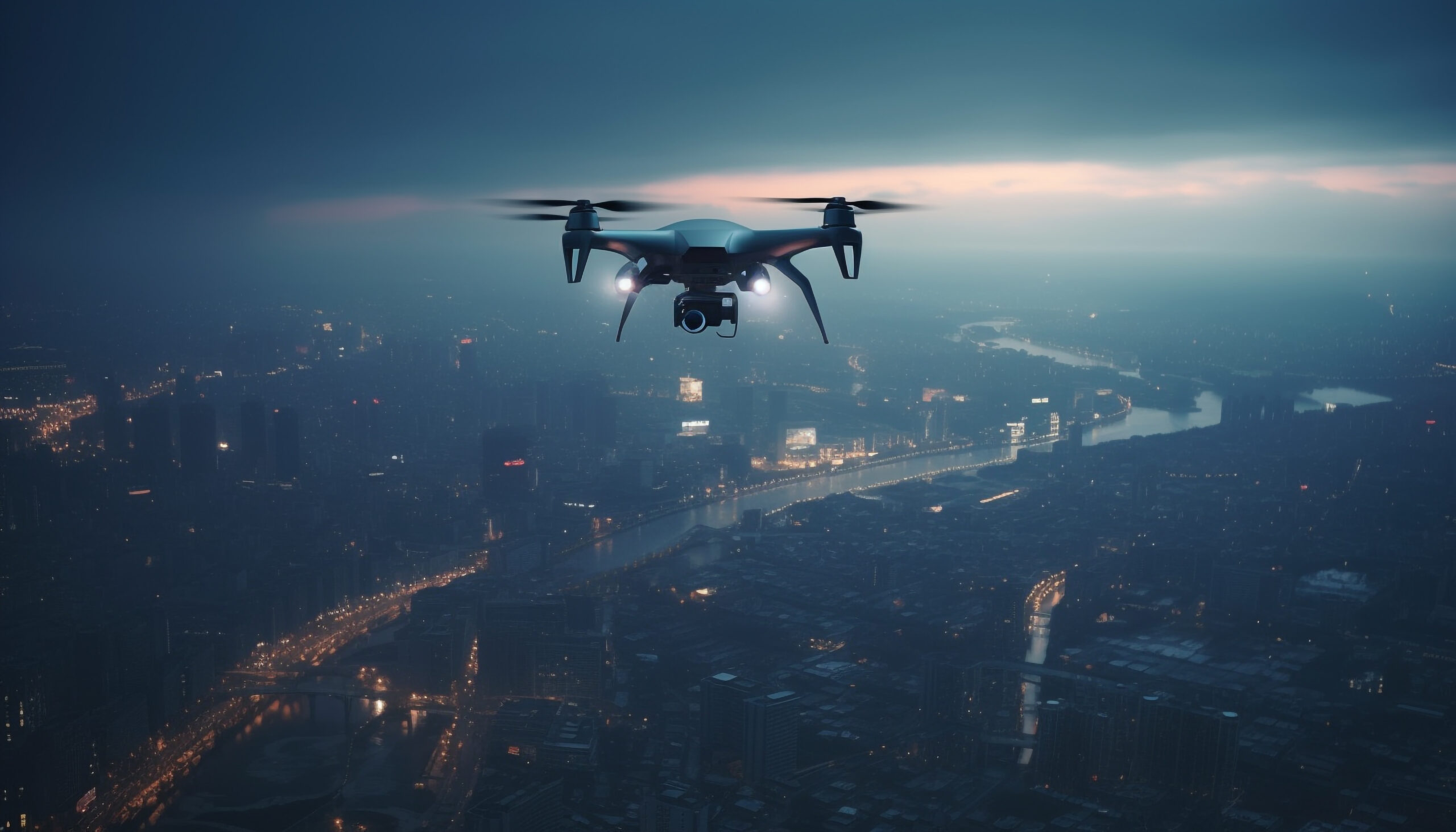
Federal agencies have confiscated more than 700 drones from operators violating restricted airspace around FIFA World Cup 2026 stadiums and fan zones since the tournament began on June 11, the FBI reported on Thursday. The seizures span all eleven US host cities and have resulted in several arrests, underscoring the scale of enforcement behind what officials have designated strict “No Drone Zones” for the duration of the competition. On match days, all aircraft operations, including drones, are prohibited within a three nautical mile radius and up to 3,000 feet above ground level around stadiums unless specifically authorized by air traffic controllers. At fan gatherings, the restricted zone shrinks to one nautical mile and 1,000 feet, but the penalties remain severe, operators face fines up to $100,000, criminal charges, and confiscation of their equipment.
The enforcement push is coordinated through the Federal Aviation Administration’s Drone Expedited and Targeted Enforcement Response (DETER) initiative, launched specifically to accelerate identification and prosecution of airspace violations at major events. FBI teams equipped with detection and mitigation technology are stationed around venues to track unauthorized drones and, when necessary, disable them. FAA Administrator Bryan Bedford said the volume of seizures demonstrates that the government “can actually identify the users and identify people who are in airspace where they’re not supposed to be.” The agency has imposed dozens of temporary flight restrictions across host cities and is now eyeing a broader expansion of drone control, proposing to allow operators of critical infrastructure, power plants, utilities, and other sensitive sites, to petition for permanent airspace restrictions over their facilities.
The World Cup crackdown reflects a growing federal preoccupation with drone incursions that extends well beyond sports. The FAA receives more than 100 reports of drones near airports each month, and unauthorized flights over major events have triggered prosecutions before. In 2025, a man pleaded guilty to violating defense airspace by flying a drone over an NFL playoff game in Baltimore. While commercial drone operators can seek DHS authorization for legitimate operations within restricted zones, the process requires advance coordination, a hurdle that many casual or uninformed operators fail to clear. With the World Cup final approaching on July 19 and enforcement teams remaining on high alert, the message from federal authorities is clear cut, the skies above the tournament belong to law enforcement, not hobbyists.