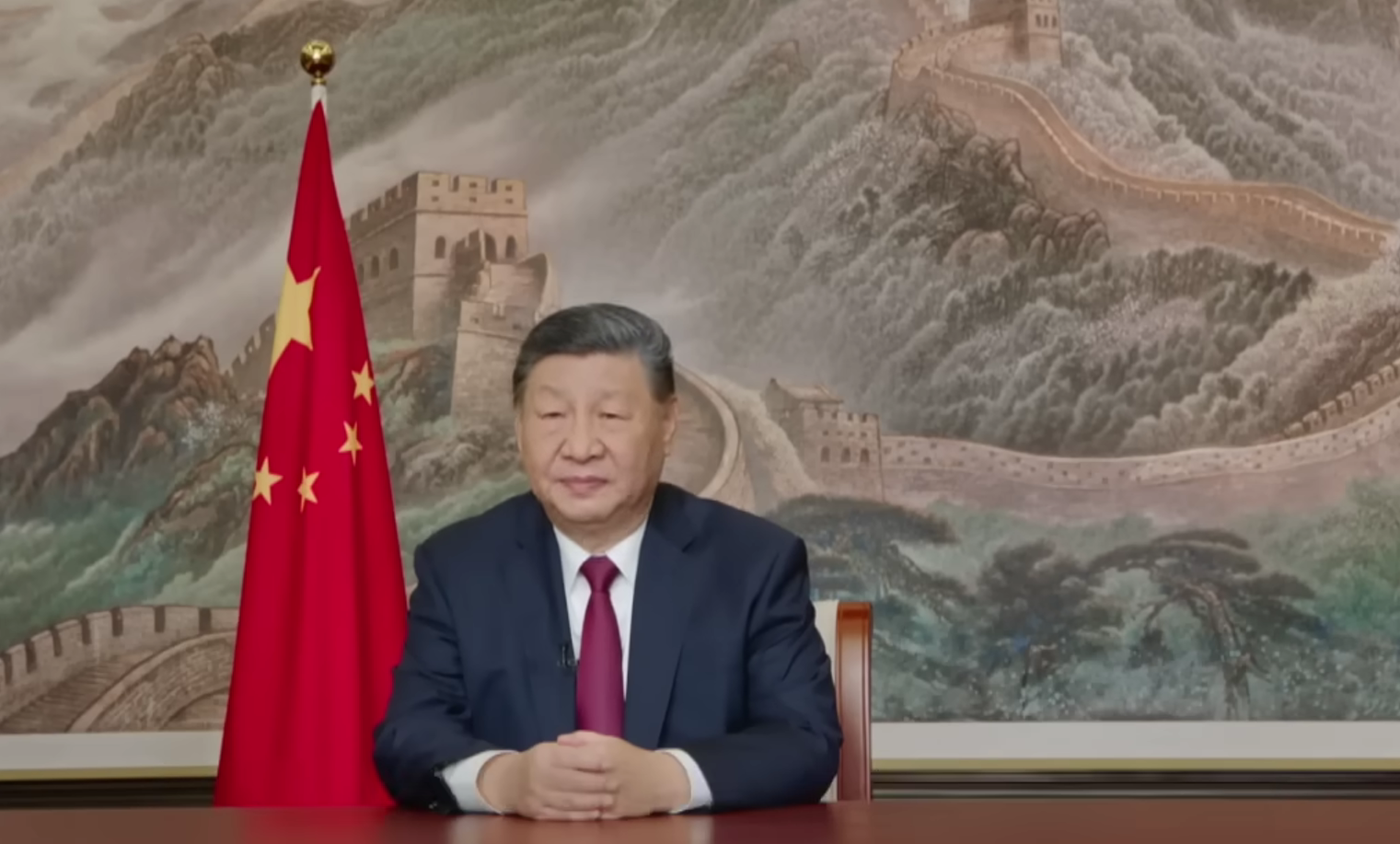
Chinese President Xi Jinping has outlined an ambitious vision for China’s role in shaping the future of artificial intelligence, presenting Beijing as a champion of open source AI, international cooperation, and global technology governance. Speaking at the World Artificial Intelligence Conference (WAIC) in Shanghai, Xi called on nations to work together to ensure AI benefits all countries while positioning China as an alternative leader in a rapidly evolving technological landscape traditionally dominated by the United States.
In his keynote address, Xi described artificial intelligence as a transformative innovation comparable to the Industrial Revolution and the advent of electricity. He pledged to expand China’s AI partnerships with developing nations by providing technical expertise, training programs, and research cooperation, particularly through organizations such as BRICS, ASEAN, the African Union, and Latin American partners. Xi also emphasized the importance of keeping AI under human control, urging the international community to establish common safety standards, early warning systems, and emergency response mechanisms to manage the risks associated with increasingly advanced AI technologies.
The conference also highlighted China’s growing technological capabilities. Several Chinese technology companies showcased new open source AI models designed to compete with leading systems developed by U.S. firms. At the same time, Beijing officially promoted the newly established World AI Cooperation Organisation (WAICO), which has already attracted participation from 29 countries. Chinese officials described the organization as a platform for expanding international collaboration and giving developing nations a greater voice in shaping global AI standards and governance.
Xi’s announcement comes as competition between China and the United States over artificial intelligence continues to intensify. While Washington has focused on securing advanced AI technologies, export controls, and strategic partnerships with allied nations, Beijing has increasingly promoted open source AI as a way to broaden global access and strengthen cooperation with emerging economies. The differing approaches reflect a wider geopolitical competition over technological leadership, digital infrastructure, and the rules that will govern AI development in the coming decades.
As artificial intelligence becomes one of the defining technologies of the 21st century, the race is expanding beyond innovation alone to include international influence, regulation, and economic partnerships. China’s latest initiative signals its intention to play a leading role in shaping the future global AI ecosystem, setting the stage for continued competition, and potential cooperation, between the world’s two largest economies as they seek to define the next generation of technological governance.