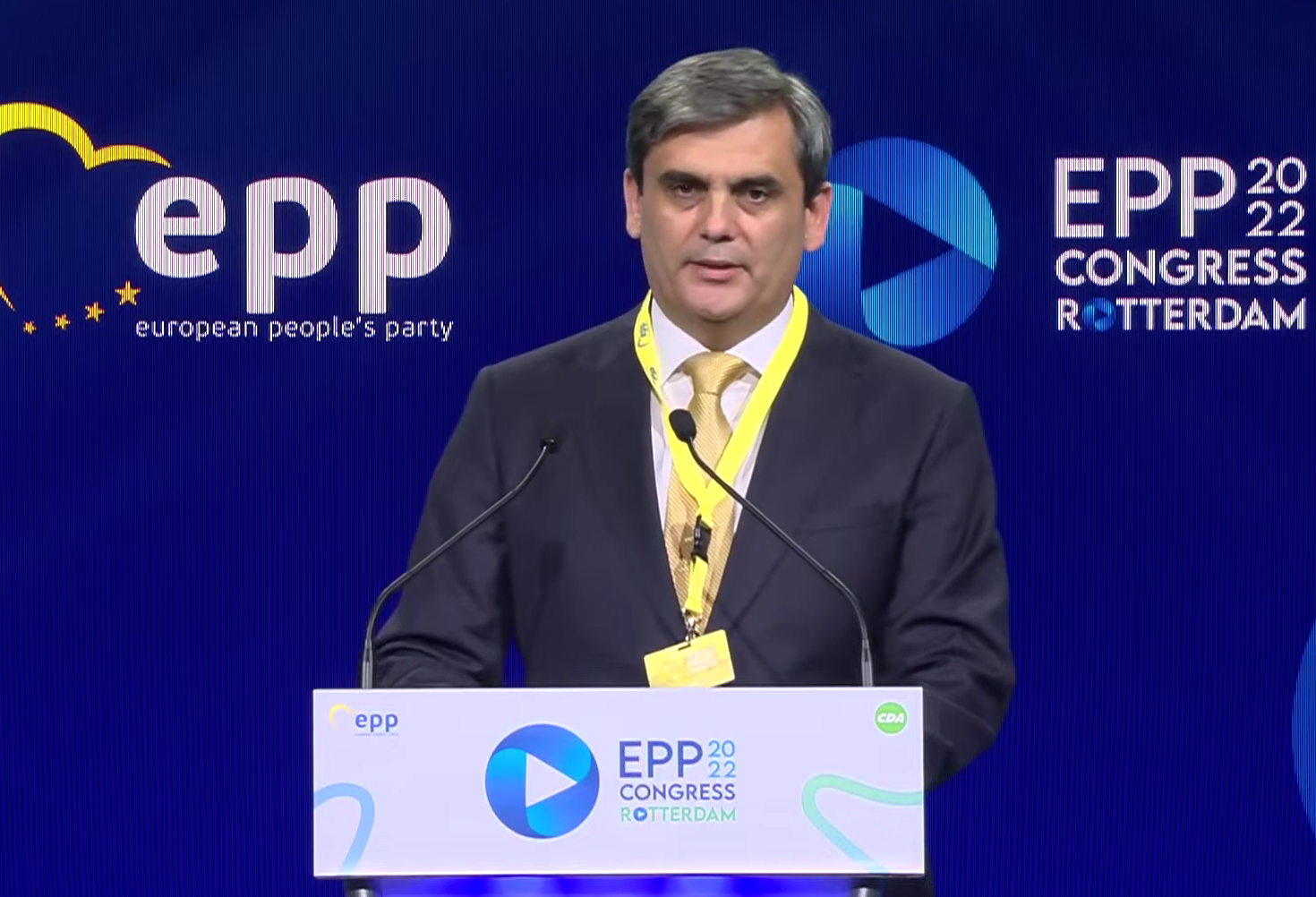
Montenegrin Foreign Minister Ervin Ibrahimović joined more than seventy delegations in Washington this week for a US led ministerial on the “resurgence of political terrorism,” using the platform to frame strengthening international cooperation as essential to both counterterrorism and his country’s European future. The gathering, convened by Secretary of State Marco Rubio, focused on what the Trump administration describes as transnational far left networks, though critics note the framework has unsettled allies who see the threat as narrower than Washington portrays. Ibrahimović, who also serves as Deputy Prime Minister, emphasized that political terrorism is evolving through connections with extremist networks, illicit financing, online radicalization, and hybrid cyber activities, all tools that foreign malign actors are deploying against Montenegro’s institutions and democratic processes.
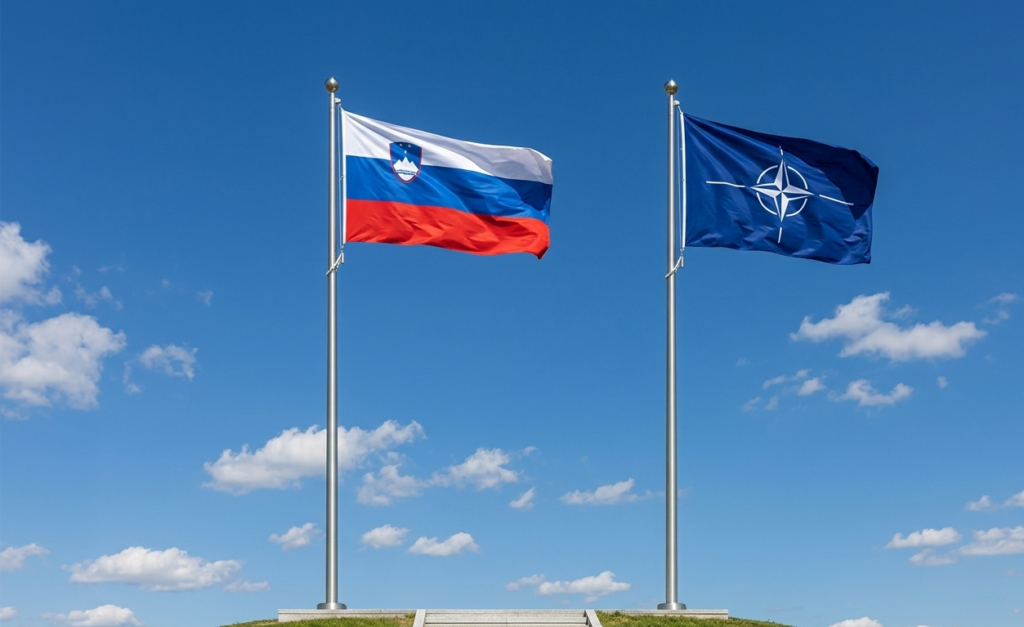
For Montenegro, the stakes are immediate and existential. Ibrahimović warned that political, religious, and ethnic divisions in the Western Balkans continue to provide fertile ground for destabilization, slowing European and Euro Atlantic integration and undermining democratic processes. He specifically highlighted intensifying attempts by foreign actors to weaken institutions, cause instability, and reduce citizens’ trust in Montenegro’s European future through disinformation, hybrid activities, and media narrative manipulation. As a NATO ally since 2017, Montenegro sees its contribution to collective security through institutional resilience, intelligence cooperation, critical infrastructure protection, and joint action against extremist financing. The country is in the final phase of EU accession negotiations, with a stated goal of completing the process by the end of this year and becoming a full member by 2028, a timeline that makes any erosion of democratic stability particularly dangerous.
The ministerial itself has drawn controversy. The State Department expanded invitations beyond the initial sixty countries due to “overwhelming interest,” but some European officials have recoiled at the framing. A 2025 CSIS analysis found that while left wing violence in the US has increased, it “has risen from very low levels and remains much lower than historical levels of violence carried out by right wing and jihadist attackers.” The ACLU has accused the administration of targeting peaceful activists under the guise of counterterrorism. During the ministerial, Deputy Chief of Staff Stephen Miller framed left wing political terrorism as seeking “the overthrow of our system and form of government,” while Treasury Secretary Scott Bessent outlined financial warfare tools including “defunding, debanking, arresting, and prosecuting” suspects. Ibrahimović, navigating these polarized waters, struck a measured tone, stressing that terrorism thrives where institutions are weak, societies divided, and international cooperation insufficient. He also met with the Heritage Foundation’s Max Primorac to discuss regional security and geopolitical challenges, underscoring Montenegro’s effort to maintain productive ties across the American political spectrum as it pursues EU membership.