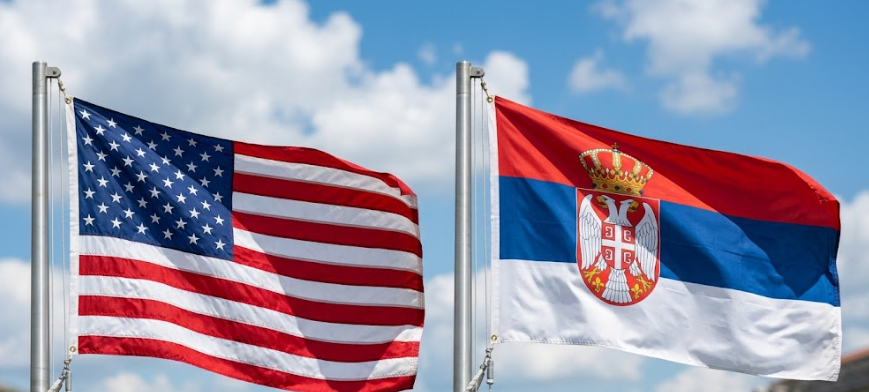
The United States and the Republic of Serbia have officially elevated their bilateral relations to a much higher level by establishing a formal Strategic Dialogue. This new framework for cooperation aims to substantially deepen political, economic, and security ties between Washington and Belgrade in the coming years. The official launch of the Strategic Dialogue took place during the first high-level meeting held in Washington. This landmark event was led by US Secretary of State Marco Rubio and Serbian Foreign Minister Marko Djuric. This meeting marks the beginning of a completely new phase in diplomatic relations between the two countries.
The new strategic agreement is not just a protocol, but covers several specific areas that are vital for the stability and development of the region. Both sides placed special emphasis on cooperation in the field of energy. The priority in this sector is to reduce dependence on traditional energy sources through investments in renewable energy sources and support for new infrastructure projects that will enable a more stable supply of electricity and gas.
In addition to energy, the partnership envisages more intensive military cooperation in the field of defense and security. This includes organizing joint tactical exercises and regular sharing of security information in order to more effectively combat modern threats and preserve regional peace in the Balkans. The focus of the talks was also the development of modern digital infrastructure in the field of telecommunications and high technology. The two countries agreed to work on strengthening cybersecurity and implementing secure 5G networks, relying exclusively on proven and reliable partners from the global technology industry.
According to the joint statement issued after the meeting, the two countries firmly stand behind the intention to build a long-term and sustainable partnership. For Serbia, this represents a serious diplomatic breakthrough and strengthening its economic and political position on the international stage. On the other hand, for the United States, this step is a confirmation of their continued and intensified engagement in the Western Balkans, in order to ensure long-term stability, development, and full integration of the region into modern Western trends.