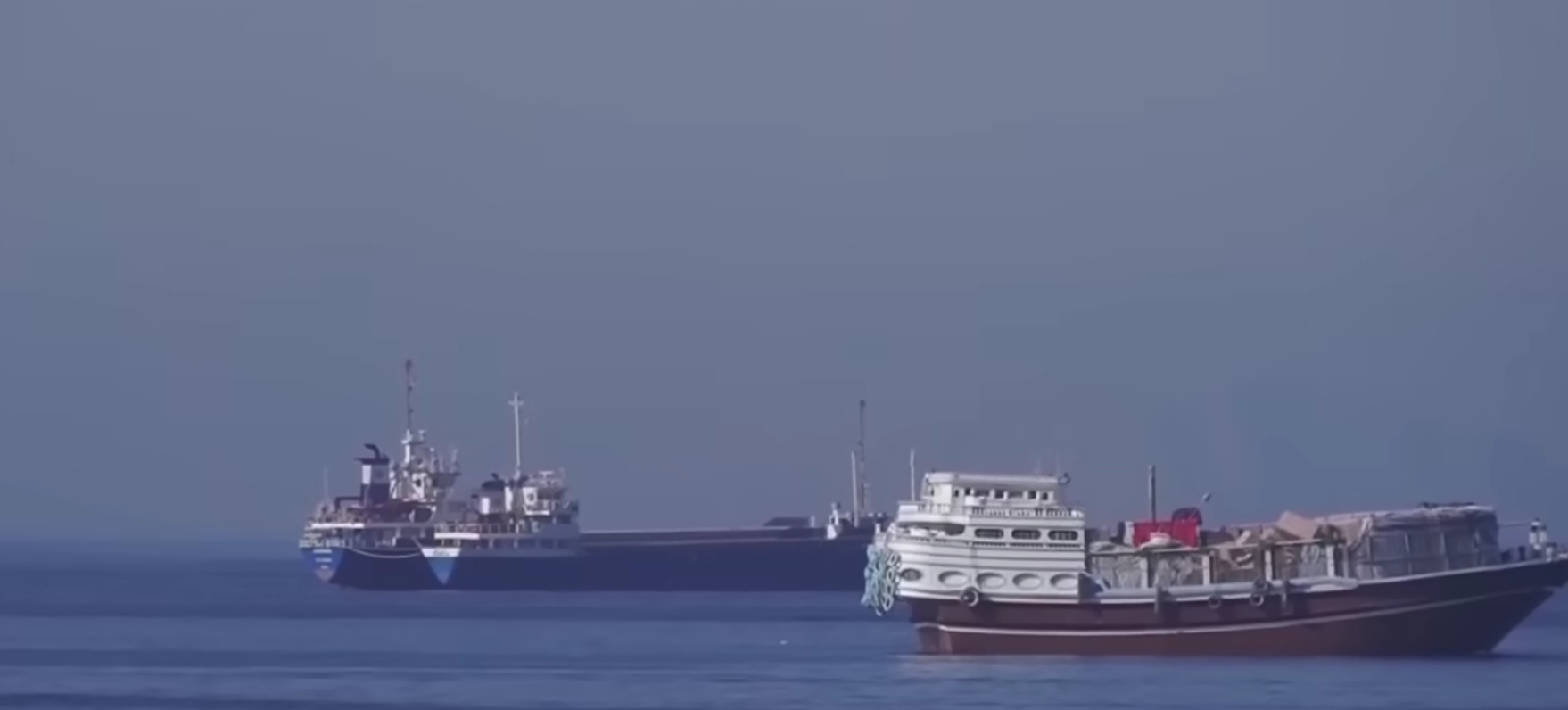
American forces struck Iran for a ninth consecutive night on Monday as the Middle East crisis deepened, with Tehran’s Revolutionary Guards claiming two oil tankers exploded in the Strait of Hormuz and warning the waterway would remain unsafe until US “aggression” ends. The Guards said the vessels were “deceived by American intelligence agencies” into entering a mined corridor, a claim US Central Command dismissed as false. The incidents came as Iran launched ballistic missiles at US assets in Jordan, Kuwait, and Syria, while sirens blared in Bahrain and Kuwait reported intercepting hostile drones. Oil prices surged past $90 per barrel on the news, extending last week’s 15.9% rally.
The human toll of the conflict is climbing on both sides. The latest US casualty, a soldier killed in northern Iraq during a controlled detonation of unexploded ordnance from a downed Iranian drone, brought the official American death toll to 17, with more than 420 wounded. Two additional service members were killed in Jordan on July 17, and a third remains missing in action. Iranian state media reported explosions in Tabriz, Chabahar, Konarak, Bandar Mahshahr, and Bandar Imam Khomeini from US strikes early Monday. Kuwait’s government said a desalination plant was attacked for the second consecutive day, calling it a direct strike on vital civilian infrastructure. The conflict, which began with US-Israeli attacks on February 28 targeting Iran’s nuclear and missile programs, has killed thousands, mostly in Iran and Lebanon.
Secretary of State Marco Rubio insisted the US would continue targeting Iran while it attacks commercial shipping, framing the strikes as defense of international waterways. “The Strait of Hormuz are international waterways, and they continue to launch against the ships in that international waterway,” he said, adding that Washington “always remains open to a diplomatic solution.” Yet diplomacy appears distant. The interim ceasefire agreed under Pakistani mediation last month has unraveled, with both sides accusing each other of violations. Four vessels transited Hormuz on Sunday, down from eight the previous day, according to LSEG data, a fraction of the roughly 88 daily transits before the war. With inventories at their tightest in five years and analysts warning markets remain “too complacent” about the fallout, the confrontation shows no sign of de escalation. The coming days, Barclays warned, will reveal whether oil exports from the region can be sustained under what has become a dual blockade, American on Iranian ports, Iranian on the strait itself.