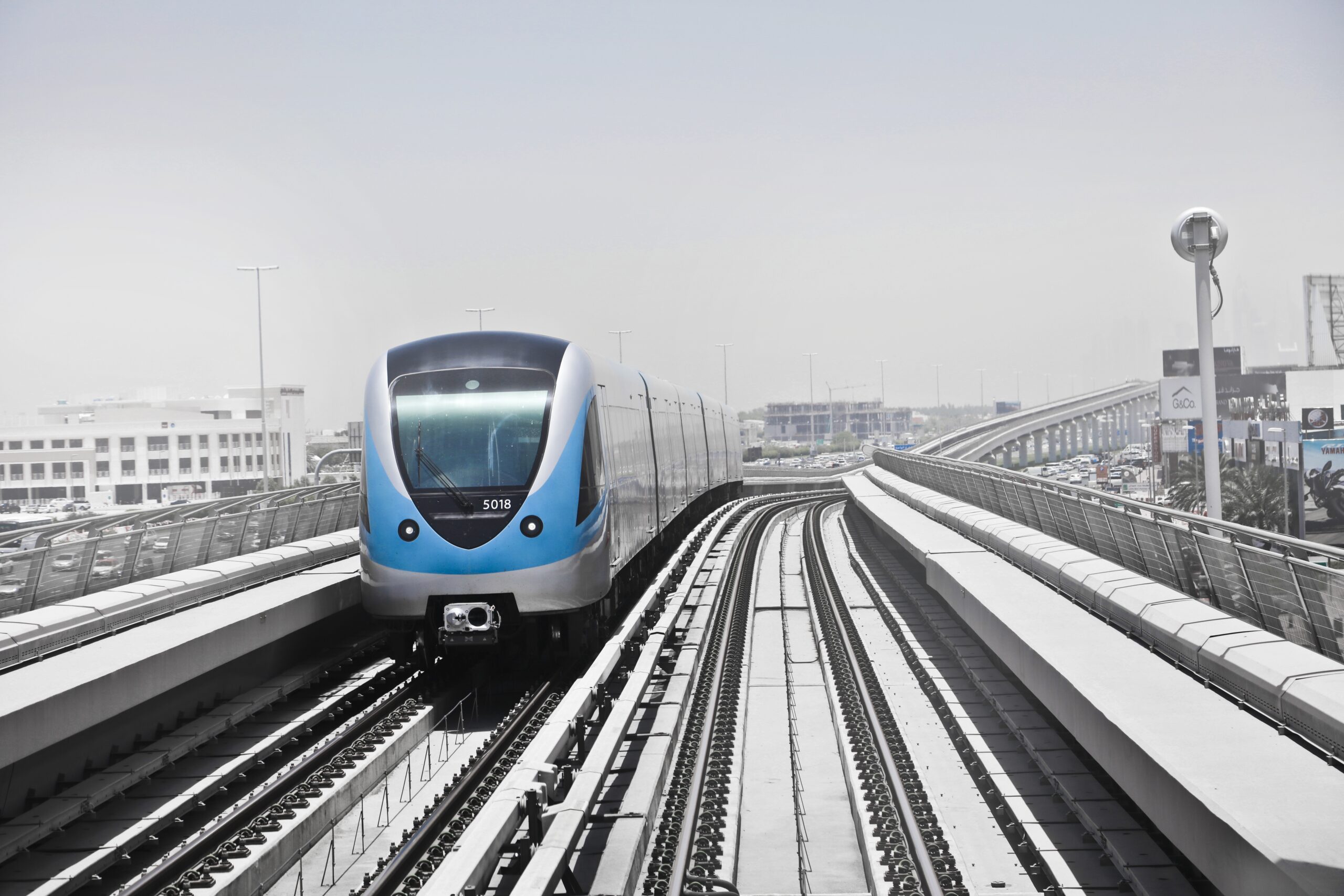
Serbia is opening a customs and border control checkpoint at Belgrade’s Prokop central railway station, clearing the final logistical hurdle for the launch of direct high speed train services to Budapest and Vienna. The new arrangement, announced by the government, will see Serbian border and customs checks completed at Prokop before departure for two daily non stop express services, while Hungarian authorities will conduct their checks during the journey. The move comes as the Belgrade–Budapest high speed railway, a flagship joint project with Hungary, approaches full passenger operation after years of construction and repeated delays.
The 350 kilometer railway line is one of the most significant infrastructure investments in the region and a cornerstone of China’s Belt and Road Initiative in Europe. The Serbian section, spanning 184 kilometers, has been built in three phases, the Belgrade,Stara Pazova segment opened in March 2021, the Belgrade, Novi Sad section launched in March 2022, and the Novi Sad, Subotica stretch finally opened for passenger traffic in October 2025 after delays caused by the tragic canopy collapse at Novi Sad station that claimed 16 lives. The Hungarian section, approximately 166 kilometers, has faced its own challenges but is expected to be completed in 2026. When fully operational, the line will cut travel time between the two capitals from over eight hours to roughly two hours and 40 minutes, with trains reaching speeds of up to 200 km/h on the Serbian side and 160 km/h in Hungary.
Under the planned 2026/27 timetable, Srbijavoz will operate eight pairs of trains daily between Belgrade and Budapest, but only two will be non stop express services using the new border control arrangement at Prokop. The remaining trains will continue to serve intermediate stations including Novi Sad, Vrbas, and Bačka Topola. The draft schedule also marks the return of two legendary EuroCity services, the EC Avala and EC Ivo Andrić, which will connect Belgrade, Budapest, and Vienna in a single journey of just over seven hours. A one way ticket is expected to cost approximately €25. For Serbia, the customs checkpoint at Prokop is a practical solution to a persistent problem, how to maintain border controls without sacrificing the speed advantage that makes rail competitive with air and road travel.
The broader significance of the line extends beyond tourism and passenger convenience. The railway is designed to handle both passengers and freight, and its strategic value lies in creating a faster corridor for Chinese goods entering Europe through Greek ports and heading toward Western European markets. Hungary, in particular, has positioned itself to become a regional logistics hub. The project has not been without controversy, critics have questioned its economic viability, and the total cost has ballooned to approximately $3.6 billion for the Hungarian section alone, funded largely by Chinese loans. But for Serbia, the symbolic weight is equally important. President Aleksandar Vučić has called the railway “an eternal symbol of friendship and partnership” between Serbia and Hungary, and its completion represents a tangible demonstration of Serbia’s integration into European transport networks despite its non EU status.
Whether the new service lives up to its promise depends on the final completion of the Hungarian section and the smooth functioning of the border arrangements. The customs checkpoint at Prokop is a small but telling detail, it shows that Serbia is thinking not just about building tracks, but about the practical realities of cross border travel in a region where borders still matter. If the timetable holds, the EC Avala and EC Ivo Andrić will once again link three European capitals by rail, a connection that has been broken for too long. For a country that has invested heavily in becoming a transport hub, the trains cannot come soon enough.