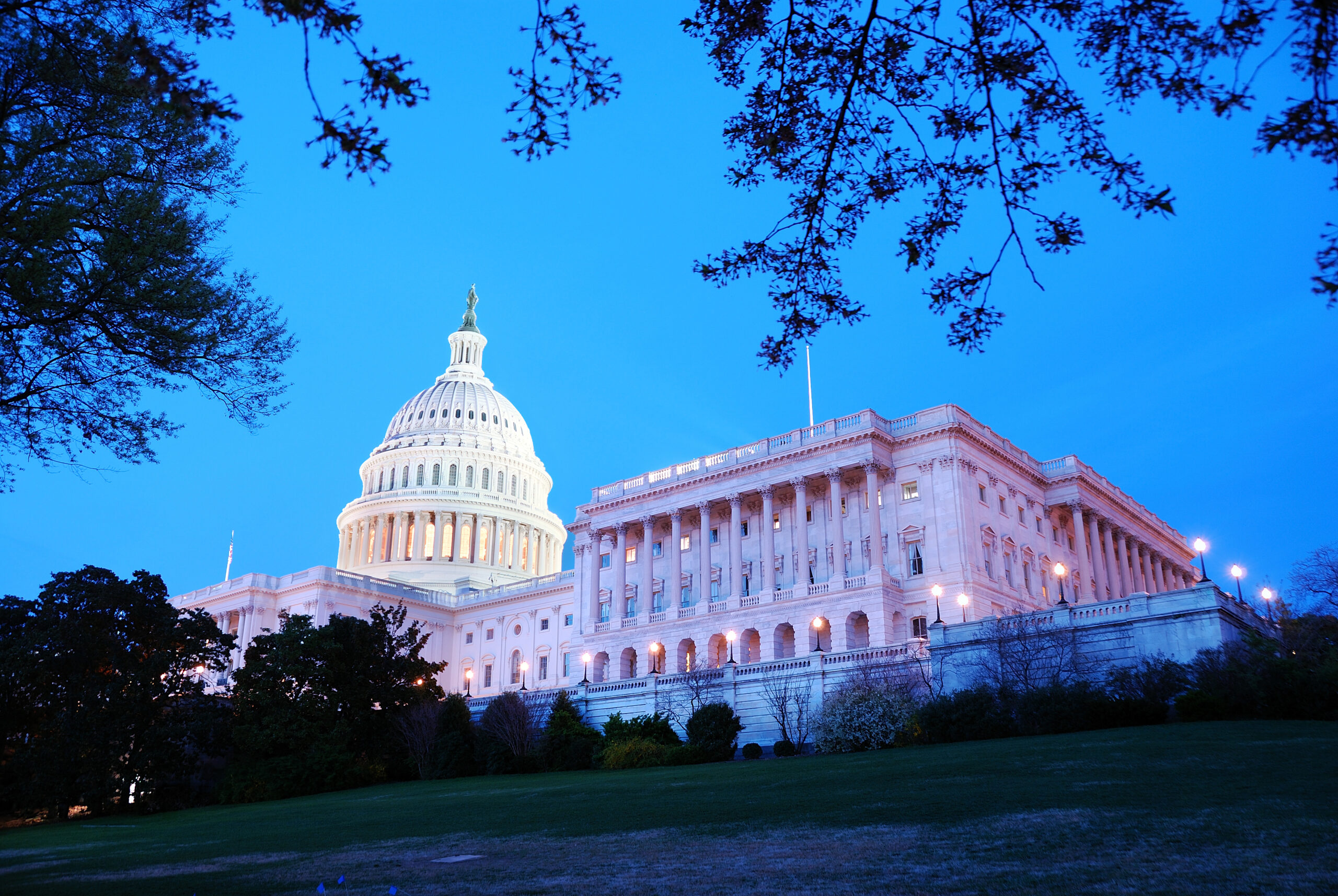
The U.S. House of Representatives has approved a short term funding measure aimed at preventing a federal government shutdown ahead of the November midterm elections. The Republican led chamber passed the temporary spending bill, known as a continuing resolution, which would keep federal agencies operating through December 4. The measure now moves to the Senate, where lawmakers must reach an agreement before current government funding expires at the end of September.
The legislation is designed to provide additional time for Congress to negotiate a longer term federal spending agreement. Without action, funding for most government agencies would run out at midnight on September 30, potentially forcing parts of the federal government to shut down. A shutdown could affect government services, federal employees, and programs that rely on annual congressional funding.
Republican leaders in the Senate are working on their own version of a short term funding proposal while negotiating with Democrats. The temporary measure reflects a common approach used by Congress when lawmakers cannot agree on a full budget before the fiscal year deadline. By extending funding for several weeks, lawmakers hope to avoid immediate disruptions while continuing discussions over broader spending priorities.
The vote comes at a politically sensitive moment, with lawmakers preparing for the November midterm elections. Government funding battles have often become points of political conflict, as both parties attempt to influence spending decisions and highlight differences over federal priorities. The short term agreement allows Congress to avoid a shutdown crisis before voters head to the polls, but it does not resolve the larger disagreements surrounding government spending.
Previous government shutdown threats have shown the potential consequences of failing to reach a funding agreement. While essential services typically continue, many federal employees can face delayed pay, and some government operations may be reduced or temporarily suspended. Businesses and communities that depend on federal programs can also experience uncertainty during prolonged funding disputes.
The House vote represents an important step toward keeping the government open, but the final outcome depends on whether the Senate approves a similar measure and whether President Donald Trump signs the legislation into law. With the deadline approaching, lawmakers have limited time to finalize an agreement and prevent a disruption of federal operations.
The temporary funding bill provides Congress with additional breathing room, but the broader debate over federal spending remains unresolved. As lawmakers move closer to the election season, the coming weeks are expected to bring renewed negotiations over budget priorities, government programs, and the future direction of federal spending.