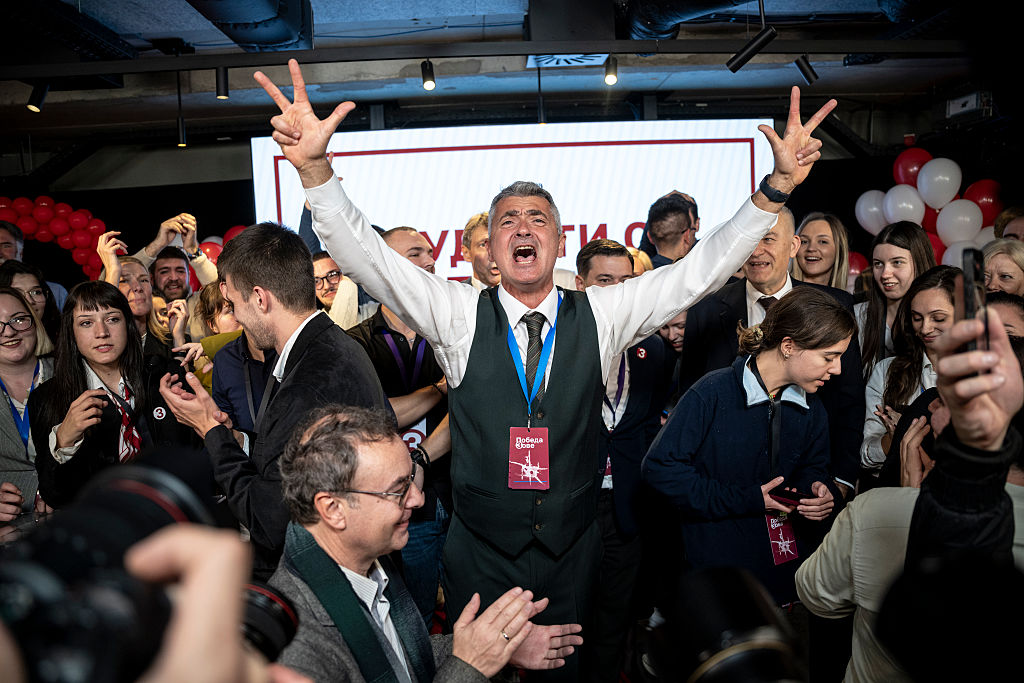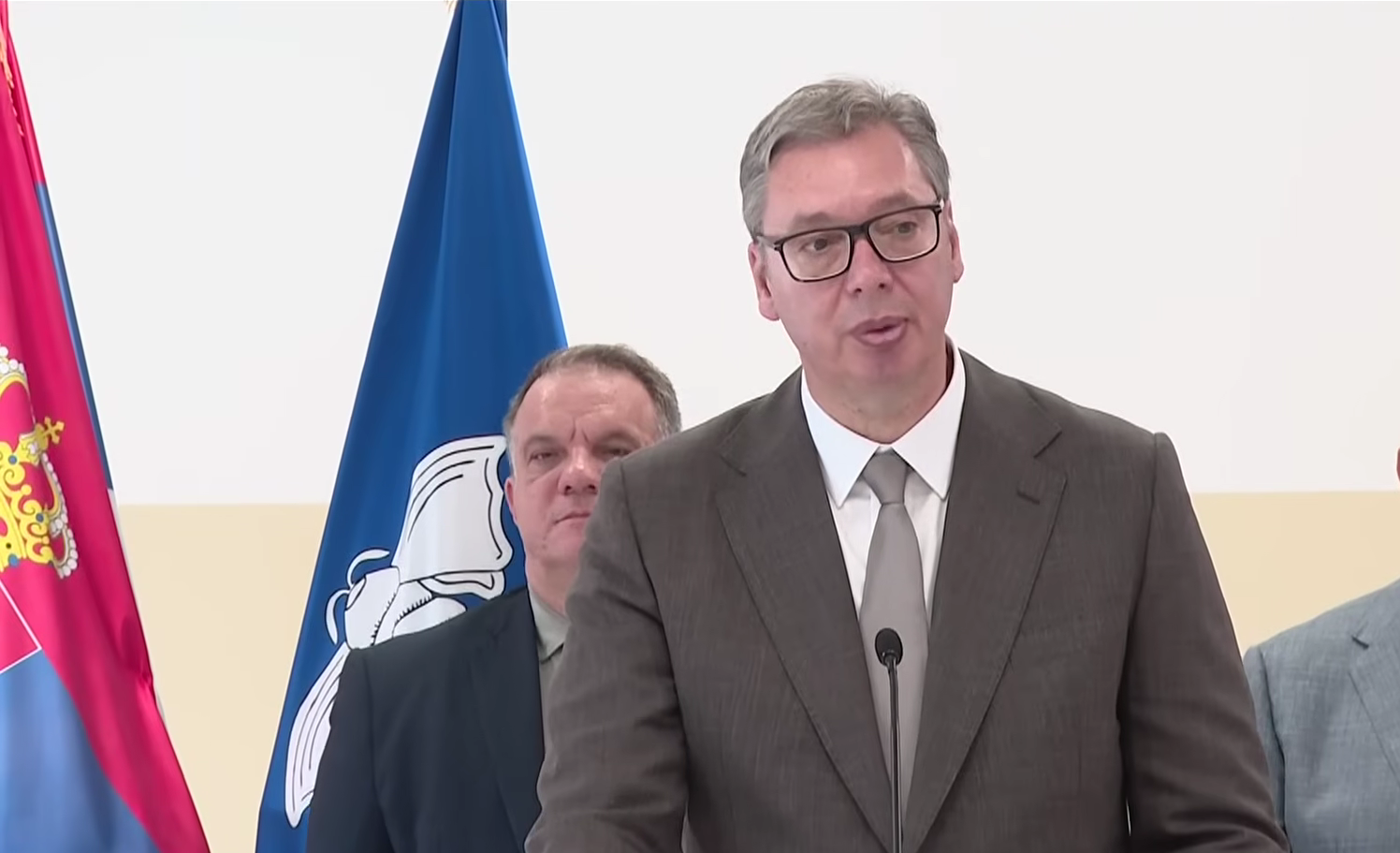
Serbian President Aleksandar Vučić has responded to opposition criticism comparing him to Vladimir Putin by citing a different model, Bulgarian President Rumen Radev, who resigned in January 2026 and was elected prime minister in May after his Progressive Bulgaria party won an absolute majority. Vučić acknowledged that Serbian law would allow him to become prime minister immediately if he secured a parliamentary majority, but insisted he would only do so after winning a popular mandate in elections. “There is a legal possibility for the National Assembly to elect me as prime minister if I have a majority, but I will not do that. I will not take a position for which I have not received support from the people,” he stated.
Vučić outlined a specific sequence, first, Prime Minister Đuro Macut’s government would resign, then parliamentary elections would be called, only afterward would Vučić step down as president and seek a prime ministerial mandate from voters. He would remain president briefly to “finish important state obligations,” including a possible appearance at the UN General Assembly in New York, before resigning and joining the “United Serbia” coalition’s electoral list. The timeline is politically significant. Vučić’s allies are reportedly counting on a boost from EXPO 2027, scheduled from May 15 to August 15, 2027, suggesting elections may be held immediately after the exhibition concludes. If his coalition wins, the next government would be a coalition cabinet, allowing Vučić to deflect at least some criticism from Brussels onto his partners.
The comparison to Radev is apt but incomplete. Radev, a former fighter pilot with no prior party affiliation, resigned from Bulgaria’s largely ceremonial presidency to lead a populist anti corruption movement that scored a landslide victory, ending five years of political instability. He became the first person in Bulgarian history to serve as both president and prime minister. Vučić, by contrast, has dominated Serbian politics since 2012, first as prime minister and since 2017 as president, creating what Freedom House describes as a “de facto presidential system” where the executive controls the legislative process and opposition lawmakers are systematically sidelined. His move from the premiership to the presidency in 2017 already raised concerns about the personalization of governance, a return to the prime minister’s office would complete the circle.
The immediate obstacle is procedural. In April 2026, opposition MPs initiated a no confidence vote against Macut’s government, citing the “General Staff affair” and alleged illegal decisions regarding building protection. The session was suspended and has not resumed. Under current interpretations, parliament cannot be dissolved and new elections called until that procedure concludes, though Macut retains the right to resign at any time. Opposition leader Borko Stefanović of the Party of Freedom and Justice assessed that Vučić’s political career is approaching its end, citing opinion polls, though he cautioned that surveys in 2023 failed to predict election results accurately. Zdravko Ponoš of the Serbian Centre posted a possible political timeline on X, suggesting Vučić could attend the UN General Assembly, then resign, join an electoral list, and contest parliamentary elections.
Whether Vučić’s strategy succeeds depends on whether he can maintain his ruling coalition’s dominance amid sustained anti government protests that have continued for a year and a half since the deadly Novi Sad station canopy collapse in November 2024. The European Commission has already penalized Serbia over controversial judicial reforms by freezing EU Growth Plan funds, and calls are growing within the EU for stronger pressure on Belgrade, particularly to align with the Union’s common foreign and security policy. Orbán’s defeat in Hungary removed a key shield for Vučić, accelerating his plans for a power transfer. For now, the president insists he will not bypass the ballot box. But in a political system where he has already blurred every constitutional boundary, his promise to seek “support from the people” may be less a democratic commitment than a tactical pause before the next move.