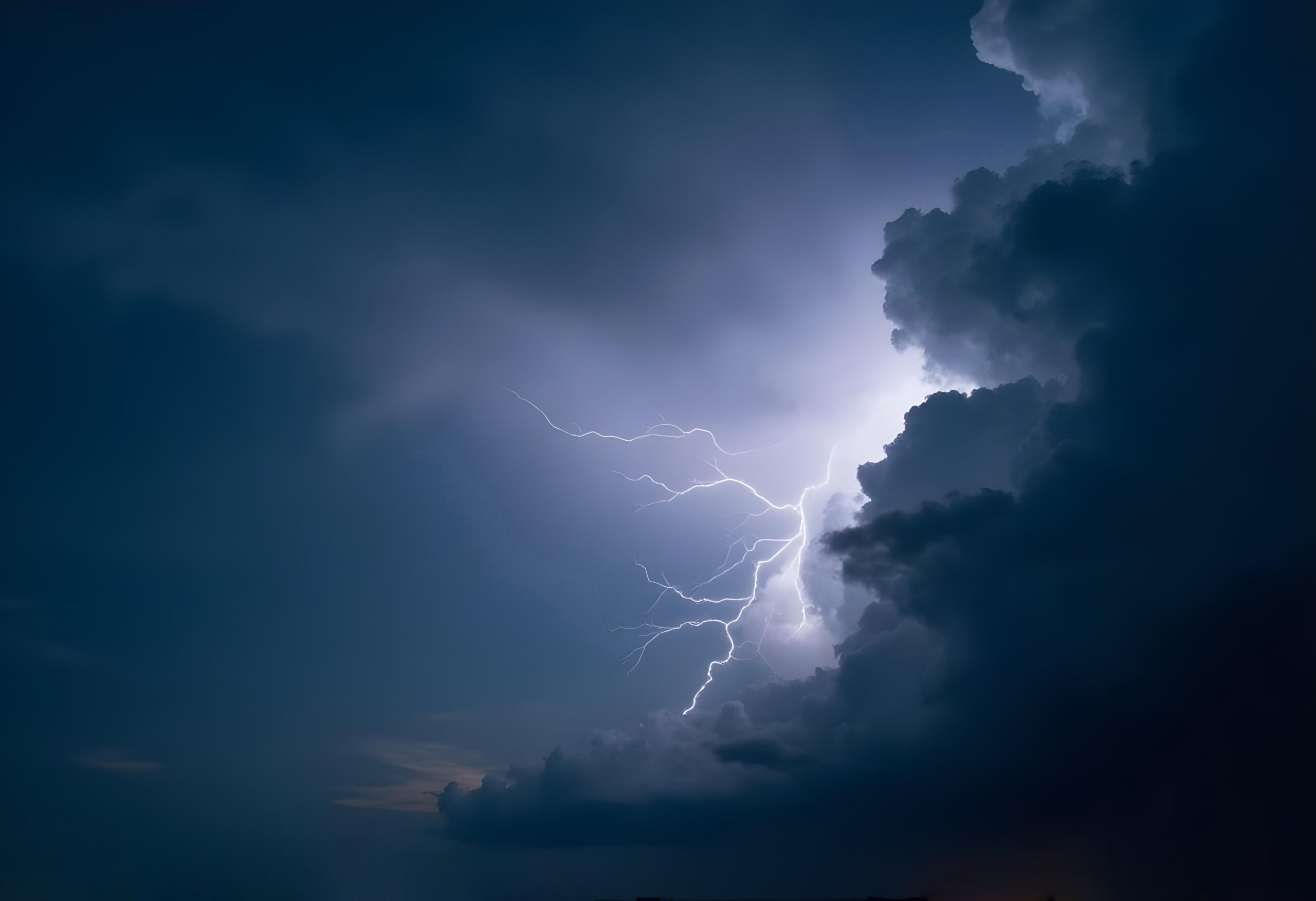
Tropical Storm Bertha made landfall in Louisiana’s St. Bernard Parish on Wednesday, bringing strong winds and concerns over possible disruptions to energy operations along the U.S. Gulf Coast. The storm weakened after reaching the coastline, but officials warned that its path through Louisiana and Texas could still affect offshore oil production and refining activity in one of the country’s most important energy regions.
According to the National Hurricane Center (NHC), Bertha was located near the Gulf Coast with maximum sustained winds of around 45 miles per hour after making landfall. The storm was expected to move along the Louisiana and upper Texas coasts before heading inland through Texas, with forecasters predicting further weakening over the following days.
The storm’s impact is being closely monitored because the affected region contains major offshore oil and natural gas operations, as well as a large concentration of U.S. refining capacity. The Gulf Coast is home to major energy companies, including BP, Chevron, Shell, and Occidental Petroleum, and plays a critical role in supplying fuel to the United States.
Forecast models from consulting firm Earth Science Associates estimated that Bertha could temporarily disrupt up to 1.5 million barrels of oil production across the Gulf during the storm’s duration. This would represent a significant increase compared with recent storms that caused only limited production losses. The Gulf of Mexico’s federal waters produce nearly 2 million barrels of crude oil per day, accounting for a significant share of total U.S. output.
Several energy companies began taking precautionary measures before the storm reached land. Chevron suspended production at its Petronius offshore facility and evacuated workers from the platform, while BP removed some non essential personnel from its Thunder Horse and Na Kika platforms. Other companies operating in the region continued monitoring conditions and assessing potential risks.
Although Bertha was not expected to become a major hurricane, its arrival highlighted the vulnerability of Gulf Coast energy infrastructure to severe weather events. Offshore platforms, refineries, and transportation networks in the region regularly face disruptions during tropical storms and hurricanes, which can affect fuel supplies and market prices.
As Bertha moves inland and weakens, officials and energy companies will continue tracking its effects on production and infrastructure. While the storm’s overall damage is expected to be limited compared with larger hurricanes, the potential loss of oil output demonstrates the importance of weather preparedness in one of the world’s most critical energy zones.