Tensions across the Middle East have escalated as Yemen’s Iran aligned Houthi movement claimed responsibility for attacks on Saudi oil tankers in the Red Sea, raising concerns about another major threat to global energy supplies. The attacks came as the wider conflict between the United States and Iran continued, with both sides increasing military actions and targeting strategic infrastructure.
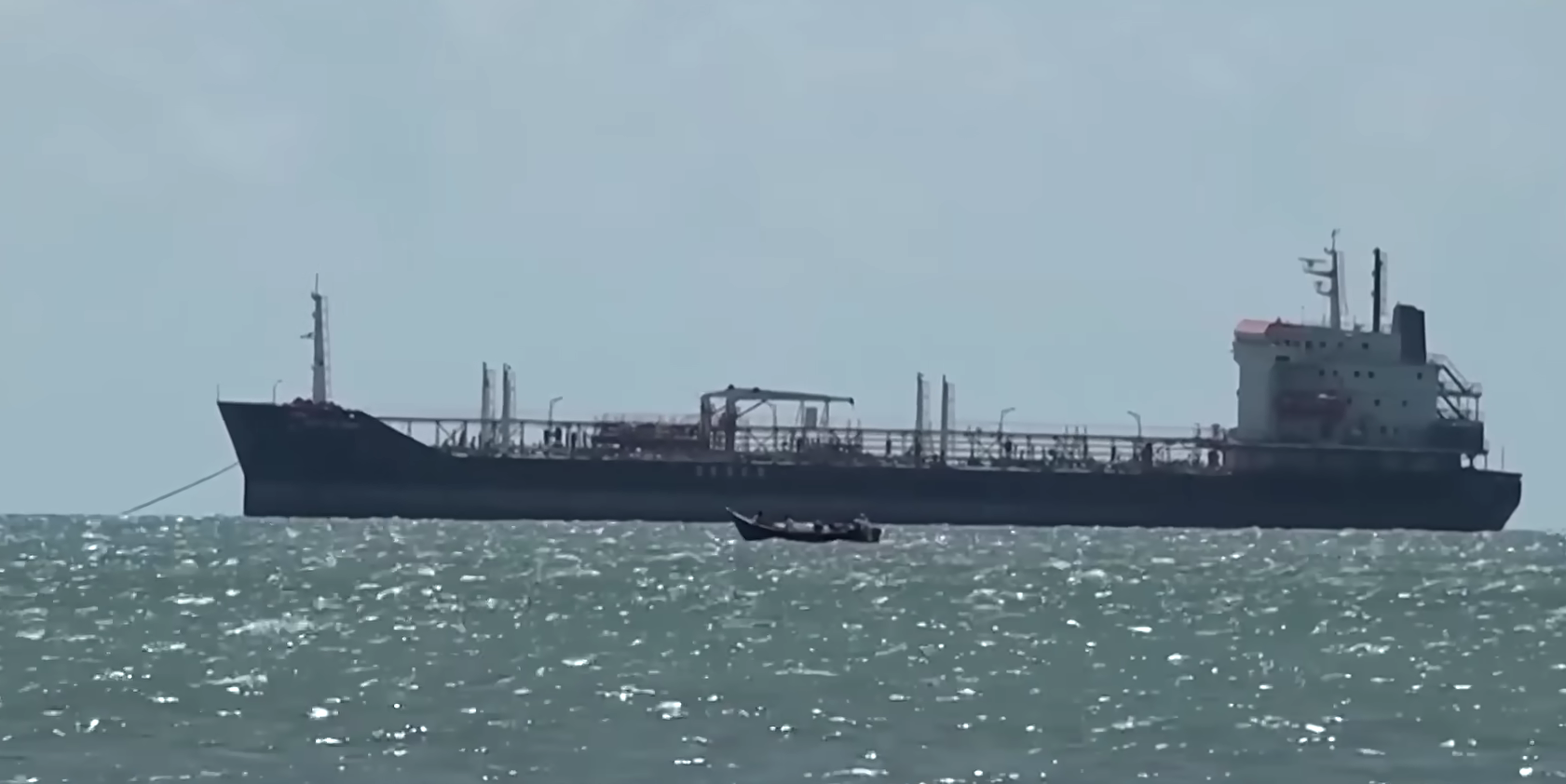
The Houthis said they had launched missile and drone attacks against two Saudi oil tankers, the Encelia and the Layla, as part of what they described as a naval blockade against Saudi Arabia. Saudi officials confirmed that the Encelia was hit and reported a fire on the vessel, while a maritime security source said the ship issued a distress call after being struck near the Saudi port of Jizan. The reported attack on the second tanker has not been independently confirmed.
The Red Sea has become increasingly important for global oil transportation as Iran’s actions near the Strait of Hormuz have already disrupted one of the world’s most critical shipping routes. Millions of barrels of Saudi oil have been redirected through Red Sea ports to avoid the Strait of Hormuz, meaning further disruption around the Bab el Mandeb Strait could create additional delays, higher costs, and pressure on global energy markets.
Several oil tankers have already changed course to avoid the area, with some vessels turning back rather than passing through the Bab el Mandeb Strait. Analysts warn that a prolonged blockade or continued attacks could significantly affect international trade, as the Red Sea route connects major oil producers in the Middle East with markets in Asia and Europe.
The escalation comes as the United States continues military operations against Iran. American forces carried out another round of strikes, while Iran responded by targeting U.S. military positions and warning that it could further restrict energy exports. Tehran has threatened to prevent oil shipments through the Strait of Hormuz if attacks on Iranian infrastructure continue.
The conflict has already created economic pressure worldwide, contributing to higher oil prices and increasing concerns over inflation. The situation has also become a political challenge for the Trump administration as rising fuel costs and continued military involvement draw criticism ahead of upcoming U.S. elections.
The human cost of the conflict continues to grow as well. U.S. officials have reported the deaths of American service members and hundreds of injuries, while Iranian officials have reported civilian casualties from ongoing strikes. Both sides have accused each other of escalating the conflict, while fears remain that attacks on energy infrastructure could widen the war further.
The latest developments show how quickly regional conflicts can threaten global markets and international security. With both the Red Sea and Strait of Hormuz facing growing risks, governments and energy companies are closely monitoring shipping routes as they prepare for possible disruptions to one of the world’s most important energy corridors.