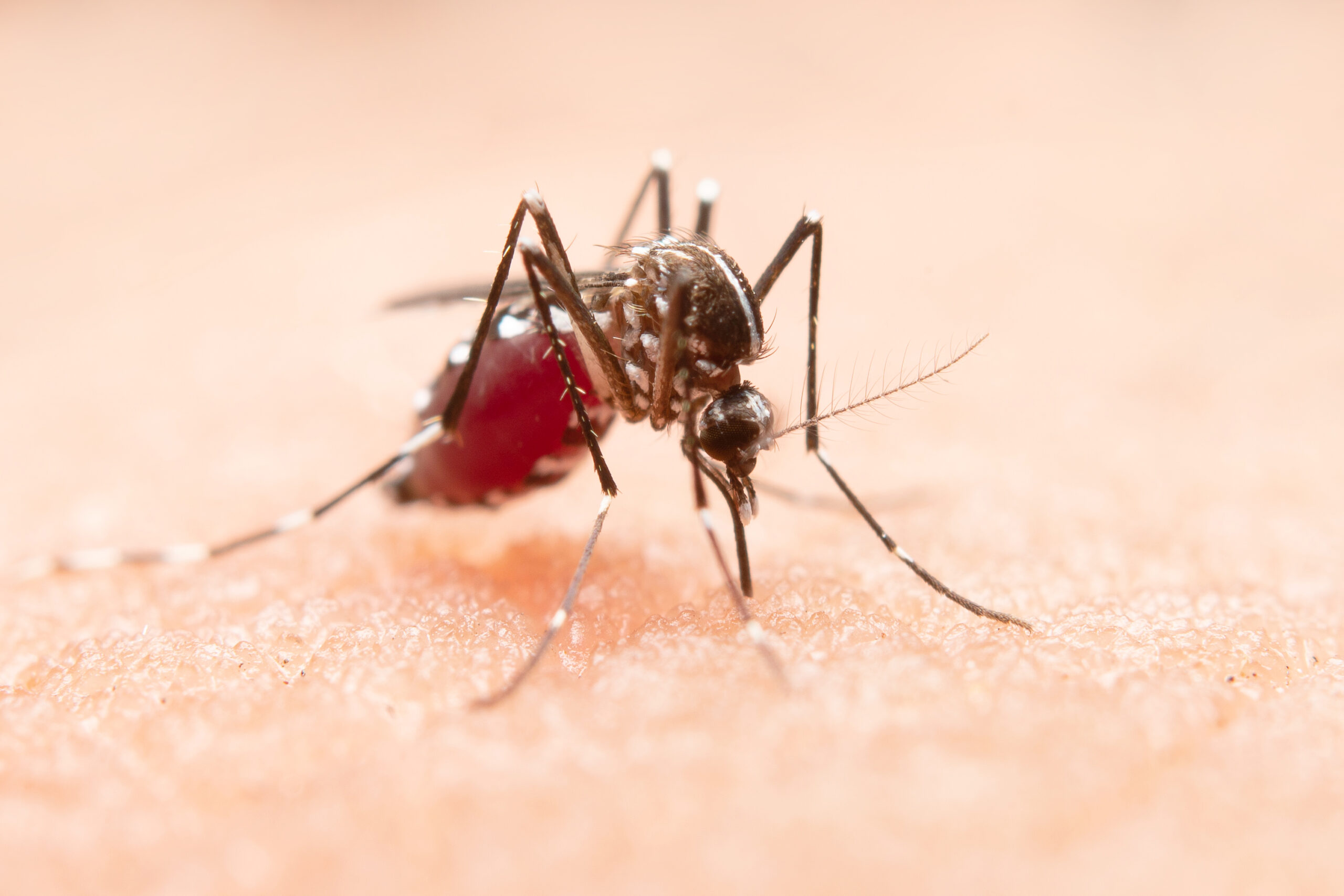
Macedonia has confirmed two locally transmitted cases of the West Nile virus, one in the Skopje region and one in the Vardar region, joining Greece, Italy, Spain, and Romania in a rapidly expanding European outbreak, according to the latest data from the European Centre for Disease Prevention and Control (ECDC). The confirmation marks the country’s entry into this year’s West Nile season, which is currently in full swing across Southern Europe and shows no signs of slowing. Health authorities have issued warnings for citizens to protect themselves from mosquito bites, as the virus spreads primarily through infected Culex mosquitoes that thrive in warm, humid conditions.
The situation in neighboring Greece is particularly alarming and serves as a warning for Macedonia. The Greek National Public Health Organization (EODY) has reported 21 locally acquired cases as of July 22, with 20 patients developing severe neurological complications including encephalitis and meningitis. Thirteen people have been hospitalized, though no deaths have been recorded so far. Fourteen of those cases were reported in just the past week, indicating exponential growth. One additional case involved a person who had traveled to an endemic country abroad, though the exact location of infection remains undetermined. The rapid escalation in Greece, just across Macedonia’s southern border, suggests that Macedonia’s current two cases may be only the beginning of a larger domestic outbreak.
Italy remains the hardest hit country in Europe, with 20 confirmed cases spread across 16 different regions as of July 15. The geographic expansion is striking, 11 of those 16 regions were added to the affected list in just one week, demonstrating the virus’s ability to establish itself in new areas rapidly. Cases are clustered in northern Italy, with three in Novara, two each in Cremona and Verona, and single cases in Milan, Florence, Naples, Padua, Modena, and Ferrara. Spain has reported two cases in Alicante and Seville, while Romania recorded two in Argeș and Suceava. The ECDC publishes weekly reports throughout the summer because transmission is heavily influenced by weather patterns, mosquito populations, and bird migration routes, all unpredictable variables that make forecasting impossible.
For Macedonia, the two confirmed cases represent both a public health challenge and a test of preparedness. The country’s healthcare system, still recovering from decades of underinvestment and political fragmentation, must now mobilize surveillance, diagnostics, and public communication in a race against the virus’s spread. West Nile virus typically causes no symptoms in 80% of infected people, but in severe cases it can lead to encephalitis, meningitis, or flaccid paralysis, with a case fatality rate of roughly 10% among those who develop neuroinvasive disease. There is no vaccine and no specific antiviral treatment, prevention depends entirely on avoiding mosquito bites through repellents, protective clothing, and elimination of standing water where mosquitoes breed. As summer temperatures peak and mosquito activity intensifies, Macedonia’s health authorities face a narrow window to contain the outbreak before it mirrors the explosive growth seen in Greece and Italy.