Macedonia is preparing to modernize its sick leave system for the first time in more than a decade, with officials reviewing policies used in neighboring Serbia and Slovenia as they consider changes aimed at improving oversight and simplifying the process for workers and employers.
Health Minister Sašo Klekovski said the current regulations have remained largely unchanged since 2012, making an overhaul necessary to better reflect today’s healthcare system and labor market.
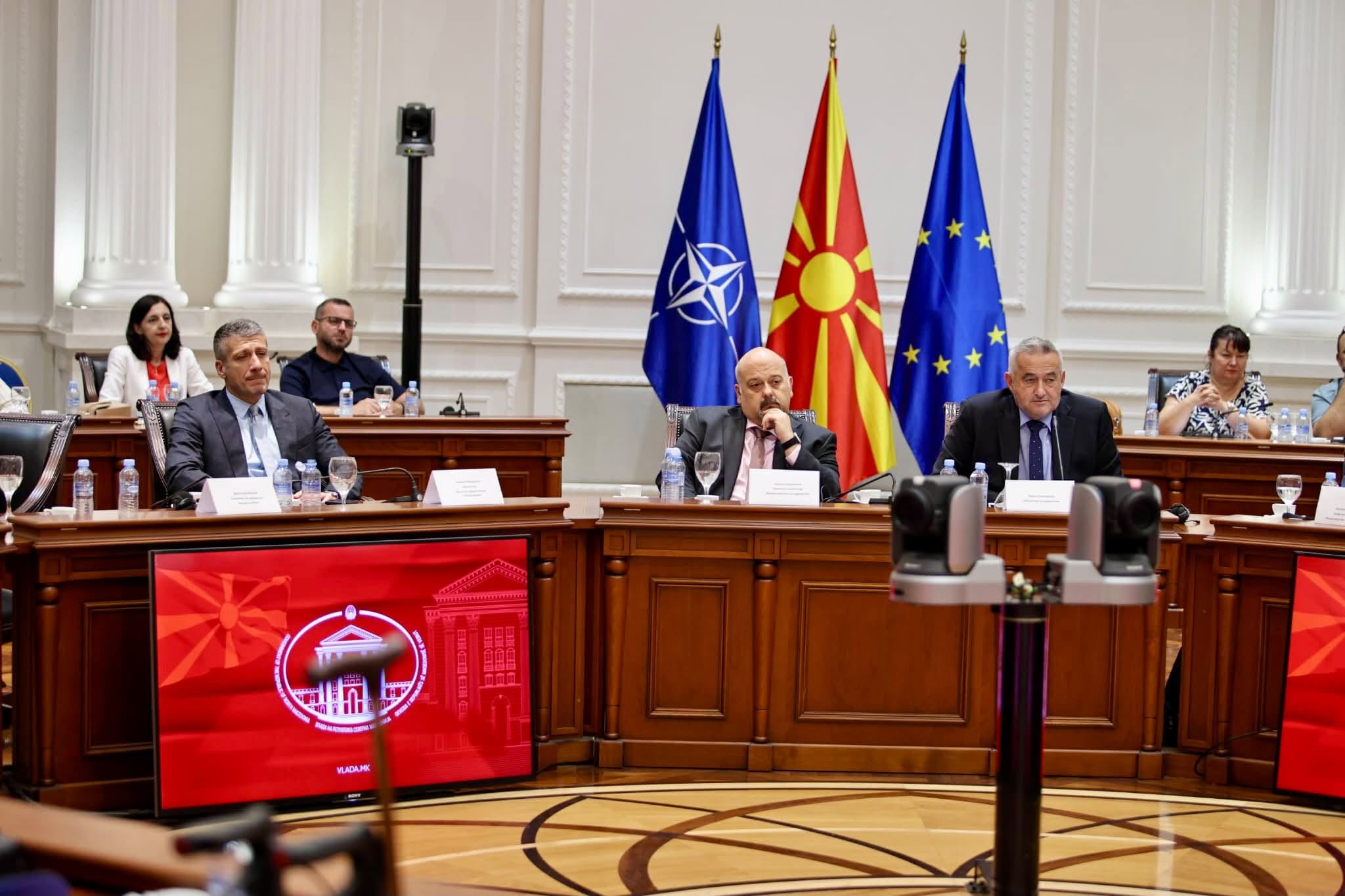
The proposed reforms were discussed during a government workshop that brought together representatives from the Ministry of Health, the Health Insurance Fund, the World Health Organization, employers, labor unions and other public institutions.
Government data presented at the meeting showed that short term sick leave cases increased by roughly one third between 2021 and 2025, with more than 300,000 cases recorded last year. Officials said respiratory illnesses and gastrointestinal infections remain the most common reasons employees take sick leave.
Although the number of long term absences has remained relatively stable, spending on sick leave benefits has continued to rise, prompting authorities to examine whether the current system should be updated.
As part of the review, officials are studying how neighboring countries manage employee leave. Serbia recently introduced a nationwide digital system that allows doctors, employers and government agencies to process sick leave electronically.
Slovenia has taken a different approach by giving physicians greater authority to define what activities employees are allowed to perform while on medical leave. The system also places restrictions on working another job or traveling abroad during approved leave without authorization.
Klekovski said the government has not yet decided which model, if any, it will adopt. He emphasized that the goal is to create a system that protects workers while improving transparency, reducing administrative burdens and preventing abuse.