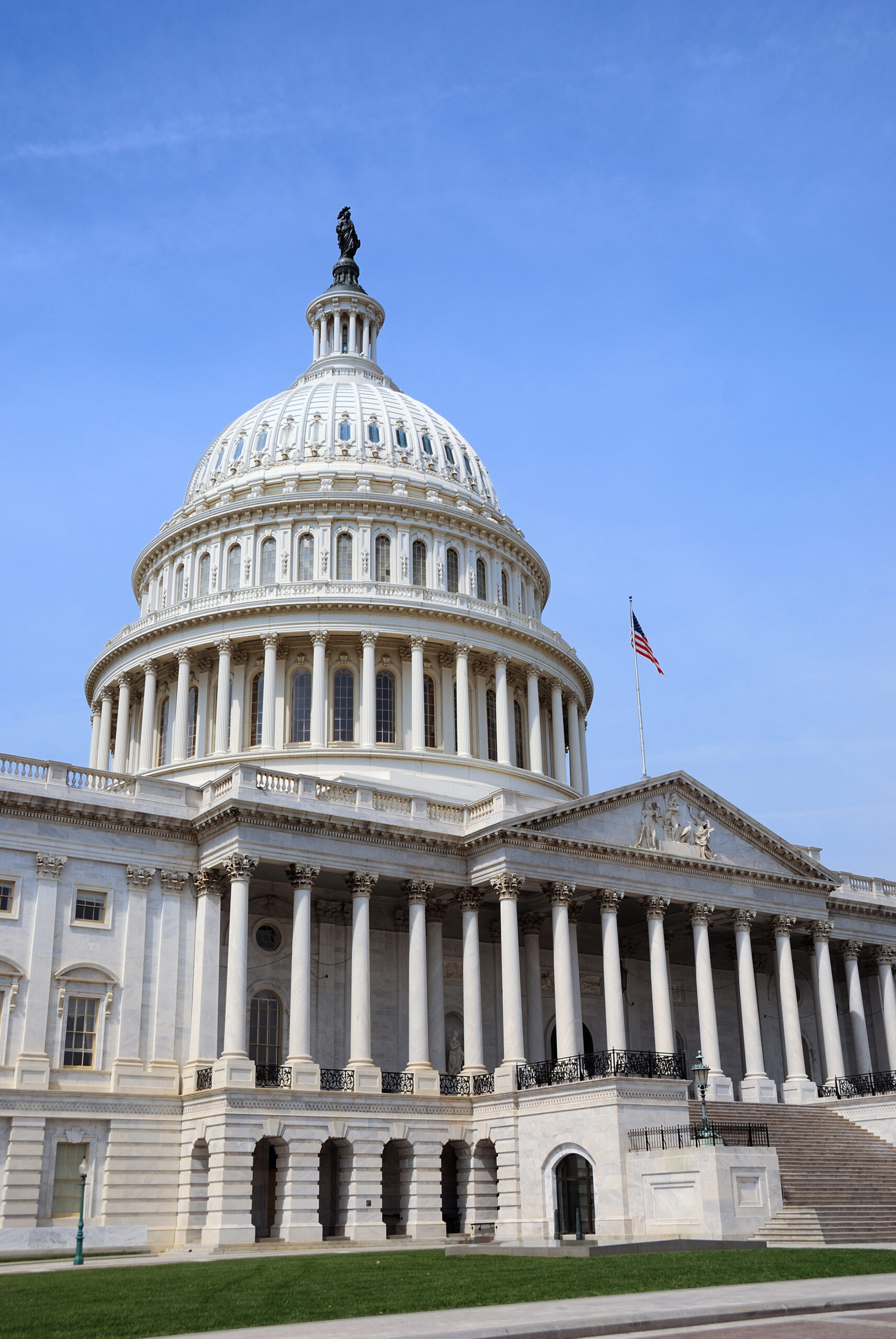
The Republican led U.S. House of Representatives passed a war powers resolution on Thursday directing President Donald Trump to halt U.S. military action against Iran unless Congress approves, but the Senate voted hours later to block a similar measure, exposing deep divisions on Capitol Hill over a conflict that has dragged on far longer than promised. The House approved the resolution 214-208, with four Republicans joining Democrats in a symbolic rebuke of the president. Yet the Senate fell short 47-49 on a binding resolution led by Senator Chris Van Hollen, effectively preserving Trump’s military authority. The split verdict comes as the war has stretched past the 90 day threshold established by the 1973 War Powers Act, which requires congressional authorization for prolonged military engagements. The House resolution, introduced by Representative Pramila Jayapal, directed Trump “to remove the use of United States Armed Forces from hostilities” against Iran unless Congress explicitly authorizes the conflict. The four House Republicans who broke ranks were Tom Barrett of Michigan, Brian Fitzpatrick of Pennsylvania, Warren Davidson of Ohio, and Thomas Massie of Kentucky. In the Senate, Republican Susan Collins of Maine voted with Democrats in favor, while Democratic Senator John Fetterman of Pennsylvania sided with Republicans against it. Four GOP senators were absent, including Rand Paul of Kentucky and Lisa Murkowski of Alaska, both of whom had previously supported war powers measures.
The votes unfolded amid escalating violence and mounting U.S. casualties that have transformed what Trump pitched as a quick, focused effort into a prolonged morass. Eighteen American troops have died since fighting broke out in February, with four killed since July 17 alone, and nearly 500 service members have been injured, according to Pentagon figures. The conflict has also spilled beyond Iran’s borders, with Iranian backed Houthi fighters in Yemen striking two Saudi oil tankers in the Red Sea on Wednesday, extending the war to a second major shipping chokepoint and prompting Trump to promise “major military punishment” for both Iran and its proxies. The attacks have already roiled energy markets, pushing Brent crude oil above $100 per barrel for the first time since May and driving the national average gas price to just over $4 per gallon. Democrats have seized on these economic pressures as they seek to link the unpopular war with affordability concerns ahead of November midterm elections, in which polls show Trump’s Republicans facing a difficult fight to maintain their congressional majorities. Republican opponents, meanwhile, have framed the resolutions as politically motivated efforts to undermine the commander in chief during wartime. Senator Tim Sheehy of Montana delivered a fiery floor speech accusing supporters of “defending these lunatics who want us all dead,” while House Foreign Affairs Chairman Brian Mast of Florida held up photographs of fallen service members during debate, arguing that “to belittle this mission is to belittle and demean the very service these members gave their life for.”
The constitutional stakes extend beyond immediate policy. The Constitution grants Congress alone the power to declare war, though decades of precedent have allowed presidents to order short term operations without legislative approval. The 1973 War Powers Act was designed to reclaim that authority by requiring military action to cease after 60 days, extendable to 90, without congressional authorization. Democrats argue that concurrent resolutions are binding if adopted by both chambers even without presidential signature, though scholars disagree. Representative Gregory Meeks of New York has introduced a separate resolution that would authorize a lawsuit to enforce congressional war powers, potentially forcing Speaker Mike Johnson to serve as lead plaintiff against the administration. Senate Minority Leader Chuck Schumer has vowed to “force our Republican colleagues to vote again and again and again until they see the light.” For now, the split verdict leaves Trump with continued military latitude even as bipartisan frustration festers, a dynamic likely to sharpen as casualties mount, energy prices climb, and the November elections draw closer.