The conflict between the United States and Iran entered another dangerous phase after U.S. forces launched a new wave of missile strikes across multiple regions of Iran. The attacks followed President Donald Trump’s warning of “major military punishment” in response to recent assaults on commercial shipping in the Red Sea, which U.S. officials blame on Iran backed Houthi forces. As military operations expand beyond the Strait of Hormuz, concerns are growing over regional stability, global energy supplies and the possibility of a wider conflict.
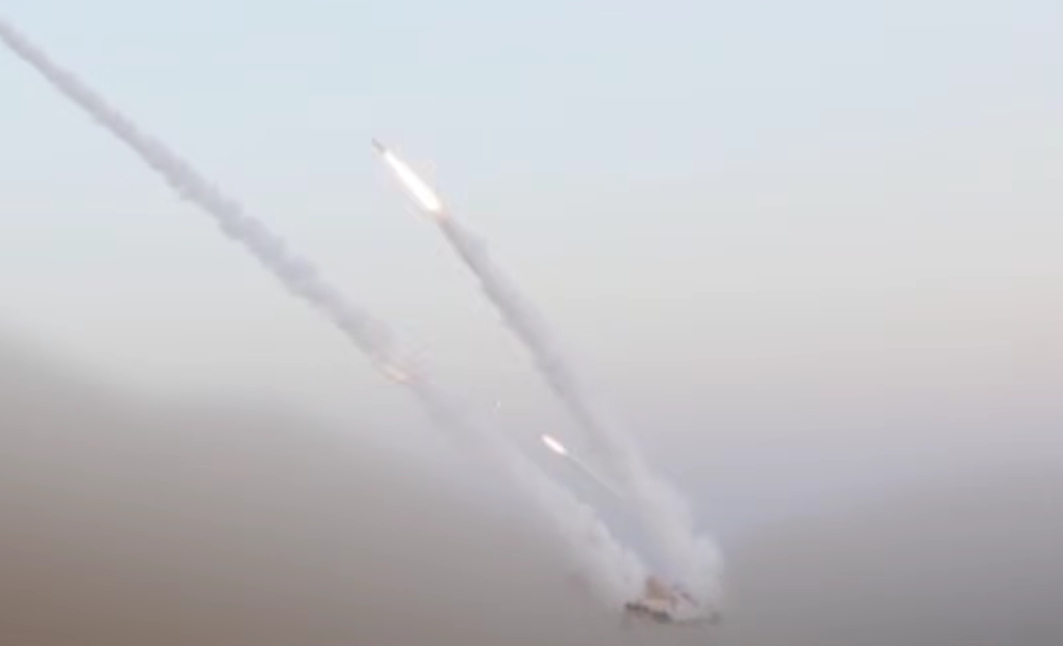
The latest strikes reportedly targeted military infrastructure across Iran, including Revolutionary Guard facilities and strategic locations stretching from the country’s southern coastline to its northern Caspian region. Iranian authorities reported casualties and infrastructure damage while responding with attacks on U.S. military positions in neighboring Gulf countries. Tehran also warned that any facilities used by American forces across the region could become legitimate military targets if the campaign continues.
The escalation comes after the Houthis claimed responsibility for attacks on Saudi oil tankers near the Bab el Mandeb Strait, one of the world’s most critical maritime trade routes. The incidents forced several commercial vessels to alter their routes, significantly increasing shipping costs and adding fresh pressure to global energy markets. Oil prices briefly climbed above $100 per barrel before easing, while insurers raised premiums for ships operating in the Red Sea amid growing security concerns.
The conflict is also beginning to impact the global economy beyond the energy sector. Companies reliant on international shipping are facing rising transportation costs and supply chain disruptions, while governments continue to monitor inflation risks linked to higher fuel prices. Meanwhile, debate has intensified in Washington, where some lawmakers have questioned the scope of the military campaign and renewed discussions over Congress’ constitutional authority to approve prolonged military action.
With tensions continuing to rise across multiple fronts, the crisis has become one of the most significant geopolitical challenges facing the international community. Diplomatic efforts remain limited as military operations continue, leaving markets, governments and regional allies closely watching whether the conflict expands further or whether renewed negotiations can prevent an even broader regional war.