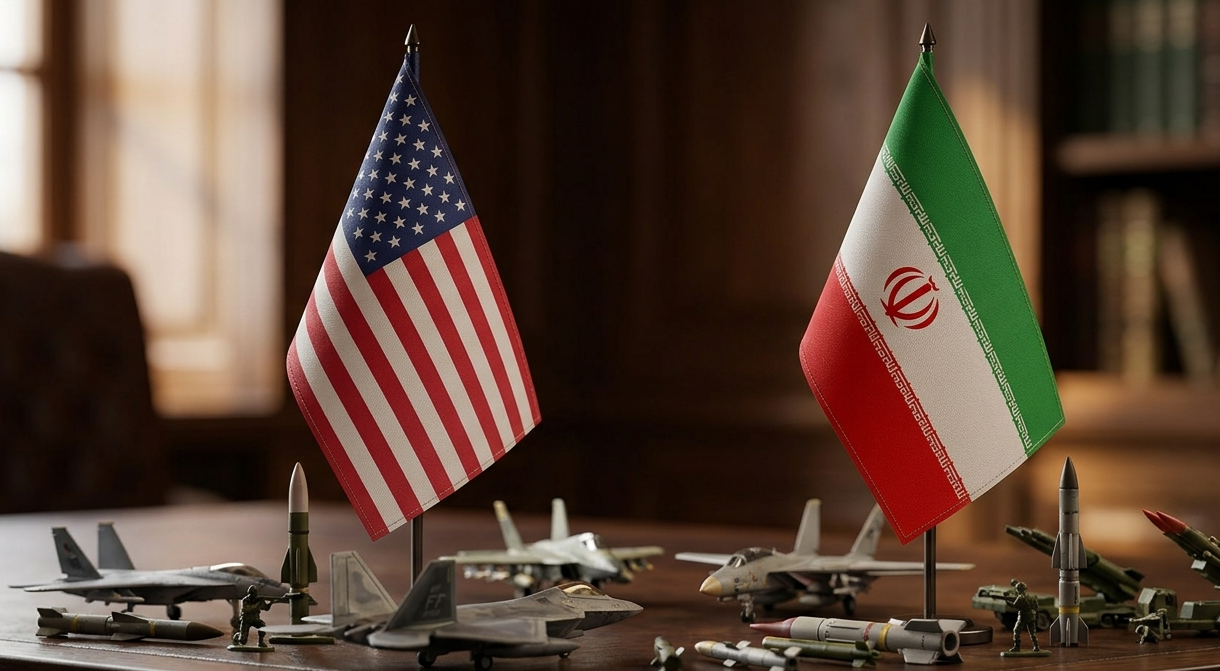
According to reports, Iran has rejected a reported ceasefire proposal allegedly sent by U.S. President Donald Trump through Iraqi Prime Minister Ali al Zaidi. While neither Washington nor Tehran has officially confirmed the existence of the proposal, the reports suggest diplomatic efforts to ease the growing conflict have so far failed, raising concerns that the region could face another major escalation in the coming days.
Sources cited by the newspaper claim Iranian officials dismissed the proposal because it did not address the strategic issue of the Strait of Hormuz, one of the world’s most important energy shipping routes. Control of the waterway has become a central point of tension during the conflict, with Tehran reportedly unwilling to consider a temporary truce without broader security guarantees. The reported rejection comes as the Trump administration continues to warn of further military action against Iranian infrastructure.
Iranian officials quoted anonymously also warned that any new U.S. strikes could trigger a wider regional response. According to the report, Tehran could retaliate with missile attacks against Israel while encouraging the Iran backed Houthi movement in Yemen to tighten pressure on maritime traffic through the Bab el Mandeb Strait, another critical global shipping corridor. Such a development could significantly disrupt international trade and energy supplies, adding further pressure to already volatile global markets.
The latest reports come amid continued exchanges between U.S. and Iranian forces across the Middle East. Recent weeks have seen American strikes targeting Iranian military facilities, while Iran has responded with missile and drone attacks aimed at U.S. military positions in the region. Analysts warn that the absence of direct diplomatic progress increases the risk of miscalculation, making it more difficult to prevent the conflict from expanding beyond its current scope.
Although the reported ceasefire proposal remains unconfirmed by either government, it highlights the growing diplomatic efforts taking place behind the scenes as military tensions continue to rise. With global attention focused on the security of key shipping routes and the broader stability of the Middle East, the coming days are expected to be critical in determining whether diplomacy can regain momentum or whether the conflict will continue to intensify.