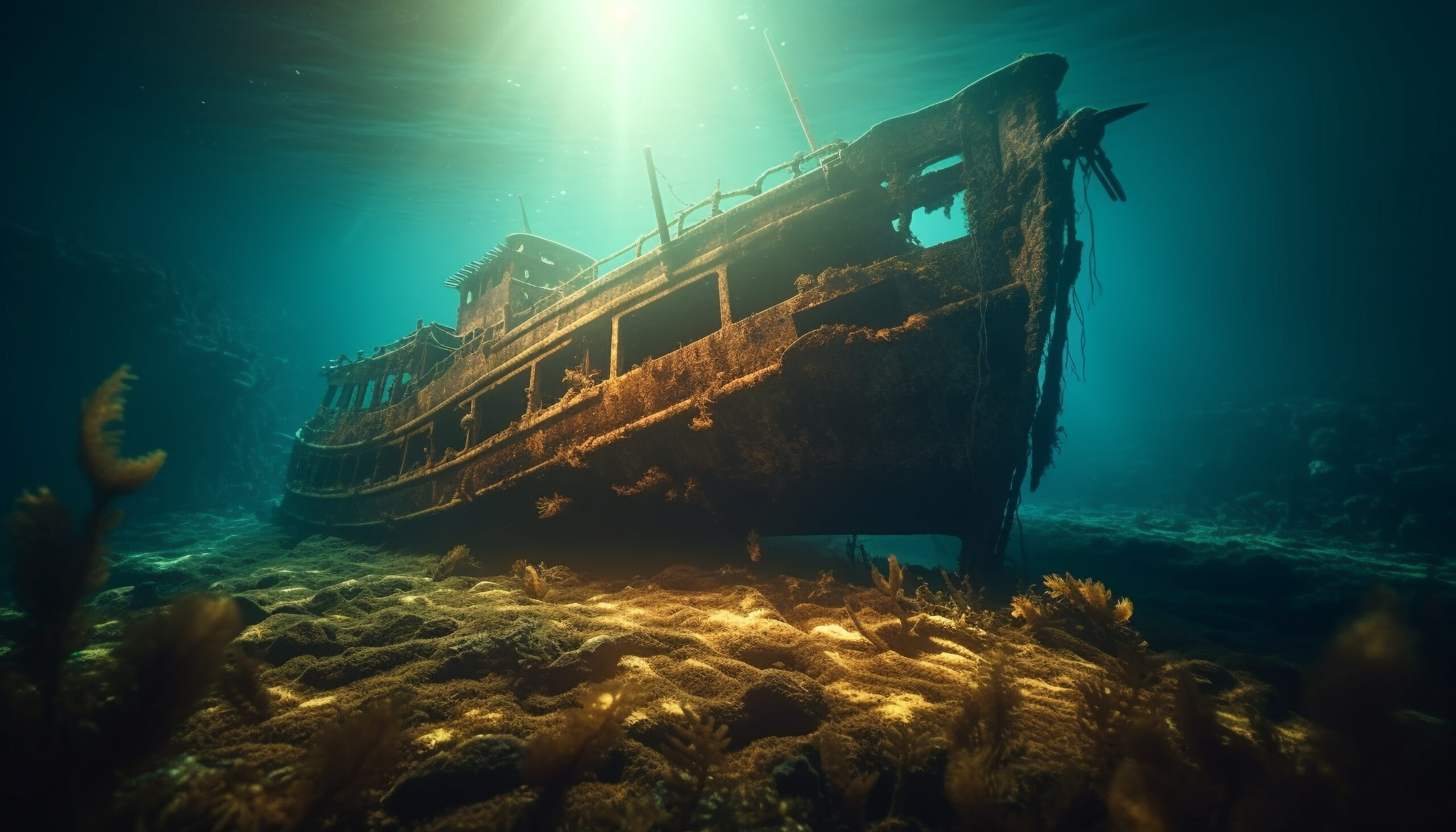
Archaeologists have uncovered an extraordinary collection of gold and rare artifacts from a shipwreck dating back more than 1,300 years off the Croatian coast. The discovery, which includes gold coins, precious gemstones and a gold ring bearing the image of Byzantine Emperor Heraclius, is being hailed as one of the most significant archaeological finds from the early medieval period. Researchers believe the wreck could transform historians’ understanding of Mediterranean trade and travel during the transition from the Roman Empire to the Middle Ages.
The shipwreck has been under investigation for more than a decade, with experts now estimating that the vessel sank sometime during the 7th or 8th century. Unlike a typical merchant ship, archaeologists believe it may have been transporting a high ranking official or member of the Byzantine elite. The luxurious artifacts recovered from the site suggest the passengers carried valuable personal belongings, pointing to a voyage of considerable political or economic importance.
Among the most remarkable discoveries is more than 600 grams of restored gold, making it one of the largest concentrations of gold ever recovered from a Mediterranean shipwreck of this era. Archaeologists also found amphorae commonly used in the Eastern Mediterranean, along with shells, traces of mercury and other artifacts that indicate a skilled goldsmith may have been traveling aboard the vessel. These findings provide valuable insight into trade, craftsmanship and daily life during a period that remains relatively poorly documented.
Experts say the shipwreck offers a rare glimpse into a pivotal moment in European history, when the Byzantine Empire was adapting to major political and economic changes following the decline of the Western Roman Empire. Because so few shipwrecks from this period have been thoroughly studied, researchers believe the site could help answer longstanding questions about ancient maritime routes, commerce and the movement of people across the Mediterranean.
As excavation and conservation work continues, archaeologists expect the shipwreck to reveal even more information about one of history’s least understood periods. The discovery not only highlights Croatia’s rich underwater cultural heritage but also reinforces the importance of preserving archaeological sites that continue to reshape our understanding of the ancient world.