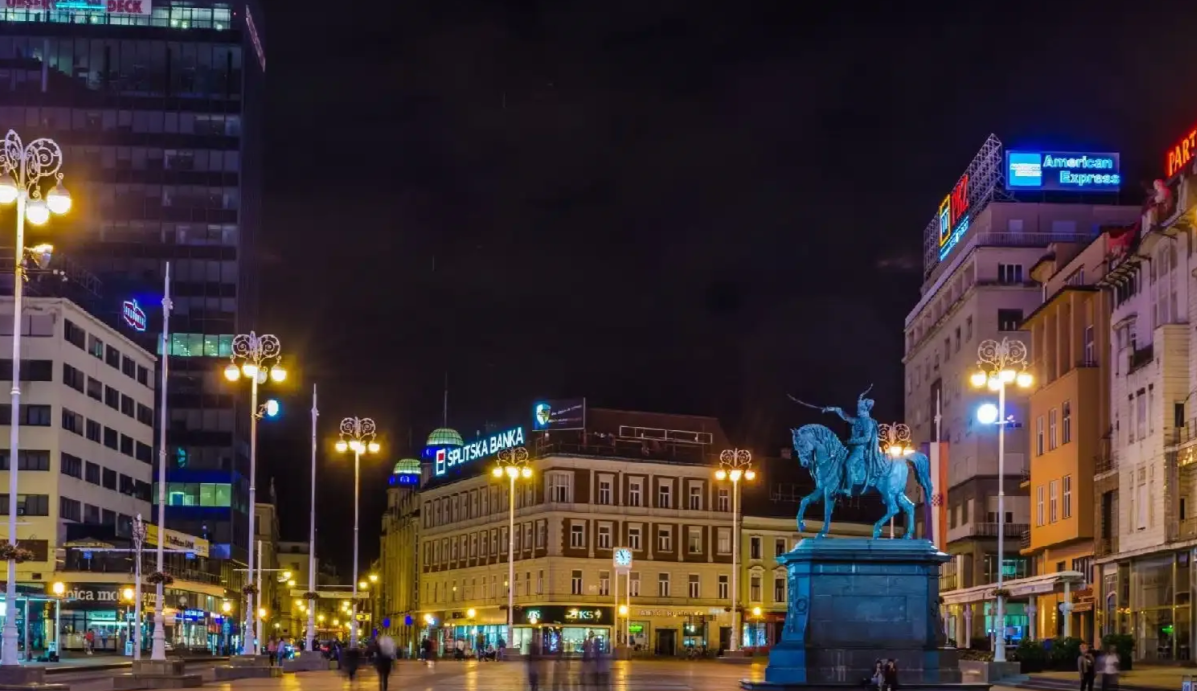
Underground waste containers in Zagreb are being installed in the city’s historic center as part of an effort to improve waste collection, reduce unpleasant odors, and preserve the appearance of public spaces.
The project is part of a broader initiative to modernize the city’s waste management system while keeping busy public areas cleaner and more organized.
How the New Waste Containers Work
The new containers are installed beneath the ground, with only small disposal units remaining visible above the surface.
City officials say the system is designed to reduce overflowing trash bins, improve sanitation, and make waste collection more efficient.
The underground design also helps minimize visual clutter in one of Zagreb’s busiest and most historic districts.
Comparing Waste Management Across Europe
The introduction of underground waste containers in Zagreb has also sparked interest in how other European capitals manage waste in their city centers.
Many cities have adopted underground or semi underground waste systems in residential neighborhoods.
However, these systems are less common in the main squares of historic city centers, where local governments often balance modern infrastructure with the preservation of cultural landmarks.
Zagreb Continues to Expand the Project
Zagreb has been expanding its network of underground and semi underground waste containers over the past several years.
Officials say additional locations will be added as the project moves forward, supporting the city’s long term waste management strategy.
The expansion is intended to improve cleanliness while creating a more efficient collection system.
Benefits and Challenges
Supporters believe the new containers will improve public hygiene, reduce odors, and create a cleaner appearance in the city center.
Others argue that careful planning is needed to ensure the system remains practical for residents, businesses, and visitors while protecting the historic character of Zagreb.
Modernizing Urban Waste Management
The installation reflects a wider trend across Europe to modernize waste management through innovative infrastructure.
Projects like underground waste containers in Zagreb aim to improve sanitation, encourage recycling, and create cleaner, more attractive public spaces.