A Slovenian man has been formally charged over the December 2025 damage to a prominent monument of former Yugoslav leader Josip Broz Tito in Velenje.
Prosecutors in Celje accuse Miroslav Pačnik of damaging or destroying an object of special cultural importance, a crime that carries a possible prison sentence of up to five years.
The prosecution is also seeking a financial penalty of at least €11,254.50.
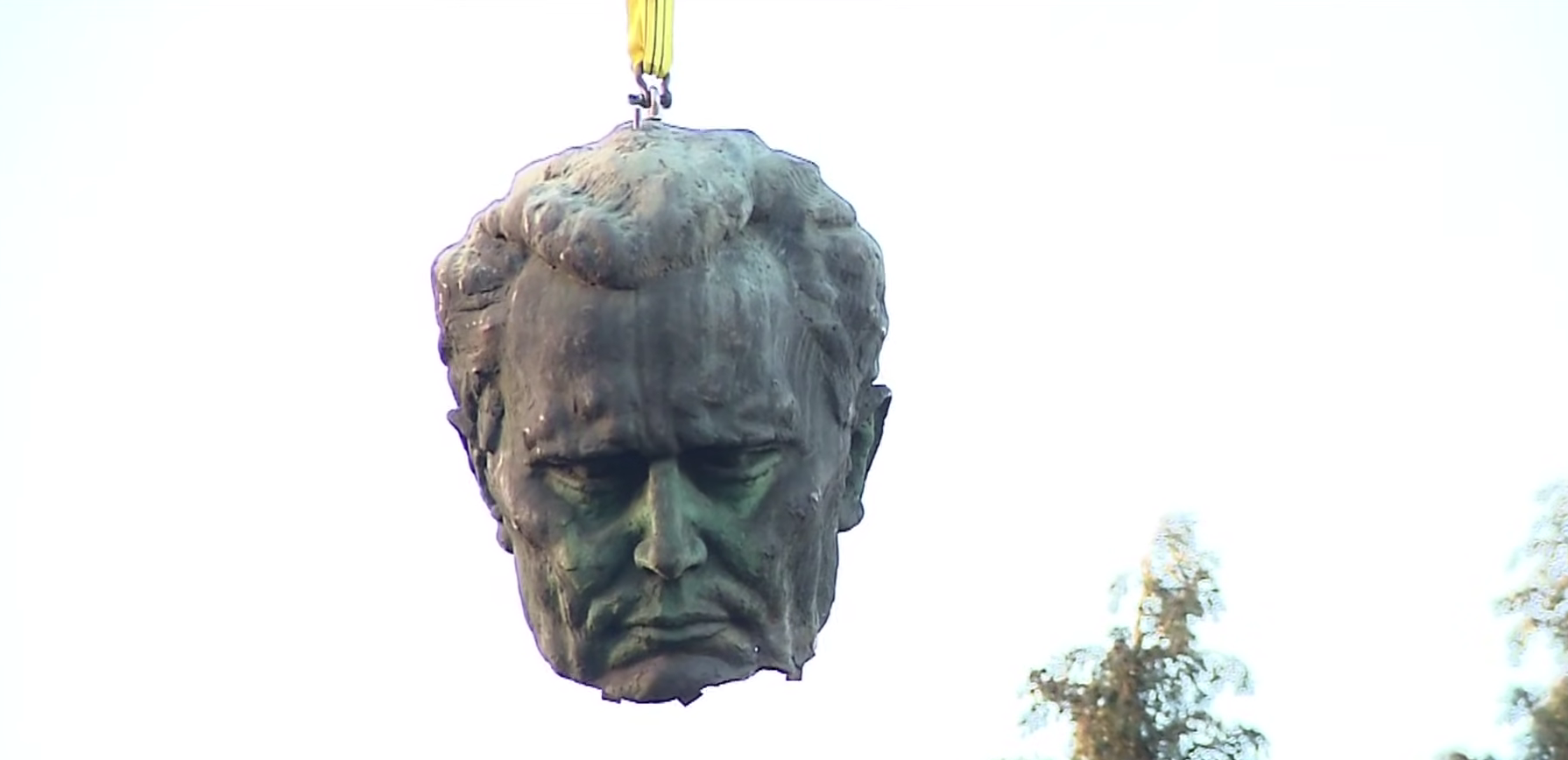
The incident took place at Tito Square in Velenje, where Pačnik removed the bronze head from the monument before transporting it in his vehicle.
Police located him after a citizen reported the incident, and the statue’s head was found in the car’s trunk.
The case subsequently moved into the judicial system, with the Celje District Prosecutor’s Office filing the indictment in July 2026.
Tito Monument Case Renews Debate Over Yugoslav Legacy
The legal case has also renewed discussion about the controversial legacy of Tito in Slovenia and across the former Yugoslavia.
Pačnik has defended his actions by arguing that Tito’s rule harmed Slovenian culture and that the former Yugoslav leader remains a deeply divisive historical figure.
His comments reflect a broader debate over whether monuments to Tito should be viewed primarily as historical heritage or as symbols of a repressive political era.
The Velenje monument has particular significance because it is one of the city’s best known landmarks and is considered the world’s largest monument to Tito.
The statue stands at roughly six metres and has been part of the city’s public landscape for decades.
Following the incident, the municipality sought compensation of slightly more than €11,200 for the damage.
The monument has since been repaired in cooperation with Slovenia’s Institute for the Protection of Cultural Heritage.
The case is therefore about more than damage to a statue.
It highlights how historical symbols from the Yugoslav period continue to generate political and social disagreements in modern Slovenia.
Tito’s legacy remains complex, with supporters pointing to Yugoslavia’s post-war development and international position, while critics focus on political repression and restrictions on opposition during his rule.
For now, Pačnik’s case will proceed through the Slovenian judicial system, and the indictment does not itself establish guilt.
The court process will determine whether he is convicted and what penalty, if any, will ultimately be imposed.
The controversy surrounding the Velenje monument is likely to continue as Slovenia debates how its public spaces should represent a complicated and contested past.