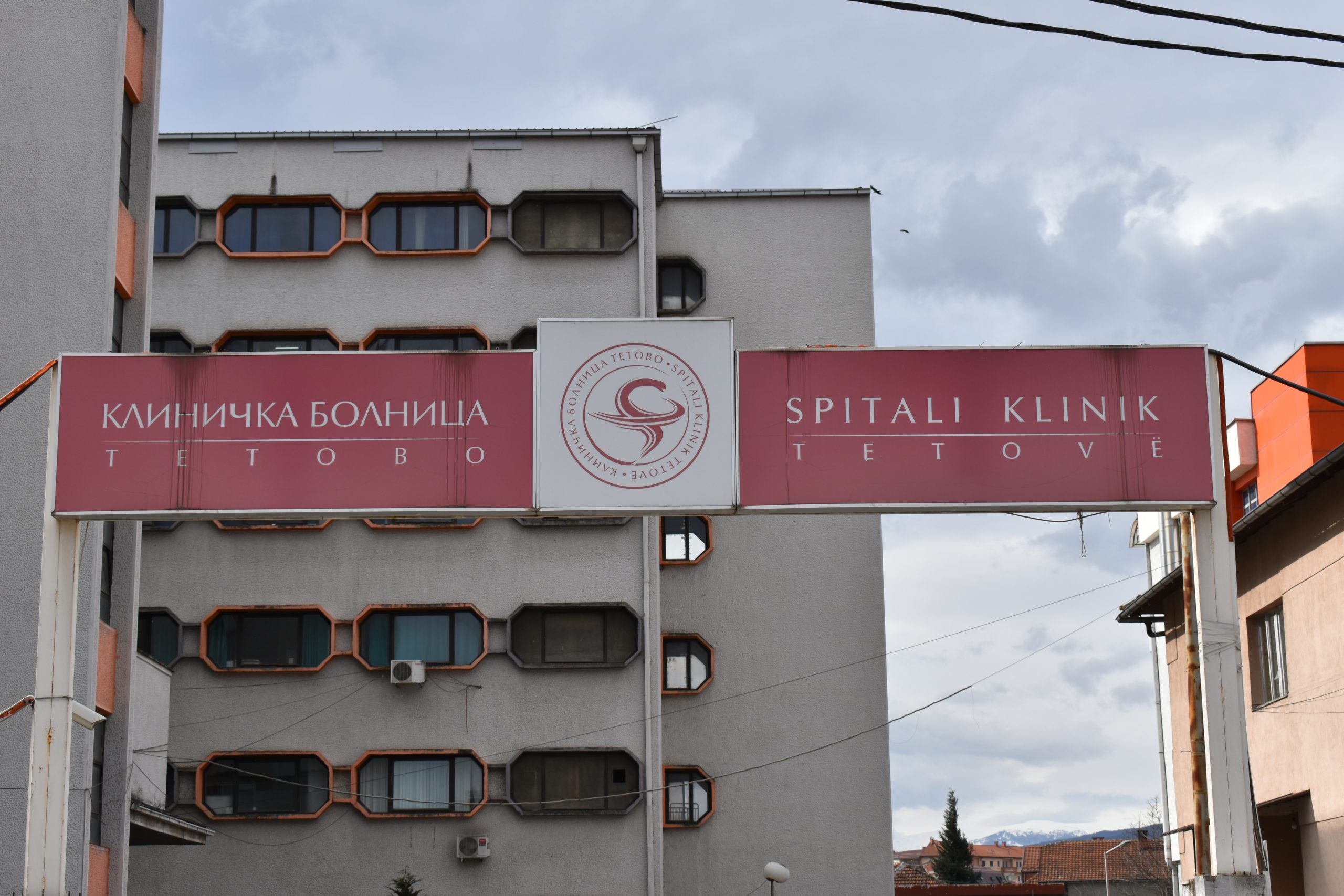
Tetovo Clinical Hospital is set for a major reconstruction and expansion project valued at 4.56 billion denars, or approximately €74 million. The planned investment is intended to modernize the hospital, expand medical services and improve access to healthcare for around 251,500 residents of the Polog region. The project was presented during a visit involving Health Minister Dr. Sasho Klekovski, Deputy Health Minister Jovica Andovski, Health Insurance Fund Director Zlatko Perinski, Tetovo Mayor Bilal Kasami and Tetovo Clinical Hospital Director Dr. Erzen Elezi, with representatives of the World Bank and the Ministry of Health also taking part in discussions about the next steps.
Plans for a Modernized Tetovo Hospital
The proposed reconstruction would transform several parts of the hospital complex. Plans include modernization of the surgical and internal medicine blocks, as well as the construction of a new pavilion for several medical specialties. A separate building for gynecology, obstetrics and neonatology is also planned, while the project would bring new medical equipment and information technology systems. Older and deteriorated structures would be removed, and the wider hospital complex would be reorganized and renovated to create a more integrated healthcare facility with better conditions for patients and medical staff.
For residents of Tetovo and the wider Polog region, one of the most important expected benefits is improved access to medical care closer to home. The authorities say the upgraded hospital should provide more services locally, reduce waiting times and decrease the number of patients who need to be referred to Skopje. If the plans are implemented successfully, the investment could allow patients to receive more specialized treatment in Tetovo instead of traveling to the capital for services that are currently unavailable or limited in the region.
The planned investment comes as Macedonia continues to face broader challenges in improving the efficiency and quality of its healthcare system. The World Bank has previously highlighted the need for better public spending and stronger healthcare delivery, including improvements in hospital organization and access to quality services. The World Bank has also been involved in Macedonia’s health sector through financing and technical support, while its recent country strategy for 2024–2028 places emphasis on improving the quality, efficiency and transparency of public services, including healthcare.
The condition and organization of hospital infrastructure are particularly important because the country’s healthcare system faces differences in hospital performance between regions. World Bank data show variations in hospital efficiency and capacity across Macedonia, underlining the importance of investments that can improve both infrastructure and service delivery. For the Polog region, the reconstruction of Tetovo Clinical Hospital could therefore represent not only an upgrade to physical facilities, but also an opportunity to strengthen the way healthcare services are organized and delivered.
Financing and Next Steps for the Reconstruction
The financial figure announced for Tetovo is an estimate rather than a final confirmed project cost. According to the authorities, the final financing model will be determined after feasibility studies, technical documentation and cost benefit analysis are completed. Discussions with the World Bank have already focused on defining a sustainable financing structure for the project, meaning that several important steps still need to be completed before the full investment can move into construction and procurement.
The Ministry of Health, Health Insurance Fund, Municipality of Tetovo and hospital management are expected to coordinate the preparation of the project and provide institutional support throughout its implementation. This stage will be important because a project of this size requires detailed planning, technical documentation and financial arrangements before construction can begin. The preparation process will ultimately determine the project’s scope, final cost and timeline.
The proposed reconstruction would represent one of the most significant healthcare infrastructure investments in the Polog region. If implemented as planned, the project could give Tetovo a more modern hospital with expanded services, improved technology and better facilities for both patients and healthcare workers. The combination of renovated medical blocks, new specialized facilities, modern equipment and improved information systems could significantly change the hospital’s role in regional healthcare.
The main challenge now is turning the proposal into a completed project. The feasibility work, financing arrangements, technical planning and implementation will determine how quickly residents see the promised improvements. For the approximately 251,500 people who depend on healthcare services in the region, the ultimate measure of success will be whether the Tetovo Hospital reconstruction leads to shorter waits, fewer referrals to Skopje and more specialized treatment available locally.