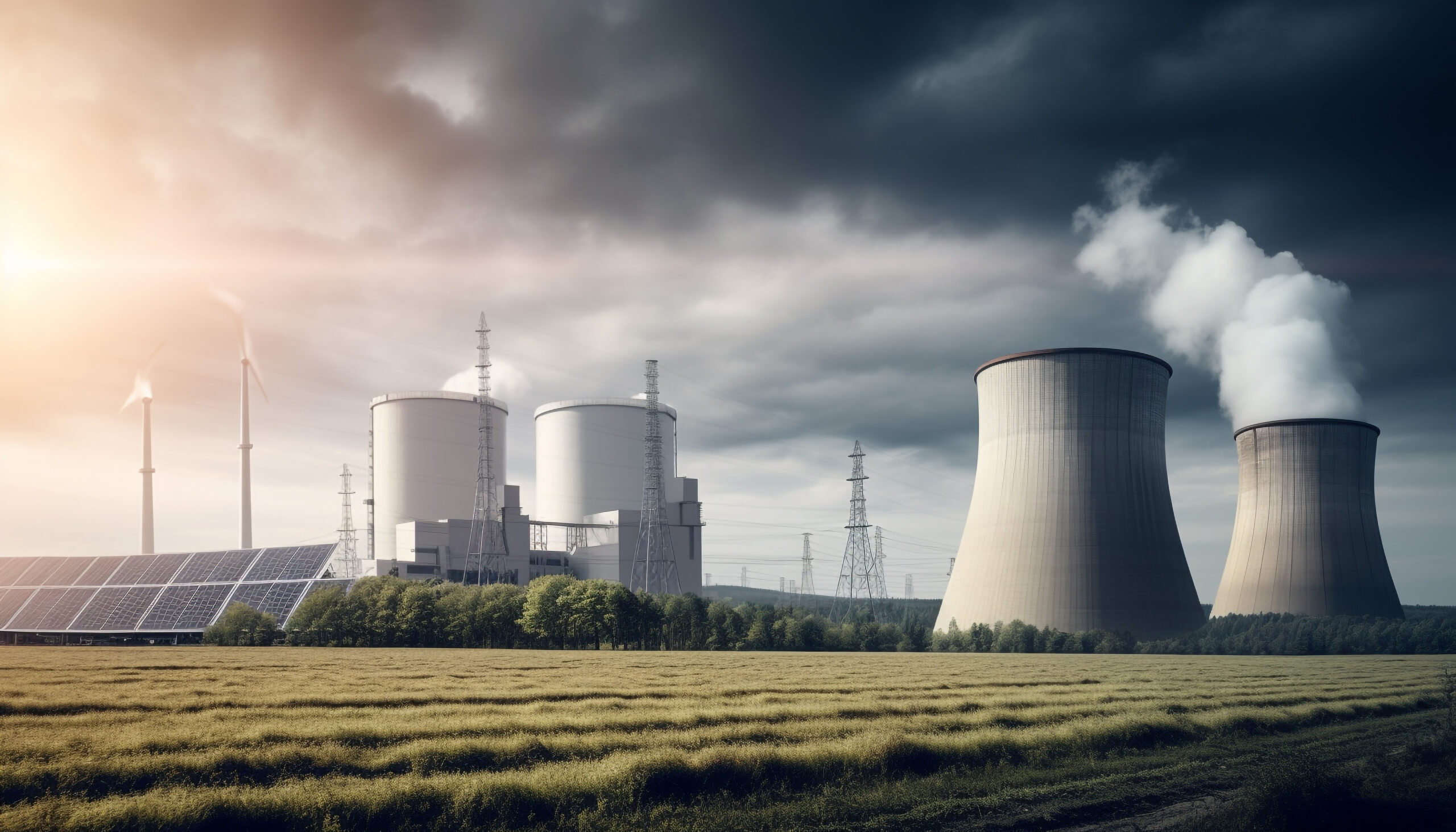
Serbia is taking another step toward developing a national nuclear energy program, with the government working alongside French energy company EDF and the French Development Agency (AFD) to establish the expertise, institutions and regulatory framework needed for a potential future nuclear power project. Energy Minister Dubravka Đedović Handanović said Serbia could have its first nuclear power plant after 2040, highlighting that the country remains in an early preparation phase rather than being close to construction.
The partnership is focused on creating the foundations for a possible nuclear program. An agreement between Serbia, EDF and AFD is intended to strengthen professional and organizational capacity while supporting studies into how a civilian nuclear energy sector could be developed. AFD has provided a €500,000 grant for the initial work, particularly supporting the professional and institutional infrastructure needed to manage such a complex program.
A major priority will be developing the workforce required for nuclear energy. Serbia needs specialized expertise in areas including engineering, regulation, safety, project management and nuclear security, making human resources one of the most important prerequisites for the program. At the same time, the government must establish the legal and institutional framework necessary to oversee nuclear activities and ensure that international safety standards are followed.
EDF has already completed a preliminary technical study for Serbia and is expected to participate in additional studies during the first phase of the program. According to the Serbian Ministry of Mining and Energy, the work follows the staged methodology of the International Atomic Energy Agency (IAEA), which is designed to help countries determine whether they are ready to introduce nuclear power. The initial phase will examine regulatory, technical, safety, workforce and market requirements before major investment decisions are considered.
Serbia’s nuclear ambitions are part of a broader change in its long term energy planning. The government has argued that nuclear power could provide a stable source of low carbon electricity as the country modernizes its energy system, reduces emissions and prepares for rising electricity demand. In March, Đedović Handanović said nuclear energy should be considered as part of Serbia’s long term strategy for ensuring sufficient electricity supplies and supporting economic development.
France Partnership Builds the Foundations for Nuclear Power
Cooperation between Serbia and EDF has expanded throughout 2026. Earlier this year, the Serbian Ministry of Mining and Energy said EDF’s preliminary study had identified 19 key steps needed to establish the infrastructure required for a nuclear program. Officials have also acknowledged that Serbia does not yet have a complete legal and institutional framework for civilian nuclear energy, meaning substantial preparation remains before the country could make a final decision on construction.
The timeline reflects the complexity of developing nuclear power. A nuclear plant requires years of planning, regulatory preparation, financing, specialized personnel, safety systems and technical studies before construction can begin. Serbia’s government expects the initial phase of its nuclear program to focus on establishing these foundations, with decisions on reactor technology, financing and construction coming later if the country determines that nuclear power is viable.
The partnership with France is therefore an important step, but it does not mean Serbia has selected a reactor design or committed to building a particular nuclear plant. Instead, the immediate objective is to develop the expertise and institutional capacity needed to make an informed decision. EDF brings extensive experience in nuclear energy, while the AFD grant is designed to support the professional and organizational groundwork required for the next stage.
The potential program could eventually play an important role in Serbia’s energy security. Nuclear power can provide large amounts of consistent electricity with low operational carbon emissions, although projects require substantial investment and strict safety and regulatory oversight. For Serbia, the challenge will be balancing those potential benefits with the financial, technical and institutional demands involved in developing a nuclear sector.
The Serbia nuclear energy program is therefore moving gradually from political discussion toward a more structured preparation phase. A first nuclear power plant remains a long term possibility, potentially after 2040, while the immediate focus is on studies, legislation, institutions and developing the professionals capable of managing the sector. If the program advances successfully, decisions made during this early stage could have a significant impact on Serbia’s energy security and electricity supply for decades.