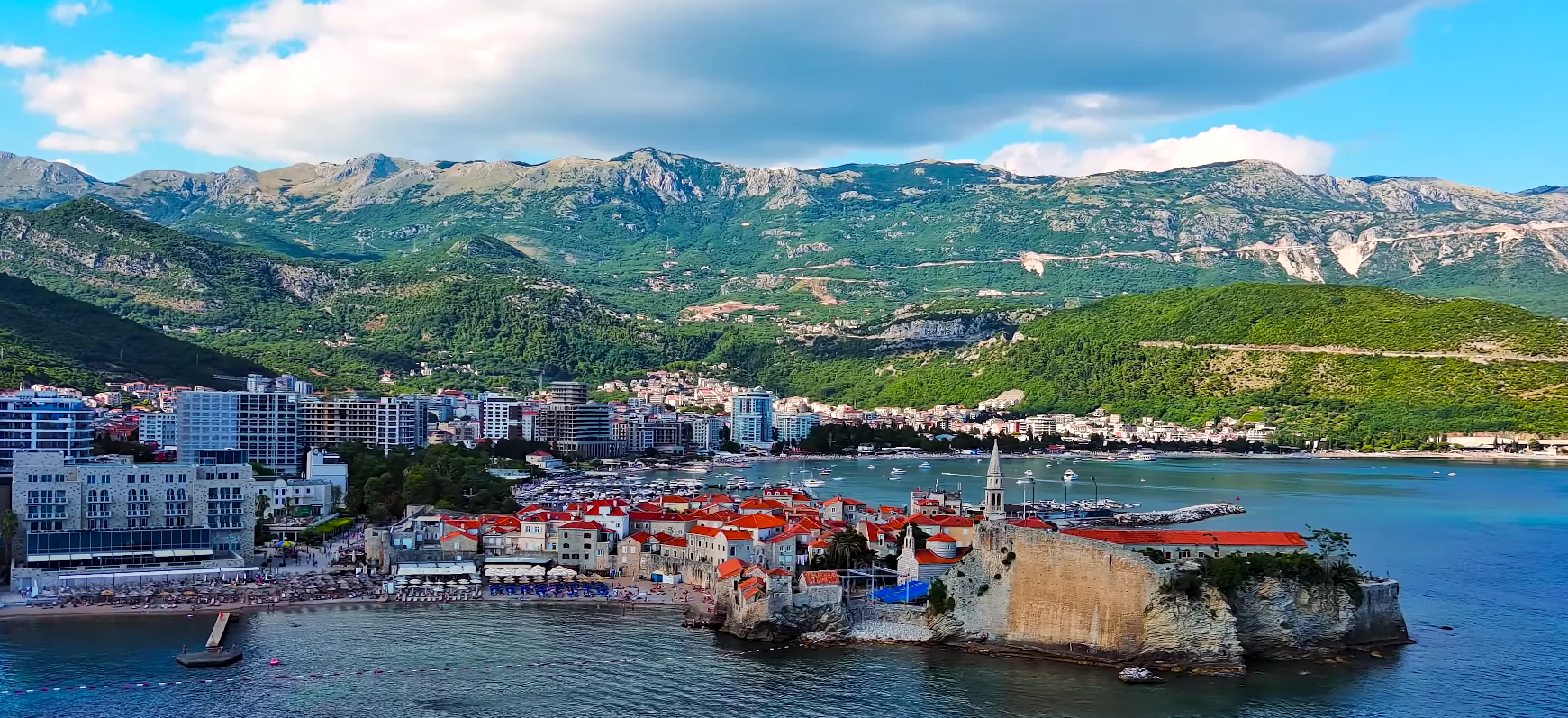
Swimming has been banned at several popular beaches in Bar and Budva after water quality tests found unsafe levels of contamination linked to sewage discharges into the sea. Red flags were raised at Žukotrlica 02 and Žukotrlica 03 in the Šušanj settlement of Bar, as well as Slovenska Plaža 01 and Pržno in Budva, after analyses by the Institute of Marine Biology found that water quality at the locations had fallen below safe standards.
The problem was first reported after swimmers in Šušanj noticed murky water and an unpleasant odor. Reports later indicated that sewage was entering the sea at multiple points near the beach. Despite the swimming bans and official warnings, images from Šušanj showed tourists and locals continuing to enter the water, raising further concerns about public awareness and compliance with health advisories.
Sewage Contamination Raises Health and Tourism Concerns
The reported health effects have added to concerns surrounding the contamination. Local clinics have reportedly treated children experiencing symptoms including diarrhea, vomiting, fatigue and fever, while pediatricians have linked the illnesses to bacterial exposure associated with contaminated coastal waters. Parents whose children became ill while vacationing in Montenegro have expressed frustration over the situation and questioned whether authorities acted quickly enough to communicate the risks.
The Institute of Marine Biology’s broader sampling of 114 locations across Montenegro from July 20 to 23 found that 78.9% of beaches had excellent water quality, while 3.5% were classified as poor. Although the percentage of affected beaches was relatively small, the incidents highlight the challenges faced by heavily developed coastal areas, where large seasonal increases in population can place additional pressure on wastewater infrastructure.
Montenegro’s coastal municipalities have faced sewage management challenges for years, and swimming bans linked to contamination have occurred in previous summers. The country’s tourism industry depends heavily on its Adriatic coastline and reputation for clean beaches, making effective wastewater management particularly important during the peak tourist season.
The latest incidents also highlight the difference between individual environmental certifications and conditions across the wider coastline. Thirty six Montenegrin beaches received Blue Flag certification for 2026, an international designation associated with environmental management, safety and water quality standards. However, the sewage spills in Bar and Budva demonstrate that high standards at certified beaches do not necessarily reflect conditions at every coastal location.
Authorities have said the swimming bans will remain in effect until water quality improves, while the republic water inspector has been notified and asked to take measures within his jurisdiction. Until testing confirms that the affected locations are safe, residents and visitors should follow posted warnings and avoid entering the water at beaches where swimming has been prohibited.
For Montenegro, the incidents represent both a public health concern and a challenge for its tourism image. The country markets itself as a premium Mediterranean destination, and recurring sewage problems could undermine confidence among visitors. Strengthening wastewater infrastructure and ensuring that coastal systems can handle peak season demand will therefore be important not only for protecting public health but also for preserving the long term reputation of Montenegro’s beaches.