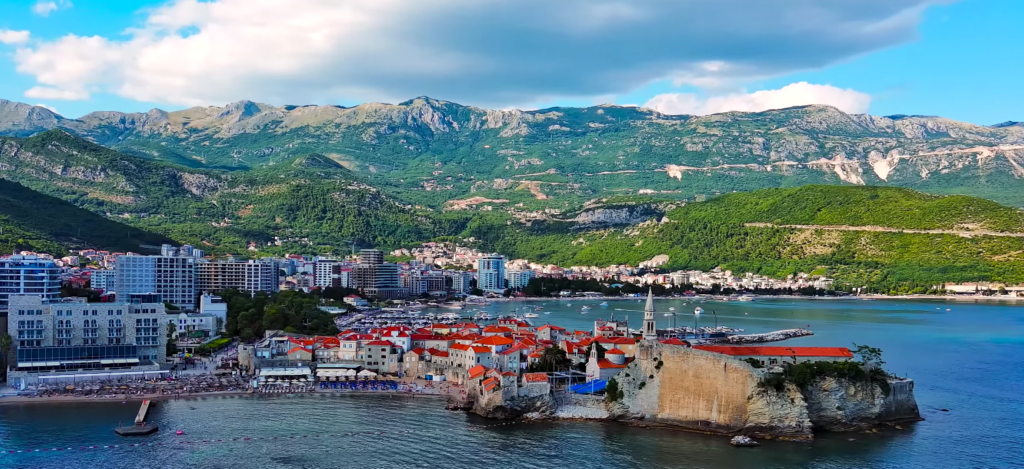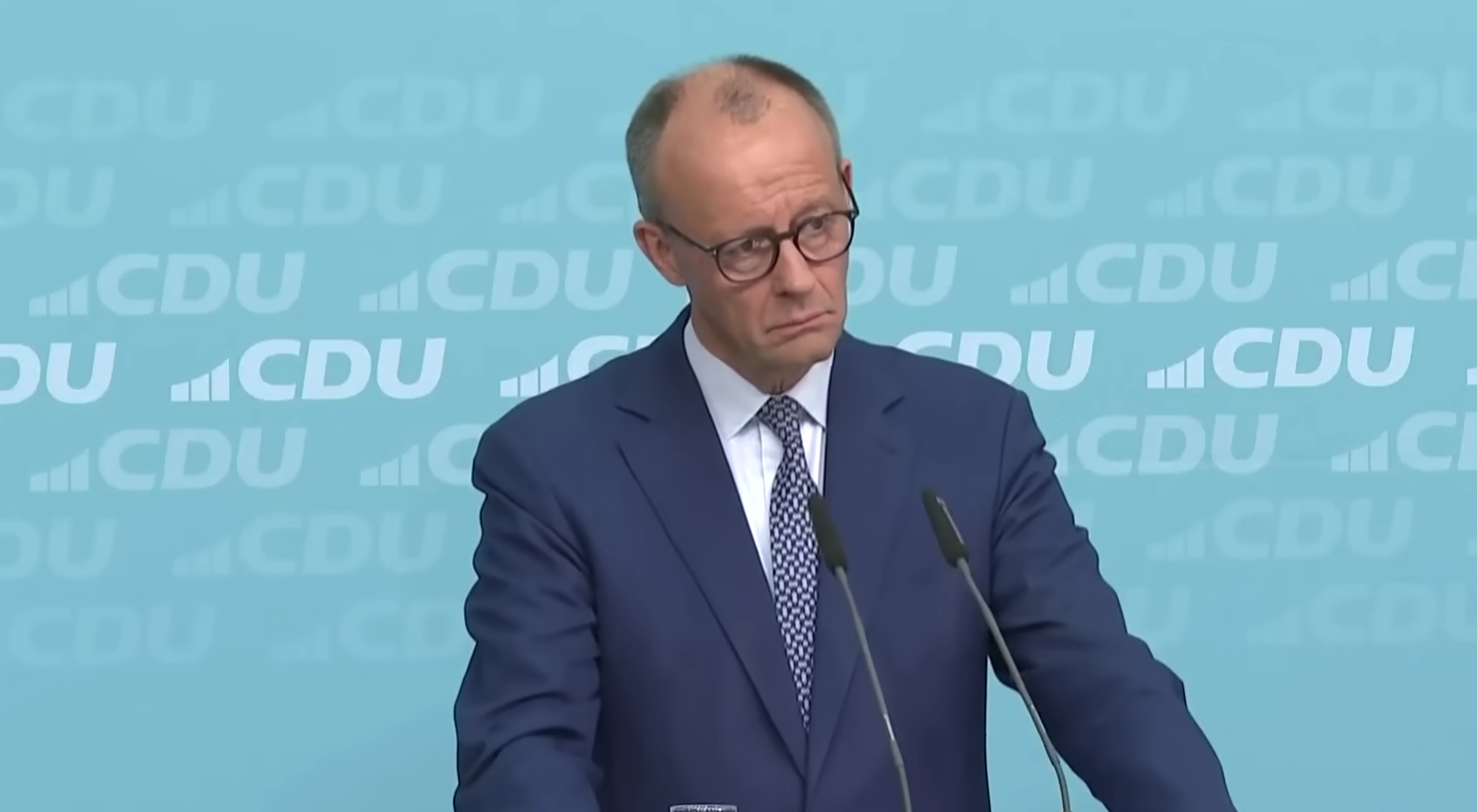
Montenegro has received a strong political endorsement from German Chancellor Friedrich Merz, who said the country should become a member of the European Union by the end of the decade. Speaking during a visit to Dublin, Merz described Montenegro as one of the most advanced candidates in the EU enlargement process and argued that countries that meet the necessary standards should not have their progress held back by developments in other candidate states.
The statement comes as Montenegro continues to make notable progress in its accession negotiations. The country opened EU membership talks in 2012 and has since opened all 33 negotiating chapters. In July 2026, the EU provisionally closed two additional chapters covering competition policy and the customs union, bringing the total number of provisionally closed chapters to 18. EU officials have repeatedly described Montenegro as a frontrunner in the enlargement process.
Montenegro’s EU Path Gains Momentum
Merz’s message reflects a broader argument that the EU enlargement process must remain based on individual progress and merit. He said countries fulfilling the required criteria should be able to move forward rather than being delayed because of difficulties faced by other candidates. His comments therefore place Montenegro’s accession prospects within the wider debate over how quickly the European Union should advance its enlargement agenda in the Western Balkans.
The progress made by Montenegro in recent months provides some basis for that optimism. In 2026 alone, the country has provisionally closed chapters covering financial control, trans European networks, freedom of movement for workers, consumer and health protection, competition policy and the customs union. Several additional chapters were closed in late 2025, including areas such as company law, agriculture, fisheries and the free movement of capital.
However, provisional closure of negotiating chapters does not mean Montenegro has completed the accession process. The EU considers agreements on individual chapters provisional until an overall agreement is reached on all areas of the negotiations. The country must continue aligning its legislation and institutions with EU rules and maintain progress on reforms before membership can be finalized.
The 2030 objective would therefore represent an ambitious timetable rather than an automatic deadline. Montenegro’s progress has strengthened its position among EU candidates, but the final stage of accession depends on completing the remaining negotiations, meeting all membership requirements and obtaining approval from EU member states in accordance with the bloc’s procedures.
The political significance of Merz’s statement is nevertheless considerable. Germany remains one of the EU’s most influential member states, and public support from Berlin for a faster accession path could strengthen Montenegro’s argument that progress should be rewarded. It also sends a broader message that enlargement remains relevant to the EU’s strategic future, particularly as the bloc looks to strengthen stability and cooperation in the Western Balkans.
For Montenegro, the challenge now is to turn the political momentum into continued measurable progress. The country has already established itself as the leading candidate in terms of the number of negotiating chapters provisionally closed, but the remaining work includes further reforms and completion of the overall accession framework.
Merz’s comments therefore provide Montenegro with an important boost as it enters what could be a decisive period in its European integration process. While joining the EU by the end of the decade remains an objective rather than a guarantee, the country’s recent progress and growing political support for its accession suggest that Montenegro is positioning itself to become the next Western Balkan country to enter the European Union.