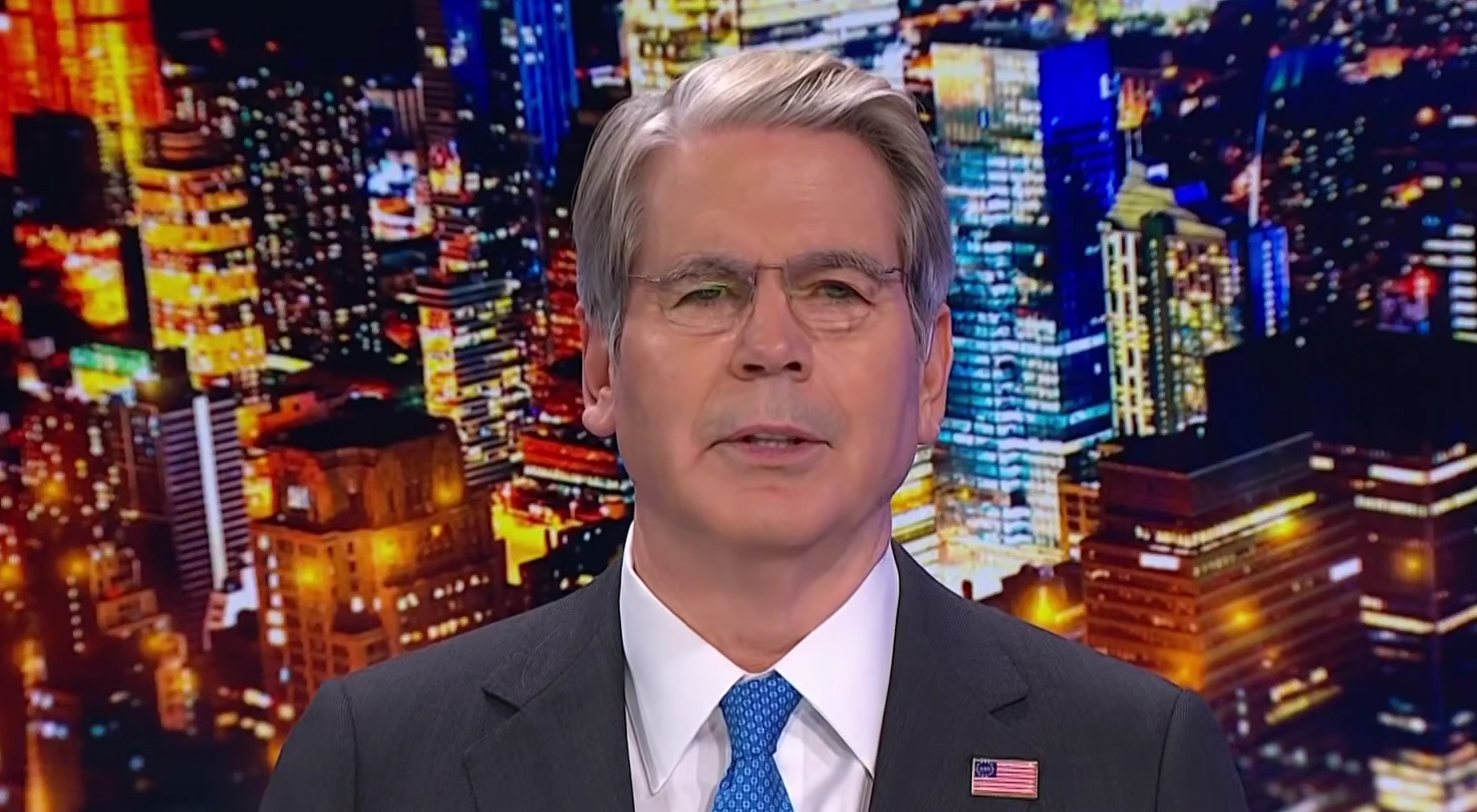
The United States is preparing to impose what Treasury Secretary Scott Bessent has described as unprecedented economic isolation measures against Iran, combining additional sanctions with a sustained naval blockade around the Strait of Hormuz. On Thursday, Bessent said Washington would announce further measures within days and promised economic pressure on Iran “like have never been seen in the history of economic isolation on a country.” His warning comes as the maritime conflict surrounding Iran continues to expand, with Houthi forces in Yemen blamed for a deadly attack on a cargo vessel in the Bab el Mandeb and the U.S. Navy taking direct action against a ship accused of attempting to breach the blockade.
Bessent’s comments signal a major escalation in the economic dimension of a conflict that has already disrupted global energy markets. He said the campaign would combine severe economic restrictions with the continued blockade of the Strait of Hormuz, which Washington says is intended to prevent traffic to and from Iranian ports. Tehran, however, has repeatedly said the waterway will remain closed until the United States lifts sanctions and releases frozen Iranian assets, demands that the Trump administration has rejected.
The maritime conflict has also produced a growing human toll. A Houthi missile strike on the Tanzania flagged cargo ship Tihama in the Bab el Mandeb reportedly killed four crew members, including three Pakistanis and one Indonesian, as the vessel traveled from Salalah toward Djibouti. Two Yemeni coast guard rescuers were also killed during evacuation efforts, while four other crew members were injured. Yemen’s government said the vessel was carrying food supplies, while the Houthis claimed it was transporting Saudi military equipment.
If confirmed, the deaths would represent the first reported fatalities among merchant sailors in a Houthi attack since the current Iran conflict began. The incident has raised concerns that the Yemen based group could be opening another dangerous front while the main confrontation remains centered on the Persian Gulf and Strait of Hormuz.
US Navy Targets Suspected Blockade Runner
Washington has also responded to alleged attempts to circumvent its restrictions with direct military action. On Tuesday, a U.S. Navy MH-60 helicopter reportedly fired two missiles at the engine room of the Panama flagged cargo vessel Vela Nova after its crew allegedly ignored repeated warnings to stop violating the American blockade. U.S. Central Command said the strike disabled the vessel’s steering system and prevented it from reaching Iran.
According to Pentagon figures cited in the report, the Vela Nova is the third vessel disabled since the blockade resumed in July. American forces have also reportedly turned away 55 commercial ships and boarded two others as part of the enforcement campaign, adding another layer of uncertainty for international shipping companies operating in the region.
Financial markets have responded to the worsening outlook, with Brent crude rising 1.4% to $88.91 per barrel and U.S. crude increasing 1.3% to $83.20. Traders are increasingly pricing in the possibility that disruption around two major energy chokepoints could persist, particularly as alternative shipping routes through the Red Sea face their own security risks.
With diplomatic efforts stalled, Iran demanding sanctions relief and compensation before reopening the Strait of Hormuz, and Washington promising an economic campaign of unprecedented scale, the confrontation is increasingly taking the form of a prolonged struggle over trade, energy and maritime access. The latest developments suggest that neither side is yet prepared to compromise, leaving global markets and commercial shipping exposed to continued uncertainty.