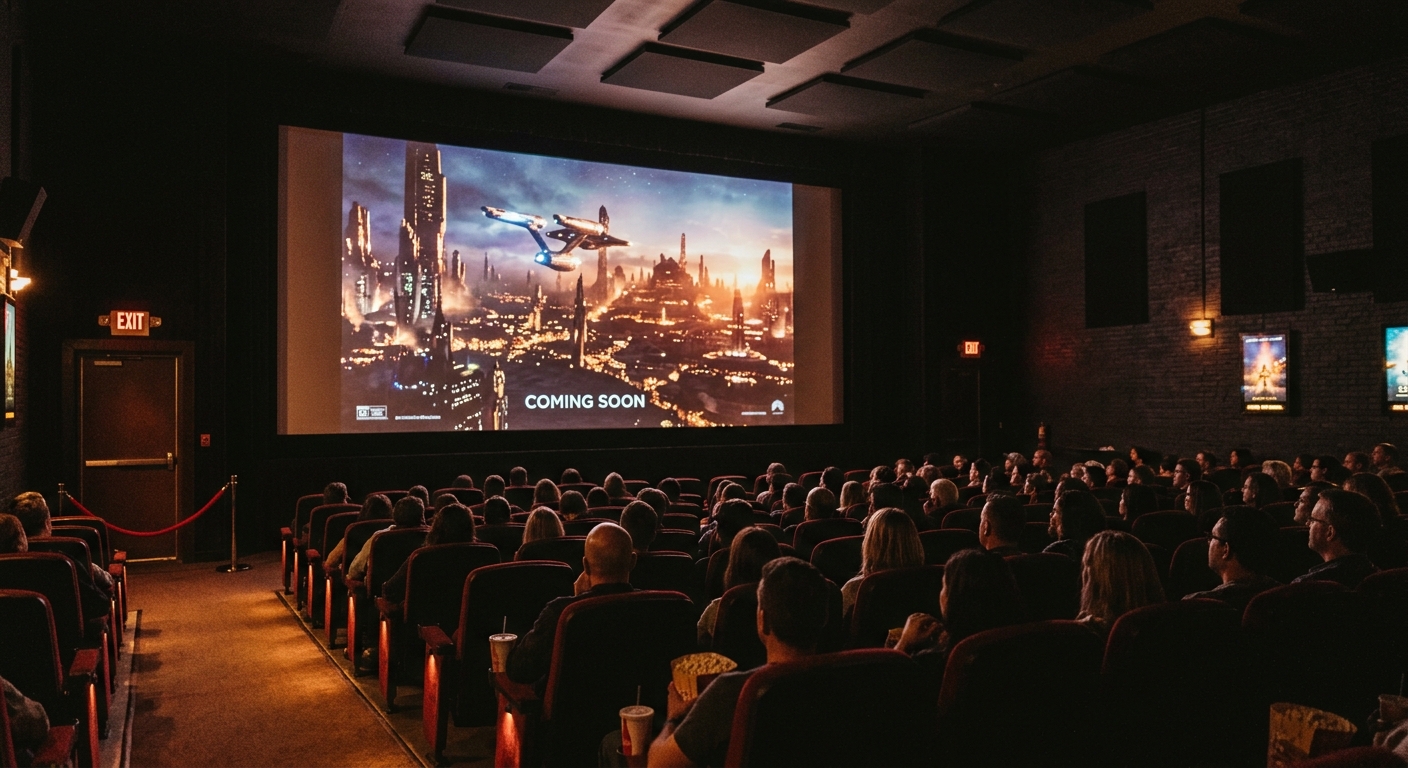
As Skopje prepares for its role as the European Capital of Culture 2028, one question is becoming increasingly important: what happened to the city’s cinemas, and does Skopje have the cultural infrastructure needed for one of Europe’s biggest cultural titles? That question will be at the center of a public discussion at Laboratorium on August 27, bringing together architects, filmmakers, cultural professionals and researchers to examine the disappearance of cinemas and the future of cultural spaces in the Macedonian capital. For decades, Skopje was home to a vibrant cinema culture. Historic theaters such as Kultura, Vardar, Balkan, Napredok, Milenium and Karpoš were places where generations of residents gathered to watch films, attend premieres and experience the city’s cultural life. Today, many of those venues have disappeared, been repurposed or remain closed, leaving the city with far fewer public cinema spaces than it once had.
The discussion is not only about nostalgia. Organizers say the event will focus on a broader issue: how cities lose cultural infrastructure, what happens when public cultural spaces disappear and how Skopje can rebuild a stronger cultural network before 2028. The timing is particularly significant because Skopje is entering an important phase of preparations for its European Capital of Culture program. The initiative is expected to transform the city through hundreds of artistic projects, international partnerships and investments in cultural life, with culture viewed as a long term driver of urban development rather than simply a year of events. The Skopje 2028 Foundation has already launched international calls for cultural projects that will become part of the official program, encouraging artists, institutions and creative organizations to develop initiatives across public spaces, heritage sites and neighborhoods throughout the city.
Participants in the Laboratorium debate are expected to discuss whether Skopje needs new cinemas, how abandoned cultural buildings could be revived and what role independent cultural spaces should play in the city’s future. The conversation will also examine successful European examples of restoring former cinemas and adapting historic buildings for contemporary cultural use. For many residents, the disappearance of cinemas reflects a wider transformation of Skopje’s urban identity. Buildings that once served as meeting places for art and community have gradually vanished from everyday life, raising questions about what kind of cultural city Skopje wants to become. The issue is therefore not simply about bringing back movie theaters, but about creating places where people can regularly gather, experience culture and build stronger connections with their city.
With less than two years remaining before 2028, the debate arrives at a crucial moment for Skopje. The European Capital of Culture title offers an opportunity to bring international attention and investment to the city, but its long term success will depend on what remains after the celebrations are over. Beyond festivals, exhibitions and temporary events, Skopje will need lasting cultural spaces that continue serving residents for years to come. The discussion about the city’s lost cinemas could therefore become part of a much larger conversation about the future of cultural infrastructure and whether Skopje can use 2028 not only to showcase its culture, but also to rebuild the spaces where that culture can thrive.