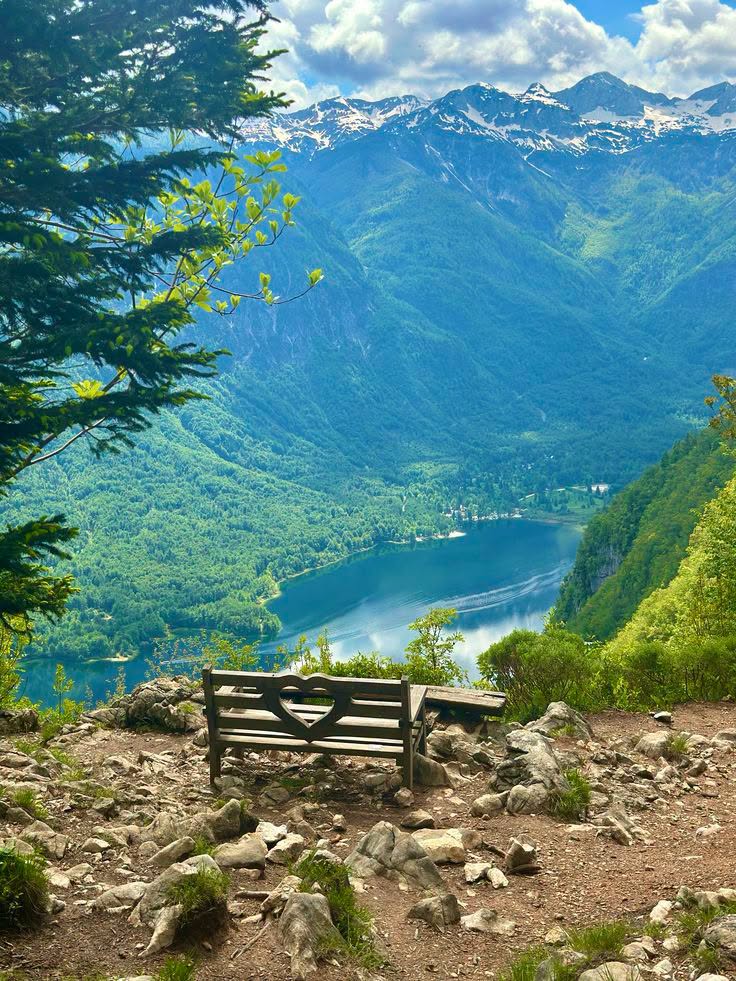
Construction of the Bled bypass in Slovenia is expected to continue next spring, bringing the long planned project another step closer to completion. The bypass is designed to redirect through traffic away from the center of Bled and the area around Lake Bled, where roads can become heavily congested, especially during the busiest tourist periods. Once completed, the southern bypass is expected to provide drivers with an alternative route around the town instead of forcing through traffic onto local roads.
The project has become increasingly important as Bled continues to attract large numbers of visitors from Slovenia and abroad. During the summer season, traffic around the lake can create significant delays for both tourists and local residents. The bypass is intended to reduce that pressure by allowing vehicles travelling through the area to avoid the busiest central roads. For people living in Bled, this could mean less traffic through residential areas, improved road safety and more predictable journeys, while visitors could spend less time stuck in congestion when arriving at one of Slovenia’s most popular destinations.
The wider infrastructure project includes the southern bypass and the Betin intersection, which plays an important role in the road network around Bled. The Betin intersection has already been completed, while construction of the full bypass remains necessary to achieve the project’s broader traffic goals. Slovenia’s Ministry of Infrastructure, the Slovenian Infrastructure Agency and the Municipality of Bled are involved in the project, which is intended to improve traffic flow while reducing the impact of vehicles on the town and the area surrounding the lake.
The expected continuation of construction next spring will therefore be closely watched by residents, businesses and drivers who regularly travel through the area. After years of planning and construction phases, the next stage could bring Bled closer to its long term goal of reducing congestion around the lake. The completed bypass could make a particularly noticeable difference during peak tourist periods, when traffic levels rise sharply. Ultimately, the project is part of a broader effort to balance tourism, local life and transport infrastructure in one of Slovenia’s most visited destinations.