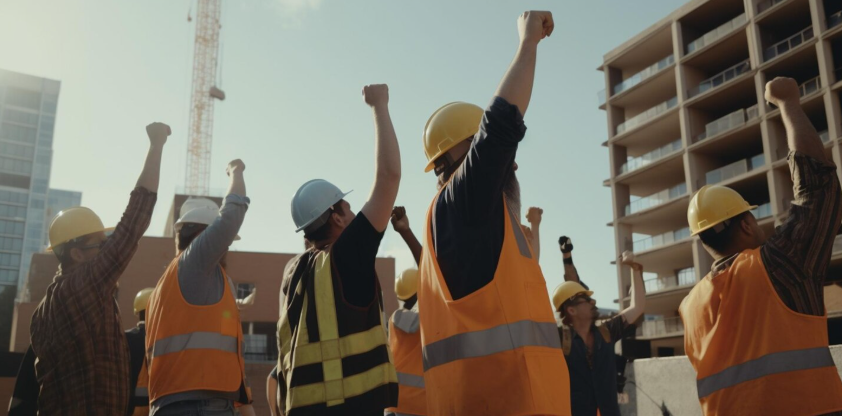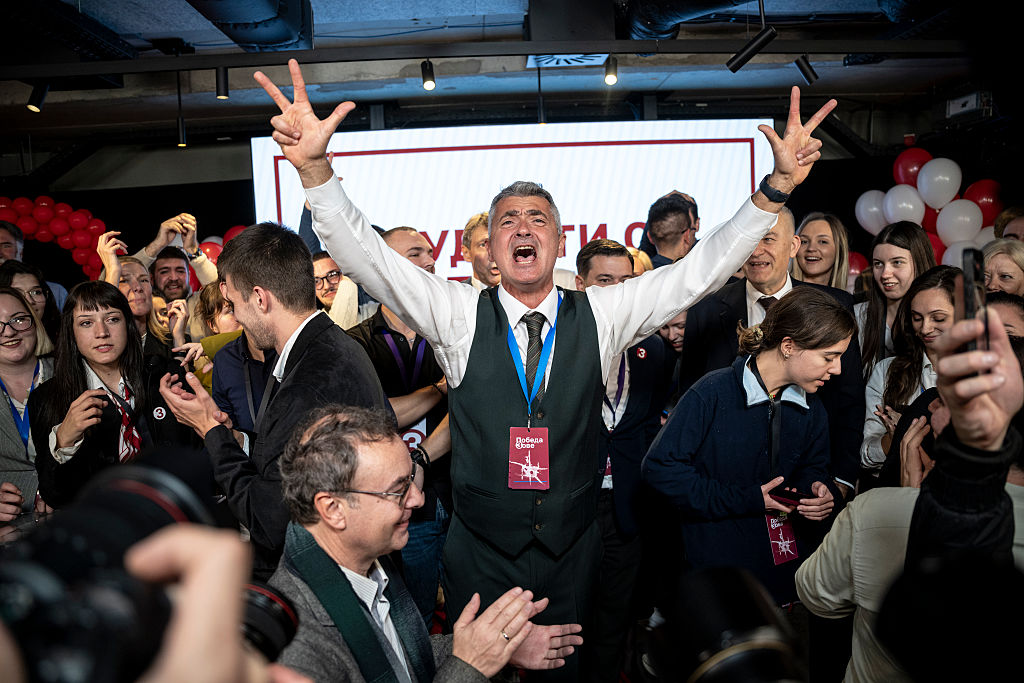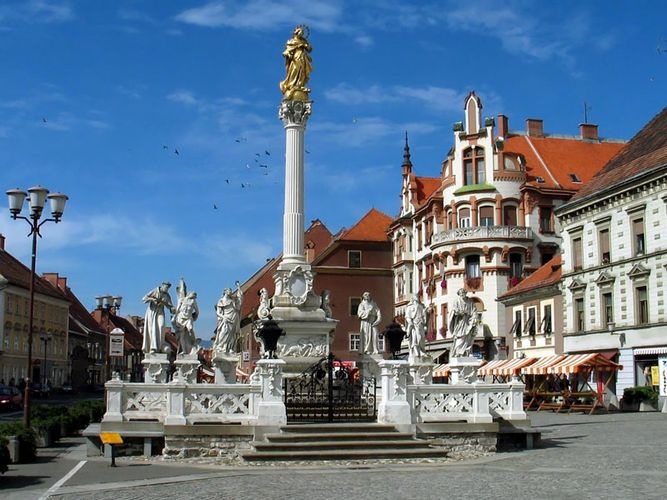
Around 100 people gathered near Maribor’s City Park to protest the recent removal of a chestnut tree avenue on Trubarjeva Street, calling for greater protection of the city’s green spaces. The demonstration followed the cutting down of the trees on August 18 and was organized by the civil initiative Trubarjev zadnji kostanj. Residents questioned whether the mature trees could have been preserved and criticized what they described as a lack of transparency surrounding the decision. Their message was simple: Maribor needs more trees, not more concrete.
For protesters, the issue is about much more than one street. They argue that mature urban trees provide shade, help lower temperatures during increasingly hot summers, improve air quality and make public spaces more comfortable. The group is calling on the City Municipality of Maribor to explain how decisions about public greenery are made and to involve residents and experts more closely in future projects. They say that replacing established trees with young ones does not immediately provide the same environmental benefits, particularly as cities face rising temperatures and growing pressure from climate change.
The municipality has defended the project, saying the renovation of the avenue had been planned for several years and that the tree removal was part of a broader renovation rather than a sudden decision. Officials have also announced plans to plant 12 new trees in the area this autumn. While the planned planting could eventually bring new greenery to Trubarjeva Street, protesters argue that young trees cannot immediately replace mature trees that have provided shade and environmental benefits for decades. The disagreement has therefore shifted toward a broader question about how urban development should be balanced with the preservation of existing green spaces.
The dispute on Trubarjeva Street has become a visible example of the tension between urban renovation and the desire to protect established greenery. Residents want future decisions about mature trees to consider environmental benefits, public participation and possible alternatives before trees are removed. Attention will now turn to the promised planting of 12 new trees and whether the wider renovation can address residents’ concerns. For Maribor, the debate is ultimately about what kind of city it wants to build, and whether future development can create better public spaces without sacrificing the greenery that already makes them valuable.