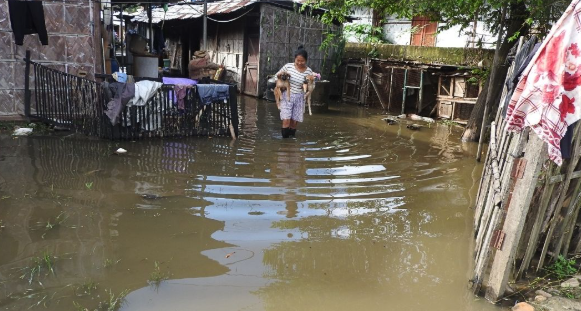
A devastating natural disaster has struck Nepal and parts of the surrounding Himalayan region, with catastrophic floods, landslides and powerful debris flows leaving hundreds of people dead or missing. According to the latest information reported by N1, almost 1,500 people were missing, including at least 800 foreigners, while more than 270 deaths had been confirmed. The scale of the disaster has raised questions about what triggered the sudden movement of enormous amounts of water and rock and why the event became so destructive.
Initial geological analysis indicates that the disaster was not caused by an earthquake, as might initially have been suspected. Instead, the catastrophe appears to have been connected to the collapse of a large mass of glacier ice, which then triggered the movement of huge quantities of rock and other material. The resulting floods, landslides and debris flows swept through areas with enormous force, creating conditions that made it extremely difficult for people to escape. Experts are now examining the geological processes behind the event to better understand how such disasters can develop in mountainous regions.
The tragedy has also raised wider questions about the risks facing communities located near glaciers, steep mountain slopes and river valleys. Nepal is particularly vulnerable to natural hazards because of its mountainous geography, while changing environmental conditions can add further pressure to fragile landscapes. Understanding exactly how the glacier collapse occurred and how the resulting water and rock traveled through the region could help scientists and authorities identify similar risks in the future. Experts are also being asked whether comparable geological processes could pose dangers in other parts of the world, including the Balkans.
For Nepal, the immediate priority remains the search for missing people and assistance to communities affected by the disaster. The high number of missing foreigners has also added an international dimension to the tragedy, with families and authorities waiting for information about those who have not yet been located. As rescue and assessment efforts continue, the disaster is serving as a stark reminder of the destructive power of sudden geological and environmental events and the importance of monitoring vulnerable mountain regions.