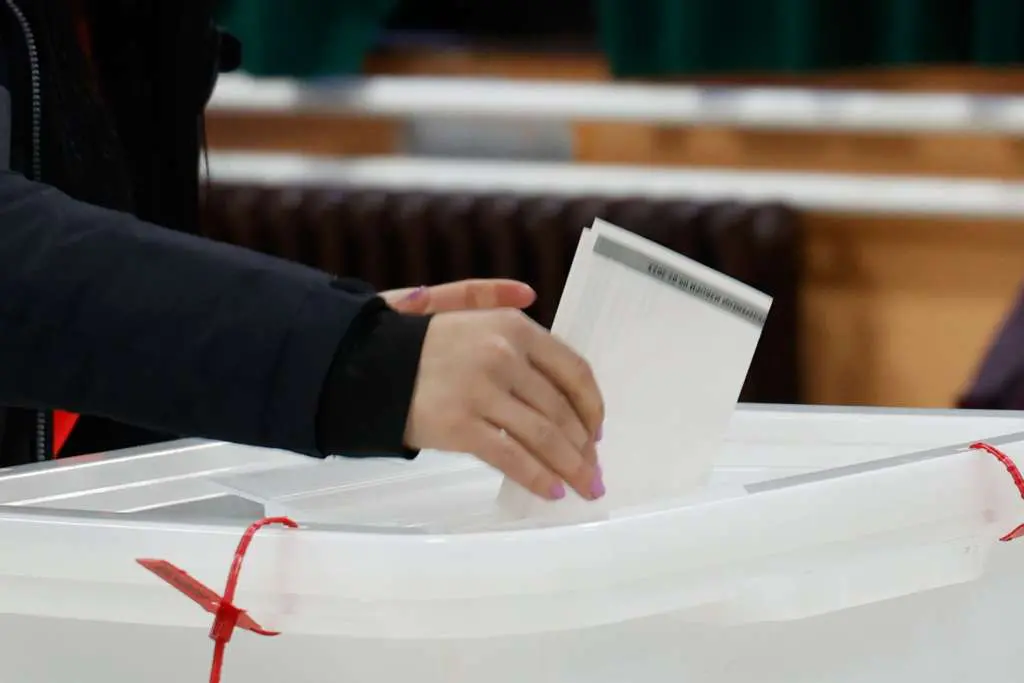
Bosnia election technology could deliver highly reliable preliminary results by about 8 p.m., just one hour after polling stations close. Electronic voter identification, ballot scanners and faster data transmission are expected to reduce opportunities for manipulation.
Dario Jovanović, program manager for the Pod Lupom coalition, said pilot projects showed that results could be transmitted electronically in an average of 92.7 seconds.
During those tests, voting data from all polling locations became available in approximately 90 seconds. Collecting comparable information has sometimes taken as long as 25 days.
However, final results will not be available immediately after polls close. Officials must wait for reports from enough polling stations to ensure that early results from smaller locations do not create a misleading picture.
Jovanović expects a sufficiently large sample to be available by about 8 p.m., showing results from all six electoral races across both entities.
Electronic Identification and Ballot Scanners
Voters will present a valid identification document, including an identity card, passport or driver’s license. The document will be scanned, displaying the voter’s photograph and personal information.
A fingerprint check will provide an additional layer of identity verification. The system is intended to prevent impersonation, multiple voting and artificial increases in turnout using unused ballots.
Candidate names will no longer appear on the main ballot, which will instead show their assigned numbers. Voters will fill in circles rather than mark boxes.
It will also no longer be possible to vote only for individual candidates without selecting their political party or organization.
After voting, each ballot will be inserted into a scanner. The device will photograph both sides, record the vote and automatically place the paper ballot inside the ballot box.
Paper ballots will remain an essential part of the process. All ballots will still be counted manually, allowing election officials to compare electronic and hand-counted results.
Any difference between the two counts would trigger additional scrutiny.
Pod Lupom plans to deploy about 1,000 observers at polling stations on Election Day. Another 57 observers are already monitoring the pre-election process.
Jovanović said new Bosnia election technology could address previous problems such as voting for other people, using unused ballots, adding votes, invalidating opponents’ ballots and later adding candidate preferences.
Backup Plans for Power or Internet Failures
Election devices are equipped with batteries designed to provide up to 12 hours of operation without electricity.
Operators, information technology specialists and replacement devices will also be available. If a technical problem cannot be resolved, voting will continue using the traditional system.
An internet outage should not stop voting either. A device may be taken to another location with an internet connection to transmit the stored data.
As a final option, the device can be delivered to the Main Counting Center in Sarajevo.
Jovanović said the country is entering the elections with significantly stronger Election Day protections. He believes the new system creates the conditions for Bosnia’s fairest and freest Election Day to date.