The Trump administration has asked the U.S. Supreme Court to lift a federal judge’s block on a new U.S. Postal Service rule that would tighten requirements for mail in ballots, setting up a major legal confrontation just two months before the November midterm elections. In an emergency filing on Thursday, the Justice Department urged the justices to overturn a 14 day temporary restraining order issued by Boston based U.S. District Judge Indira Talwani, who found the USPS regulation likely unconstitutional and impossible for states to implement in time for the election.
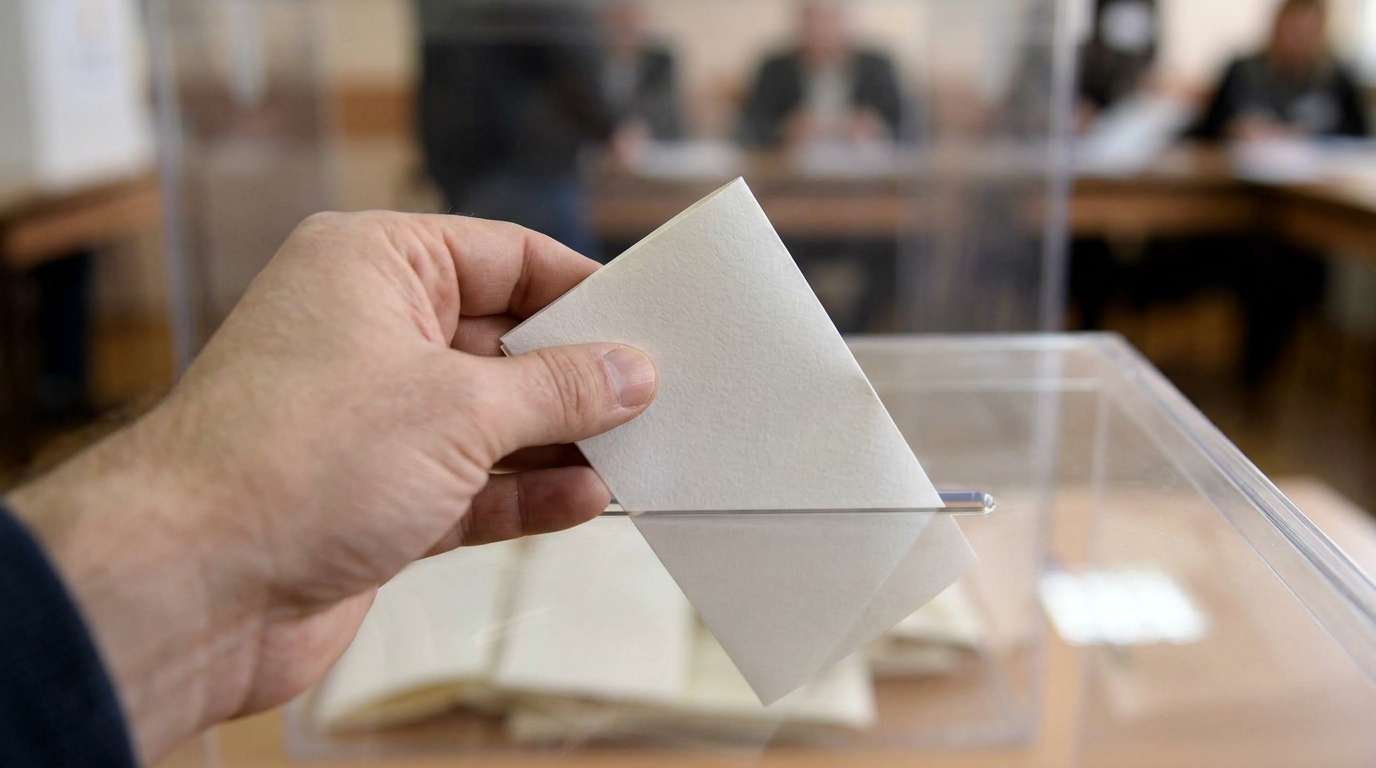
The rule, adopted in response to a March executive order by President Donald Trump, would require states to submit lists of mail ballot recipients to the Postal Service and use agency approved envelopes featuring unique barcodes. USPS would then have the authority to refuse delivery of ballots that do not meet the new requirements, giving the federal agency a more direct role in how election mail is processed.
The legal maneuver represents the administration’s second trip to the Supreme Court over the issue. On August 24, the court’s 6-3 conservative majority lifted an earlier injunction issued by Talwani, ruling that a coalition of mostly Democratic governed states had filed their challenge too early because USPS had not yet finalized the rule. The three liberal justices opposed that decision, which left the door open for a new challenge once the regulation became final.
Within days, 24 states and the District of Columbia filed a new lawsuit, prompting Talwani to issue another temporary restraining order on August 27. Her order blocked the final rule nationwide for 14 days, and she held a hearing on Thursday to consider whether a longer term preliminary injunction should remain in place. Rather than wait for the First Circuit Court of Appeals to act on its request for a stay, the administration went directly to the Supreme Court, arguing that Talwani’s decision undermines USPS efforts to address what it describes as risks involving election mail.
Mail in Ballot Rules Face Immediate Election Pressure
The practical stakes are immediate as states prepare to begin sending absentee ballots. North Carolina is scheduled to start mailing absentee ballots on Friday, with Alabama following shortly afterward. Solicitor General D. John Sauer warned the Supreme Court that once ballot envelopes enter the mailstream, they cannot easily be retrieved, making a quick resolution important for states finalizing their election materials.
Under the proposed system, states would provide USPS with voter names and addresses through an online portal and ensure that outbound and return ballot envelopes carry unique Intelligent Mail barcodes and a federal service identifier. USPS would then compare mailings with the information supplied by states and reject ballots that fail to meet the standards or are addressed to people who do not appear on the state provided lists.
Critics, including the ACLU, the Brennan Center and voting rights organizations, argue that the mail in ballot crackdown effectively gives the federal government greater control over election administration. They contend that the requirements interfere with the constitutional authority of states to conduct their own elections and could create an earlier cutoff that prevents voters from receiving ballots if they register or request them after the proposed 60 day pre election deadline.
The dispute is part of a broader effort by the Trump administration to restrict mail in voting. Trump has repeatedly made claims about widespread fraud in mail voting following his defeat in the 2020 presidential election, although election experts have found widespread mail ballot fraud to be exceedingly rare.
The March executive order, titled “Ensuring Citizenship Verification and Integrity in Federal Elections,” also directs the Department of Homeland Security to compile and transmit citizenship information to states and threatens election officials with prosecution for providing ballots to ineligible voters. A whistleblower report has additionally alleged that USPS has not adequately tested the online portal intended to collect voter information, raising concerns about potential administrative problems.
With Republicans seeking to retain control of Congress in a closely watched midterm election, the Supreme Court’s decision could have significant consequences for how millions of voters receive and return ballots. The case therefore places the mail in ballot crackdown at the center of a broader national debate over election administration, federal authority and access to voting ahead of the 2026 elections.