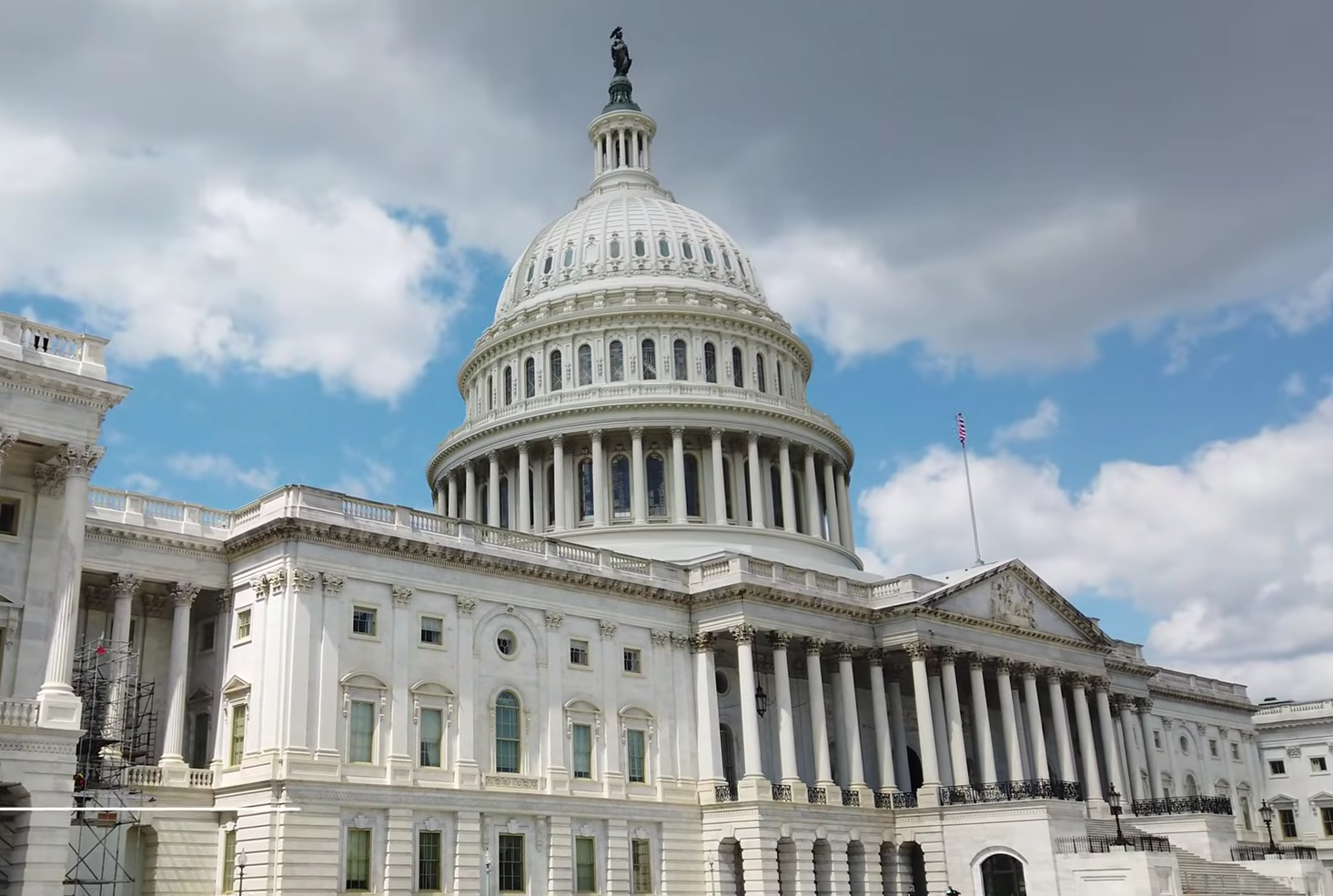
The U.S. House of Representatives has passed the most significant Ukraine related legislation since Donald Trump returned to the White House, approving a sweeping sanctions and tariff bill targeting Russia’s energy and defense sectors. The measure now heads to the president’s desk just days before Congress recesses for the midterm elections.
Formally titled the Lindsey O. Graham Sanctioning Russia and Iran Act of 2026, the bill passed Wednesday by a vote of 262 to 159. Fifty eight Democrats joined all but seven Republicans in supporting the legislation. The bill now awaits Trump’s signature after remaining stalled for more than a year since the late South Carolina senator introduced it in April 2025.
Russia Sanctions Bill Targets Energy and Finance
The Russia sanctions bill is designed to tighten economic pressure on Moscow by codifying existing sanctions into law and targeting Russia’s so called “shadow fleet.” The network of aging tankers and shell companies has helped Russia evade Western price caps and maintain oil revenues that support its war effort.
The legislation mandates sanctions on senior Russian officials, oligarchs, state owned enterprises and major financial institutions, including Sberbank and Gazprombank. It also targets major energy projects such as Yamal LNG and Arctic LNG 2, while prohibiting new U.S. investment in Russia.
Another major provision would direct the president to impose tariffs of up to 100 percent on the top five importers of Russian crude oil and natural gas. The measure is aimed particularly at China, India and Turkey, which together account for a large share of Russia’s energy exports.
The path to passage was marked by political maneuvering. Trump, who has generally preferred to manage tariffs and sanctions through executive action, did not allow Republican leaders to schedule a vote until July 2026, shortly before Graham’s sudden death on July 11.
The Senate eventually passed the bill 86-11 in August after Ukrainian President Volodymyr Zelenskyy met with lawmakers and watched a procedural vote from the Senate chamber. An amendment by Senator Rand Paul to remove the tariff authority failed 32-64, while House Democrats later saw amendments seeking to limit tariff powers and strengthen waiver requirements defeated in the Rules Committee.
Debate Over Trump’s Powers and Graham’s Legacy
Democratic opposition in the House focused largely on concerns that the bill gives Trump broad authority. Minority Leader Hakeem Jeffries argued that loopholes could prevent sanctions from being applied and warned that the legislation could give the president wide latitude to impose tariffs affecting Americans.
The bill allows Trump to waive sanctions by certifying that doing so is in the national interest, a broader standard than is found in many sanctions laws. Supporters also secured commitments from U.S. Trade Representative Jamieson Greer that tariffs would be lifted if countries stopped qualifying as major buyers of Russian oil.
The legislation also exempts European allies that import less than 15 percent of Russia’s gas exports and are taking significant steps to reduce their dependence on Russian energy.
For supporters, the vote was also closely tied to Graham’s legislative legacy. Republican Senator Darline Graham, who was appointed to her late brother’s seat, said the measure was personally significant to her and to Graham’s political goals. House lead sponsor Michael McCaul said passage moved the country closer to what he described as Graham’s vision of lasting peace in Ukraine and beyond.
The bill also extends the Iran Sanctions Act of 1996, which provides the statutory basis for U.S. energy sanctions on Tehran. The law was scheduled to expire on December 31, 2026, and the extension was requested by the Trump administration as it pursues its broader military and economic campaign against Iran.
The legislation comes at a pivotal point in the war in Ukraine. With the conflict in its fourth year and Russia targeting civilian energy infrastructure ahead of winter, supporters argue that additional sanctions could reduce the revenue available to Moscow. Critics, meanwhile, point to the risk of trade disputes with major economic partners and the breadth of the presidential waiver authority.
As the Russia sanctions bill moves to the Oval Office, its passage represents a significant congressional attempt to shape U.S. policy toward Russia through legislation. Its final outcome will also determine whether Graham’s last major legislative initiative becomes law before a new Congress convenes in January.