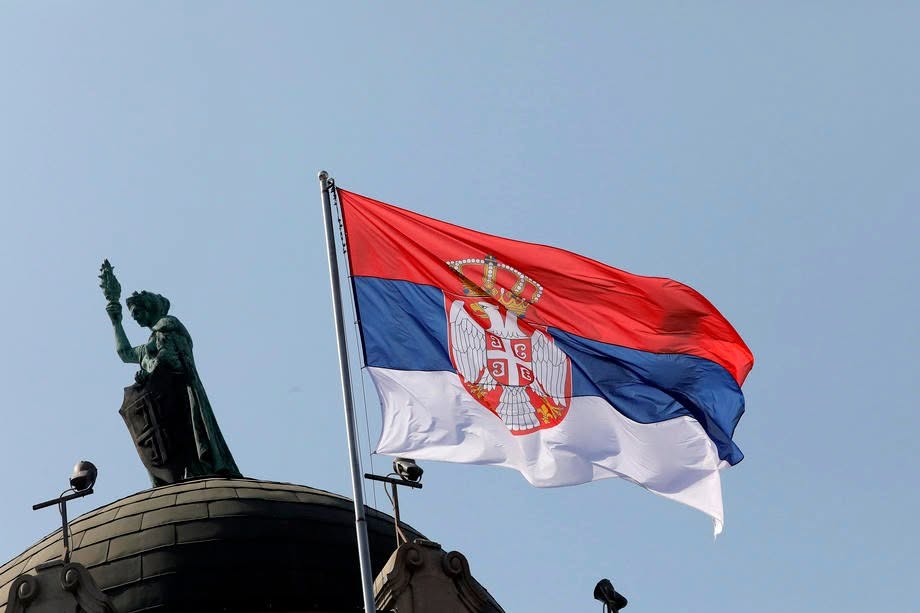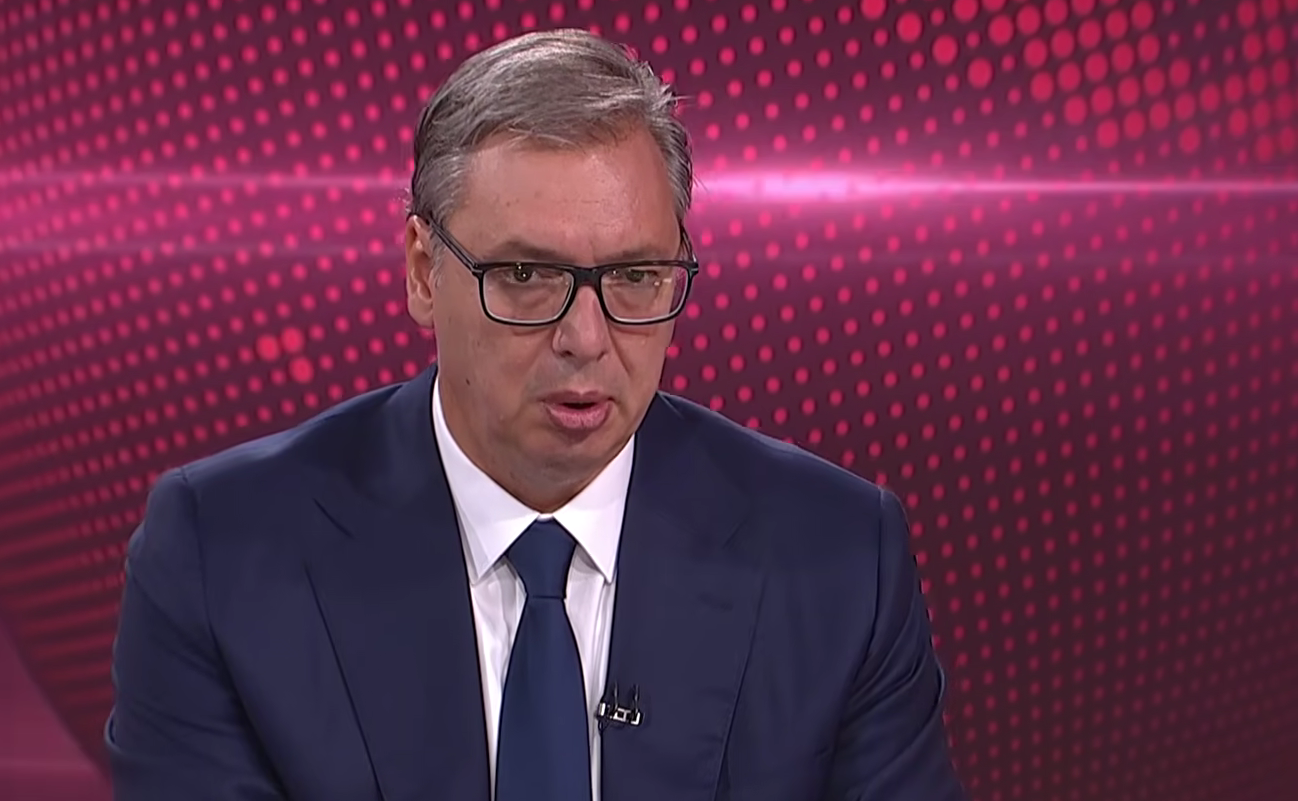
Serbian President Aleksandar Vučić is visiting Ukraine on September 18 to attend the inaugural Carpathian 8 Summit in Bukovel, placing Serbia in a regional forum focused on security, economic development, investment and cross border cooperation. The three day summit, running from September 18 to 20, brings together eight countries, European Union institutions, businesses and international investors to discuss projects connecting the wider Carpathian region.
Vučić’s participation is notable because Serbia has maintained a position on the war in Ukraine that differs from that of most European countries. Belgrade has supported Ukraine’s territorial integrity and backed relevant international positions condemning Russia’s actions, while at the same time refusing to join the EU’s broader sanctions regime against Moscow. That combination has allowed Serbia to maintain political and economic links with Russia while continuing to pursue closer relations with the European Union.
The Carpathian 8 Summit is designed to create a new framework for regional cooperation rather than serving solely as a political meeting about the war. According to the organizers, the initiative brings together Ukraine, Poland, Slovakia, the Czech Republic, Romania, Hungary, Austria and Serbia. Its agenda includes infrastructure, energy, logistics, investment, manufacturing and other areas where cross border cooperation could support economic development. The summit’s investment program includes dozens of projects seeking international financing, underlining the economic dimension of the new format.
For Ukraine, the creation of such a regional platform comes at a time when Kyiv is trying to strengthen economic and political connections with neighboring European countries while the war with Russia continues. The summit gives Ukraine an opportunity to present reconstruction and infrastructure projects to investors while also strengthening regional cooperation. The organizers say the initiative is intended to connect political dialogue with concrete projects involving governments, businesses and local communities.
Serbia’s participation also follows a visit by Vučić to Kyiv in July, when he met Ukrainian President Volodymyr Zelenskiy and pledged additional humanitarian assistance. Reports claim that Serbia had provided around €60 million in non lethal assistance to Ukraine since the beginning of Russia’s full scale invasion and that Vučić reaffirmed Serbia’s recognition of Ukraine’s pre 2014 borders. However, Belgrade did not support a joint declaration calling for increased political, military and economic pressure on Russia.
Serbia’s Ukraine Policy Balances Kyiv and Moscow
That position illustrates the two elements of Serbia’s Ukraine policy. Belgrade officially recognizes Ukraine’s territorial integrity and has condemned Russia’s invasion, but it has stopped short of adopting the sanctions policy followed by the European Union. Serbia’s continued refusal to impose Western sanctions has been linked to its long standing political relationship with Moscow as well as its energy ties with Russia.
Serbia’s position is particularly relevant because the European Union continues to expand and maintain sanctions against Russia. In July, the EU adopted its 21st package of sanctions, targeting areas including energy, financial services, trade and Russia’s military industrial sector. The EU has also continued renewing individual restrictions connected to Russia’s war against Ukraine.
At the same time, Serbia has aligned itself with some EU restrictive measures concerning Russia and Ukraine. EU records show that Serbia joined certain decisions involving restrictive measures related to Russia’s actions against Ukraine, including a February 2026 decision concerning areas of Ukraine occupied or controlled by Russia. This means Belgrade’s position is not simply one of rejecting every European measure, but rather of selectively aligning with some EU decisions while maintaining its separate policy on the broader sanctions regime.
The distinction is important for Serbia’s European ambitions. The country remains an EU candidate and has continued negotiations with Brussels, meaning its foreign policy alignment with the Union remains an important part of its accession process. The EU’s approach to Russia has become a major foreign policy test for candidate countries, particularly because membership requires increasing alignment with the bloc’s common foreign and security policy.
Vučić’s appearance in Ukraine therefore also carries significance beyond the summit itself. By attending an event hosted in Ukraine alongside EU linked regional partners, Serbia is demonstrating that it wants to participate in discussions about the region’s economic and infrastructure future. The presence does not, however, indicate that Belgrade has abandoned its existing policy toward Moscow. Instead, it comes alongside Serbia’s continued effort to maintain channels with both European partners and Russia.
The wider security situation makes the summit particularly significant. Fighting and Russian attacks on Ukraine remain intense, while European governments are discussing how to strengthen support for Kyiv and respond to potential security incidents beyond Ukraine’s borders. Polish Prime Minister Donald Tusk, who is also traveling to Ukraine, has warned about the possibility of hybrid incidents involving drones or missiles and has called for continued coordination among European countries supporting Kyiv.
The broader European response has also included additional financial and security assistance for Ukraine. On September 18, Ukraine received a €3.3 billion tranche from an EU support loan, with the Ukrainian government saying the funds would be used for critical defense needs. The development highlights the growing scale of European involvement in Ukraine’s wartime economy and security as the conflict continues.
Carpathian 8 Summit Highlights Regional Cooperation
For Serbia, the challenge is to maintain relationships with different sides while protecting its own foreign policy priorities. Its position on Ukraine’s territorial integrity is also connected to its longstanding position on Kosovo, because Belgrade has consistently emphasized the principle that territorial borders should not be changed without agreement or legal justification. Ukraine, meanwhile, does not recognize Kosovo’s independence, creating an additional point of convergence between the two countries.
Economic cooperation could provide another area where Serbia and Ukraine maintain practical ties despite their different approaches to the wider geopolitical environment. The Carpathian initiative places infrastructure, energy, logistics and investment at the center of its agenda, areas that require cooperation between neighboring countries regardless of their differing foreign policy positions. Serbia’s participation gives Belgrade an opportunity to remain involved in these emerging regional networks.
The summit also comes as Ukraine looks beyond the immediate war toward reconstruction and longer term economic integration. Projects involving transportation, energy infrastructure, manufacturing and investment are expected to become increasingly important as Ukraine works to strengthen its economy and prepare for future reconstruction. The Carpathian 8 framework is intended to bring governments and private investors together around some of these projects.
Vučić’s visit therefore reflects the complexity of Serbia’s Ukraine policy. Belgrade continues to support Ukraine’s territorial integrity and provide humanitarian assistance, while simultaneously maintaining its refusal to join the wider Western sanctions campaign against Russia. At the same time, Serbia remains interested in EU integration and in participating in regional economic initiatives that increasingly involve Ukraine and EU member states.
The Carpathian 8 Summit provides a visible example of that balancing policy. Serbia is taking part in a new regional framework centered on cooperation with Ukraine and several EU countries, while its broader relationship with Moscow remains an important part of its foreign policy. Whether this approach can remain sustainable as European pressure for closer alignment with EU foreign policy continues will remain an important issue for Serbia.
For now, Vučić’s presence in Bukovel shows that Belgrade wants a role in discussions about the region’s security, infrastructure and economic future. His participation does not erase Serbia’s differences with the EU over sanctions against Russia, but it demonstrates that Serbia continues to engage directly with Ukraine and European partners. The Carpathian 8 Summit thus places Serbia’s carefully balanced foreign policy in a broader regional setting where economic cooperation, European integration and the continuing war in Ukraine are increasingly interconnected.