Montenegro has signed a €50 million loan agreement with the European Bank for Reconstruction and Development (EBRD) to modernize a 39 kilometer section of railway connecting Golubovci and Bar. The project is part of a wider investment package worth more than €225 million, combining international loans and European Union grants to improve railway infrastructure, strengthen regional transport links and support Montenegro’s access to European markets.
The planned works include track renewal, the reconstruction of railway stations and bridges, and upgrades to signaling, telecommunications and power systems. The investment is another step in Montenegro’s long term effort to modernize its railway network, particularly the route connecting the capital region with the Port of Bar, a major gateway for international trade and maritime transport.
Montenegro Railway Modernization Backed by €225 Million Investment
The €50 million EBRD loan forms part of a broader financial package exceeding €225 million. Alongside the EBRD contribution, the funding includes approximately €112.6 million in grants from the European Union and €63 million in loans from the European Investment Bank (EIB). This combination of loans and grants is designed to finance a major infrastructure project while distributing costs among several international partners.
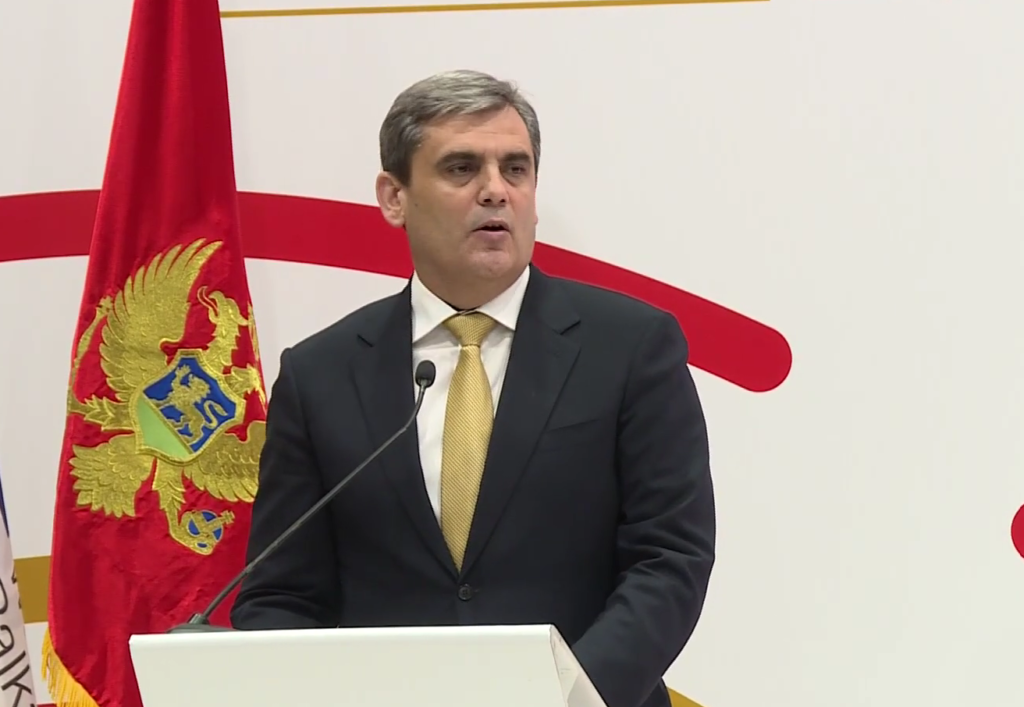
The agreements were signed by Montenegrin Finance Minister Novica Vuković and EBRD Executive Director for South Eastern Europe Gregož Zjelinski. The project contract involved Transport Minister Radoš Zečević and representatives of Montenegro’s railway infrastructure authorities. The signing took place in the presence of a representative of the European Union Delegation to Montenegro, highlighting cooperation between national institutions and European partners.
The construction and rehabilitation work will cover several critical parts of the railway. In addition to track renewal, three railway stations and 11 bridges are scheduled for reconstruction. The project also includes improvements to signaling, railway safety systems, telecommunications infrastructure and electrical equipment, with the aim of creating more dependable conditions for passenger and freight services.
For passengers, improved infrastructure could mean more reliable journeys and shorter travel times. Businesses, particularly those involved in shipping and logistics, could benefit from lower operating costs and more predictable freight transport. However, the results will depend on the quality of implementation, the condition of the wider railway network and how effectively the upgraded section connects with other transport infrastructure.
The Port of Bar is central to the project’s economic significance. By improving the railway corridor between the port and the Podgorica area, Montenegro aims to strengthen the movement of goods between maritime transport and inland markets. The route also forms part of a wider regional connection involving neighboring Serbia and the European transport network. More efficient rail links could support trade and improve the competitiveness of Montenegro’s logistics sector, although the full impact will depend on demand, cross border coordination and the performance of connected infrastructure.
EU Transport Strategy and Long Term Railway Reforms
The project supports the European Union’s broader transport strategy for the Western Balkans. The Golubovci–Bar railway is part of the Trans European Transport Network, which seeks to improve connectivity between European countries through coordinated investment in transport infrastructure. Modern railways are an important part of this strategy because they can offer an alternative to road transport for both passengers and freight.
European Union support is particularly relevant as Montenegro continues to pursue closer integration with European institutions and markets. Combining grants with development bank loans allows countries to undertake large infrastructure projects that might otherwise be difficult to finance entirely through national budgets. European officials have identified the railway upgrade as a priority because of its potential to improve regional connections and encourage transport systems with lower environmental impacts.
Environmental considerations are another important element of the investment. Rail transport can produce lower emissions per passenger or tone of freight than road transport, depending on electricity sources, vehicle efficiency and infrastructure use. By improving the railway’s reliability and capacity, Montenegro hopes to encourage more transport activity to shift from roads to rail. Achieving that goal will require competitive services, effective scheduling and coordination with freight operators and other transport providers.
Beyond physical construction, the investment includes institutional reforms intended to strengthen the railway sector. Technical assistance will support Montenegro’s newly established independent Railway Agency and help improve oversight and governance. The project also includes measures to strengthen the railway operator’s cybersecurity systems in line with internationally recognized standards. These elements reflect the growing importance of digital infrastructure and institutional capacity in maintaining safe and dependable transport networks.
The EBRD has supported Montenegro’s railway modernization efforts for nearly two decades. Since 2007, the bank has provided three earlier loans totaling €51 million for railway rehabilitation, emergency repairs and the purchase of maintenance equipment. The new €50 million agreement extends that cooperation and forms part of a broader effort to improve the country’s transport infrastructure.
Despite the scale of the financial package, the project’s long term success will depend on practical implementation. Construction schedules, procurement procedures, cost management and coordination among the institutions involved will influence how quickly improvements become visible. Maintaining the upgraded infrastructure will also require sufficient funding and technical capacity after construction is completed.
The Golubovci–Bar railway modernization is therefore more than a local infrastructure project. It is part of Montenegro’s wider effort to improve connections between its main transport routes, strengthen access to international markets and modernize a railway sector that plays an important role in trade and mobility. The involvement of the EBRD, EIB and European Union provides significant financial and technical support while linking the project to broader regional transport priorities.
With the agreements now signed, attention turns to the start and progress of construction. If the planned works are completed effectively, the upgraded railway could improve the movement of people and goods, reinforce the role of the Port of Bar and strengthen Montenegro’s links with neighboring countries and European markets. The project’s eventual impact will be measured not only by the kilometers of track renewed, but also by whether the investment delivers safer, more reliable and more sustainable transport services over the long term.