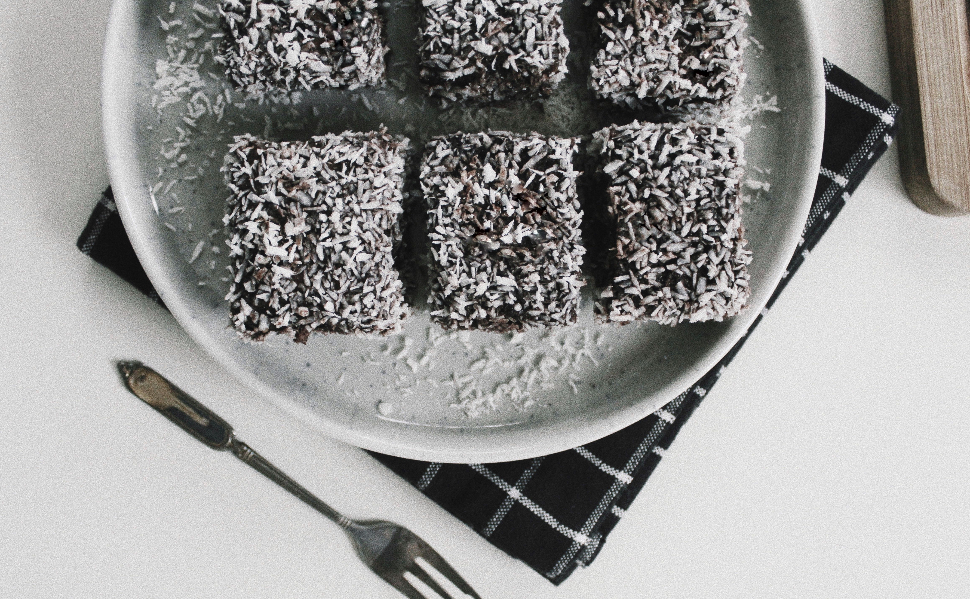
For generations of families across the former Yugoslavia, čupavci were a For generations of families across the former Yugoslavia, čupavci were a familiar part of childhood. These soft sponge cake squares, dipped in chocolate and covered with shredded coconut, appeared at birthdays and family gatherings.
Even today, the dessert brings back memories of homemade cakes, handwritten recipes and afternoons spent in the kitchen.
The Yugoslav cupavci recipe remains popular because it uses simple ingredients and requires no special baking skills. Better still, the cakes taste delicious after resting, making them a convenient dessert to prepare ahead of time.
Why Čupavci Remain a Favorite Across the Balkans
The name čupavci roughly translates to “shaggy ones,” a reference to the coconut flakes covering each cake square.
Although the dessert resembles Australian lamingtons, čupavci became a familiar part of home baking throughout the former Yugoslavia.
Because the ingredients were affordable and easy to find, families could prepare a large batch without spending much money. The cakes were also easy to serve, so they became a popular choice for celebrations.
In many households, children helped roll the chocolate-covered squares in coconut. As a result, making čupavci often became a family activity.
Today, people across Serbia, Croatia, Bosnia and Herzegovina, Macedonia, Montenegro and Slovenia continue to prepare their own versions.
Some recipes use a lighter sponge, while others include extra chocolate or a richer coating. However, the basic combination remains the same: soft cake, chocolate and coconut.
Food website Balkan Lunch Box also features this traditional Balkan dessert.
Traditional Yugoslav Cupavci Recipe
Preparation time: 20 minutes
Baking time: 20–25 minutes
Servings: Approximately 20–24 squares
Ingredients
For the sponge cake:
- 4 eggs
- 150 g (¾ cup) sugar
- 120 ml (½ cup) milk
- 120 ml (½ cup) vegetable oil
- 250 g (2 cups) all-purpose flour
- 2 teaspoons baking powder
- 1 teaspoon vanilla extract
For the chocolate coating:
- 150 g (5.3 oz) dark chocolate
- 200 ml (approximately ¾ cup plus 1 tablespoon) milk
- 100 g (7 tablespoons) butter
- 80 g (approximately ⅓ cup plus 1 tablespoon) sugar
- 2 tablespoons cocoa powder
For the coconut coating:
- 150–200 g shredded coconut
Preparation
- Prepare the oven. Preheat it to 180°C (350°F). Meanwhile, line a rectangular baking pan, approximately 23 × 33 cm (9 × 13 inches), with parchment paper.
- Mix the wet ingredients. In a large bowl, beat the eggs and sugar until pale and fluffy. Next, add the vanilla extract, milk and vegetable oil. Stir until combined.
- Add the flour. In a separate bowl, combine the flour and baking powder. Then, gradually fold the dry ingredients into the egg mixture until the batter becomes smooth.
- Bake the sponge. Pour the batter into the prepared pan and spread it evenly. Bake for approximately 20–25 minutes, or until a toothpick inserted into the center comes out clean.
- Cool and cut. Allow the cake to cool completely. Once cooled, cut it into evenly sized squares.
- Prepare the chocolate coating. Place the milk, butter, sugar, cocoa powder and dark chocolate in a saucepan. Heat gently while stirring until everything melts and the mixture becomes smooth. Avoid boiling.
- Dip the cake squares. Carefully place each square into the warm chocolate mixture. Turn it briefly to coat every side. Afterward, allow any excess chocolate to drip off.
- Coat with coconut. While the chocolate is still wet, roll each square in shredded coconut. Cover every side evenly before placing the finished cake on a tray.
- Let the cakes set. Arrange the finished čupavci on a tray. Finally, leave them at room temperature until the coating sets, or refrigerate them for a firmer texture.
A Little Taste of Yugoslav Nostalgia
For the best results, prepare čupavci several hours before serving. This allows the chocolate coating to set while the sponge stays soft.
In addition, you can store the cakes in an airtight container in the refrigerator for several days. As a result, they are a convenient dessert to make ahead of a family gathering.
Although modern bakeries offer countless elaborate desserts, this homemade classic still holds a special place in Balkan kitchens.
For anyone who grew up eating them, čupavci are more than chocolate-covered cake squares. Instead, they represent a familiar taste of childhood.
And for those discovering them for the first time, this Yugoslav cupavci recipe offers an easy introduction to a dessert loved by generations.