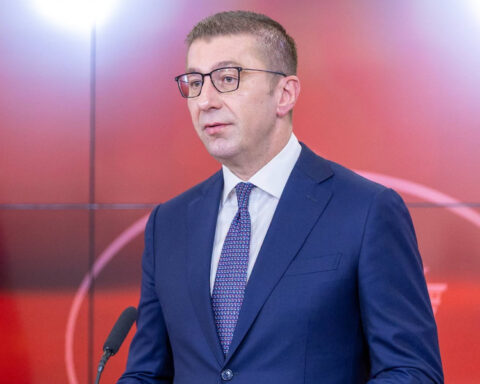
Speaking at a ceremony marking October 23, Macedonian Revolutionary Struggle Day, Prime Minister Hristijan Mickoski warned of possible attempts to destabilize the country, defended Macedonia’s historical identity and described the path toward European Union membership as a marathon requiring patience and strategic thinking.
Prime Minister Hristijan Mickoski warned Friday that growing unrest across Europe and the Balkans could affect Macedonia, raising concerns about potential attempts to bring regional tensions into the country.
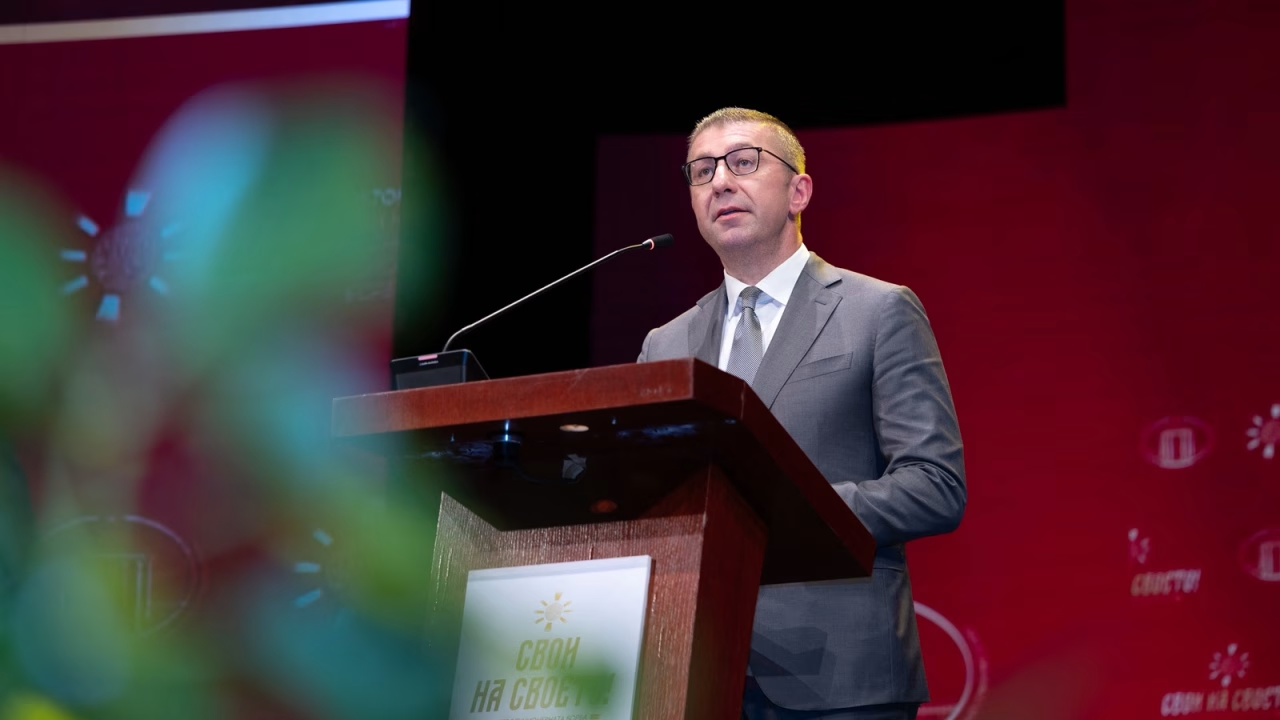
Speaking at a ceremonial academy in Skopje marking October 23, Macedonian Revolutionary Struggle Day, under the motto “Our Own on Our Own Soil,” Mickoski said reason was increasingly giving way to violence and warned that domestic political actors could become involved in destabilizing activities for personal gain.
“The Balkans are no longer the only powder keg. Europe is becoming an unquiet volcano. Less and less, reason is being heard, while every day we see protests and violence in various forms across Europe and among our neighbors,” Mickoski said.
He added that regional security services remained active and said he would not be surprised if some actors attempted to involve Macedonia in problems originating elsewhere.
Mickoski also accused some opposition figures of being susceptible to political provocations in exchange for money or promises of political positions. He called on citizens to remain alert and avoid provocations and what he described as artificially imposed issues and exaggerated ethnic themes.
EU Integration: A Marathon, Not a Sprint
A significant part of Mickoski’s address focused on Macedonia’s European integration process and the country’s relationship with Bulgaria.
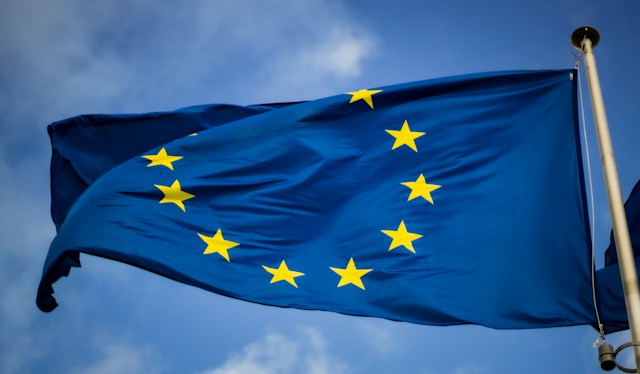
The prime minister said Macedonia’s place was at the same negotiating table as all European Union member states, where it could clearly and unequivocally present its positions.
He described the country’s EU path as a long-term challenge, saying his government was not running a short race but a marathon requiring patience, persistence and strategic thinking.
Mickoski also stressed that negotiations were not a contest of strength but a game of chess, in which wisdom and carefully considered moves were essential.
Addressing Sofia, he argued that historical disputes and disagreements surrounding Macedonia’s revolutionary figures must not become a reason for the country to abandon its own historical memory.
He maintained that the disputes intensified after Bulgaria joined the European Union should not serve as justification for Macedonia to renounce its revolutionary figures or historical heritage.
The remarks reflect the continuing tensions surrounding Macedonia’s EU accession process and disagreements with Bulgaria over historical and identity-related issues.
Economic Development and National Responsibility
Beyond regional security and European integration, Mickoski addressed the government’s economic and infrastructure agenda, referring to economic growth, the construction of major transport corridors, electricity transmission infrastructure and other development priorities.
He presented these efforts as part of the broader challenge of building a stronger state while navigating domestic and international pressures.
The prime minister linked the country’s future to the legacy of the Macedonian revolutionary movement, emphasizing the importance of preserving historical memory while creating better prospects for future generations.
Ceremony Marks the 1893 Founding of VMRO
The October 23 holiday commemorates the Macedonian revolutionary movement and the establishment of the Internal Macedonian Revolutionary Organization (VMRO) in 1893, a landmark in Macedonia’s historical narrative.
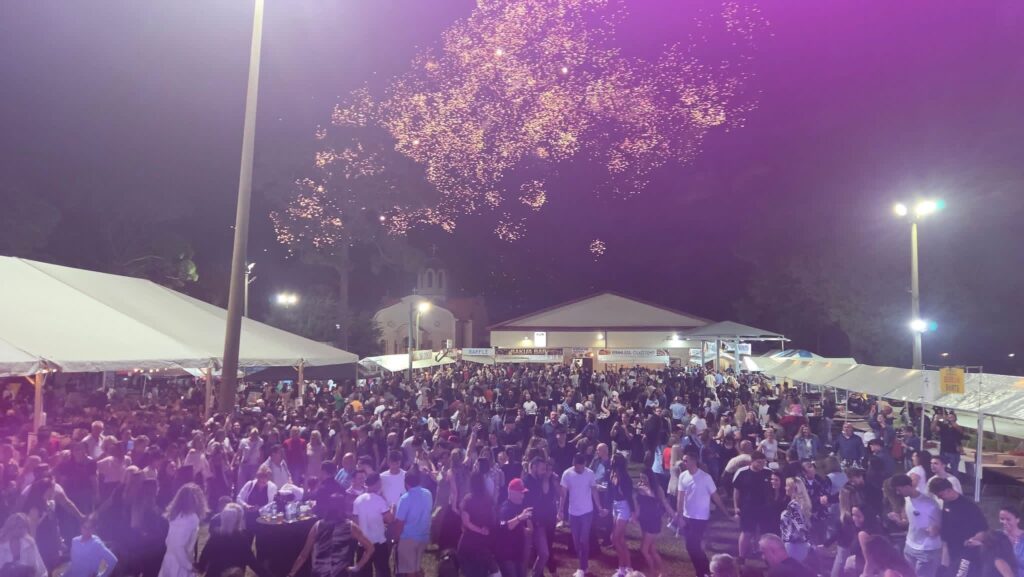
The ceremonial academy was attended by government ministers, officials, the head of the Macedonian Orthodox Church, representatives of the Islamic Religious Community and party members and supporters.
Under the motto “Our Own on Our Own Soil,” the event combined commemorations of the revolutionary movement with messages about national identity, economic development, political responsibility and Macedonia’s future in Europe.