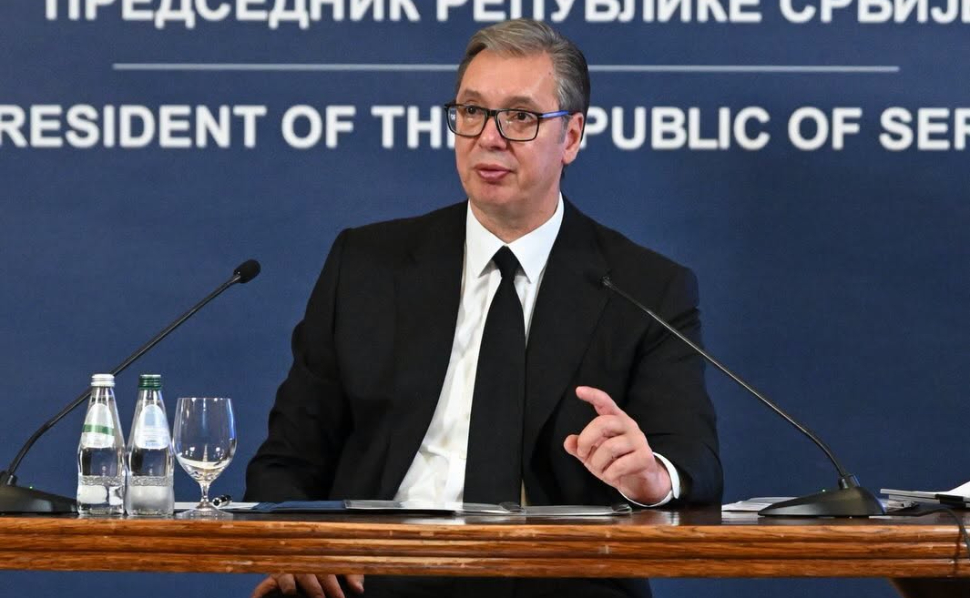
Former Serbian President Aleksandar Vučić has blamed what he calls the American “deep state,” European countries and independent media for his coalition’s defeat in Serbia’s parliamentary elections. He claimed that forces opposed to US President Donald Trump helped bring down his political movement, but offered no evidence to support the accusations.
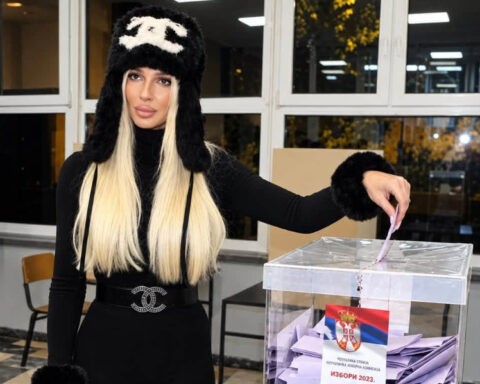
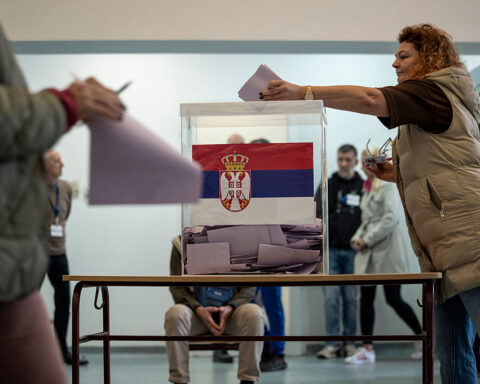
Vučić acknowledged the victory of the student-backed electoral list following Sunday’s parliamentary vote on October 25.
Speaking at the headquarters of his Serbian Progressive Party (SNS), he accused foreign governments and political groups of interfering in Serbia’s domestic affairs.
He described the election result as the outcome of a political campaign supported by outside forces.
Vučić Accuses Foreign Powers of Interference
Vučić claimed that several European countries and elements of the American political establishment had supported efforts to remove his coalition from power.
He specifically referred to what he called the American “deep state,” which he described as hostile to President Trump.
He did not present evidence that American officials or European governments had organized the alleged interference.
Although Vučić congratulated the student-backed list, he questioned the independence of the movement.
He alleged that its representatives were carrying out plans developed by others to undermine Serbia’s sovereignty.
The accusations came after preliminary projections indicated that the Students’ List had secured a parliamentary majority.
Vučić estimated that the student-backed movement would win between 135 and 140 seats in Serbia’s 250-member parliament. His political coalition was projected to receive approximately 105 seats.
Official results had not yet been finalized.
Criticism of Independent Media and Predictions About Russia
Vučić also criticized Serbia’s independent television networks N1 and Nova S.
He accused their journalists of spreading false information and working against his government, without providing evidence for those allegations.
The former president further predicted that Serbia’s next government would introduce sanctions against Russia by March or April.
He presented the possibility as evidence of foreign influence over the country’s political future.
However, the statement was his prediction rather than an announced policy decision by the incoming leadership.
Vučić also revisited allegations concerning the possible use of a sonic weapon during a major protest in Belgrade in March 2025.
He sarcastically suggested that authorities should prosecute him over the controversy. He had previously denied allegations that such a weapon was used against demonstrators.
The election defeat followed nearly two years of student-led protests that began after the November 2024 railway station canopy collapse in Novi Sad, which killed 16 people.
The tragedy sparked nationwide demonstrations demanding accountability and stronger public institutions.
While Vučić has accepted his coalition’s electoral defeat, his latest remarks indicate that he continues to challenge the legitimacy of the political forces that defeated him.