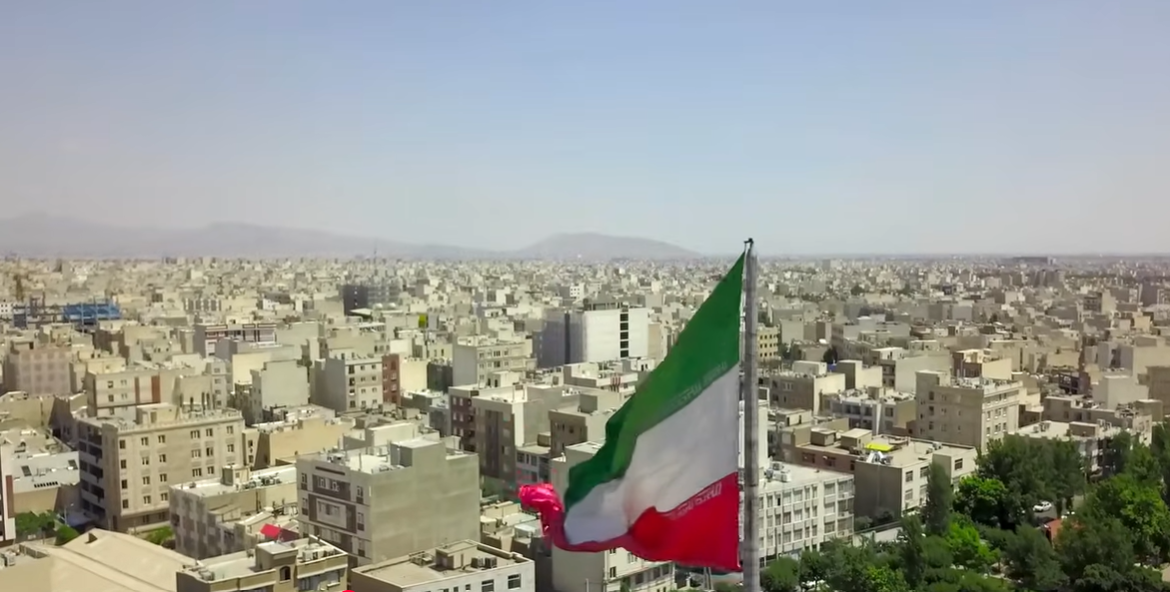
As Donald Trump threatens to “finish the job” and Benjamin Netanyahu calls for the removal of Iran’s leadership, residents of Tehran are stockpiling supplies and considering leaving the city amid fears of renewed attacks following elections in the United States and Israel.
Eight months into the war, fears of a return to full-scale conflict are growing across Iran as U.S. and Israeli leaders intensify their rhetoric and Tehran shows little sign of backing down.
With a third aircraft carrier and thousands of additional American troops deployed to the region, some Iranians fear that new strikes could follow the U.S. congressional elections scheduled for November 3.
Residents interviewed by The Associated Press described growing anxiety and preparations for a possible escalation.
Feresteh Hajipour, 35, a mother of a young child, said she was stockpiling medicines and over-the-counter supplies, along with food, in anticipation of what she fears could be a renewed war involving heavier bombing.
Iranian authorities are reportedly preparing for multiple scenarios as tensions with Washington continue to rise.
“Iran’s leadership believes Trump will probably order new attacks regardless of the congressional election results,” said Sasan Karimi, a former government official and foreign policy professor at the University of Tehran, according to the report.
Iran Warns of New Targets in the Region
Iran has renewed threats against U.S. military bases and American allies in the Middle East, warning that it could target additional infrastructure, including undersea data cables passing through the Strait of Hormuz.
The strategic waterway is a major route for global energy shipments, making any escalation in the area a potential concern for international markets and regional security.
Aylon Levy, a former Israeli government spokesperson, also warned that renewed war with Iran could become increasingly likely after the U.S. congressional elections.
“I think a return to war with Iran is extremely likely after the congressional elections,” Levy told Euronews, arguing that the current situation between Israel and Iran cannot remain sustainable in the long term.
Levy suggested that Trump may be reluctant to escalate the conflict before the U.S. elections because of the risk that higher oil prices could affect the political environment.
He also said Netanyahu could pursue a more decisive outcome in the event of renewed hostilities, potentially seeking to remove Iran’s leadership from power.
Israel’s Election Adds to Regional Uncertainty
Israel’s parliamentary elections are adding another layer of uncertainty to an already volatile regional situation.
According to the report, Netanyahu faced a serious challenge from former Israeli military chief Gadi Eisenkot, with polls published on Friday indicating a close contest.
Early turnout figures cited in the report showed that 16.7% of eligible voters had cast ballots by 10 a.m., representing approximately 1.2 million people. The reported participation rate was the highest for that time of day since 1981.
Levy argued that a possible departure of Netanyahu from office could bring significant changes within Israel and create opportunities for cooperation among political parties that have struggled to overcome longstanding divisions over his leadership.
Civilians Brace for the Possibility of Escalation
For residents of Tehran, the growing political and military tensions have translated into practical preparations for an uncertain future.
Some are gathering essential supplies, while others are considering leaving the capital if attacks resume. Families with young children are particularly concerned about the possibility of heavier bombardment and disruptions to everyday life.
Although the timing and likelihood of any new military action remain uncertain, the deployment of U.S. forces, renewed Iranian threats and increasingly forceful rhetoric from Israeli leaders have heightened fears that the region could once again face a broader conflict.