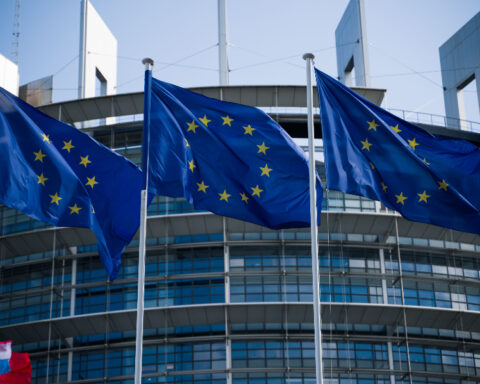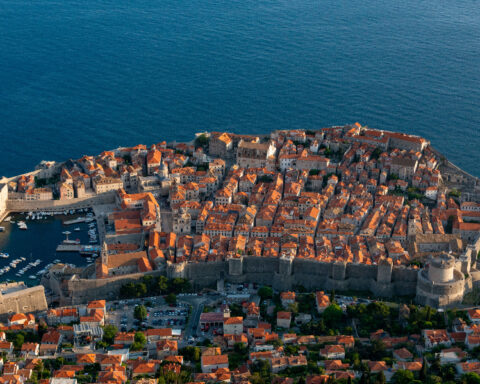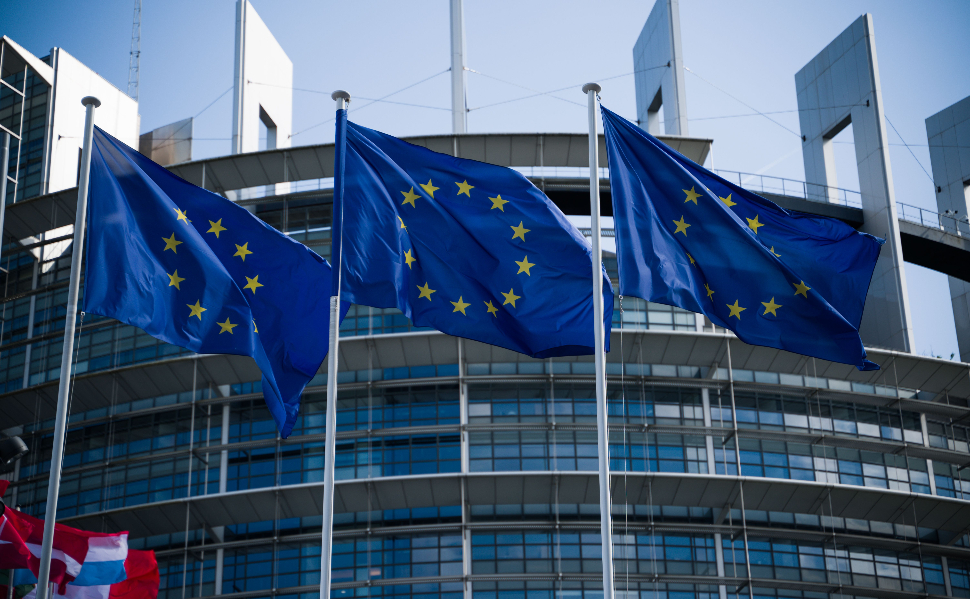
Montenegro could join the European Union in 2028, German Chancellor Friedrich Merz said during the Berlin Process Summit, offering fresh encouragement to the Balkan country as it approaches the final stages of accession negotiations.
Merz expressed confidence that Montenegro and neighboring Croatia could resolve their outstanding disagreements without delaying the country’s European ambitions.
The comments came during a summit in Miločer, Montenegro, where European leaders discussed the future of the Western Balkans and the EU enlargement process.
Germany Supports Montenegro’s EU Membership Goal
Merz said Montenegro’s membership in 2028 was a realistic possibility, provided the country continues making progress toward meeting EU requirements.
Austrian Chancellor Christian Stocker also expressed support for Montenegro’s European ambitions.
Stocker argued that bilateral disputes should not delay the enlargement process, which he described as strategically important for Europe.
Montenegro has been negotiating EU membership since 2012 and has made substantial progress in recent years.
According to information presented at the summit, the country has provisionally closed 21 of its 33 negotiating chapters.
However, several important reforms remain unfinished, particularly those related to the rule of law.
Montenegrin Prime Minister Milojko Spajic said his government hopes to complete the remaining negotiations and become an EU member in 2028.
The country still needs to secure agreement from all 27 existing EU member states before accession can take place.
Could Disputes With Croatia Delay Montenegro’s Accession?
Montenegro and Croatia continue to disagree over several issues connected to the wars of the 1990s.
These include missing persons, compensation for former prisoners and the future of the Jadran training ship.
The two countries also have unresolved questions concerning their maritime border.
Croatian Prime Minister Andrej Plenkovic has expressed support for Montenegro’s European future. However, he has also emphasized the importance of addressing unresolved bilateral issues.
Montenegro recently took steps to respond to some Croatian concerns, including decisions involving a public swimming pool in Kotor and a memorial plaque in Morinj.
Merz expressed optimism that both countries could find solutions through dialogue.
For the wider Western Balkans, Montenegro’s progress carries significance beyond its borders.
The European Union has not admitted a new member since Croatia joined in 2013.
If Montenegro successfully completes negotiations and receives the required approvals, it could become the bloc’s next member.
Still, 2028 remains a political target rather than a confirmed accession date.
The coming months will show whether Montenegro can maintain its reform momentum and move closer to EU membership.