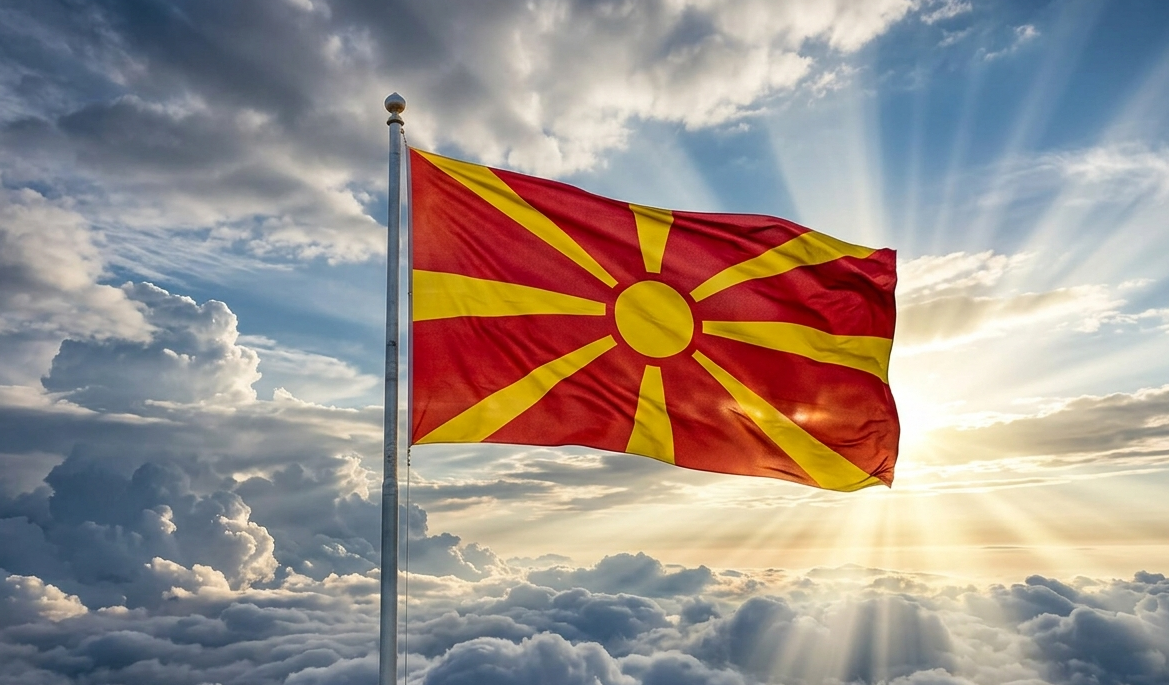
A 2025 report supported by several Macedonian minority and human rights organizations argues that people in Bulgaria who identify as Macedonian continue to face serious obstacles in exercising rights related to association, cultural identity and minority protection. The report describes the situation as a long running institutional problem, particularly concerning the registration of organizations representing the Macedonian community and access to cultural and linguistic rights. While the report reflects the position of the organizations behind it, several elements of the wider dispute have also been addressed by European human rights institutions.
At the center of the controversy is the question of whether people who identify as Macedonian can effectively organize and seek protection as a minority community. The Council of Europe’s Advisory Committee on the Framework Convention for the Protection of National Minorities noted in its 2024 opinion that people identifying as Macedonians in Bulgaria have repeatedly sought protection under the convention, but that Bulgarian authorities do not accept the objective criteria they consider necessary for access to minority rights. The same opinion says that long running attempts to register organizations representing the Macedonian community have not been successful.
Freedom of association has therefore become one of the most important parts of the dispute. The European Court of Human Rights has previously ruled in cases involving the United Macedonian Organization Ilinden and others, finding violations connected to restrictions on the organization of political and cultural activities. In 2017, for example, the Court examined another case concerning the refusal to register the organization and considered the restrictions under the European Convention on Human Rights.
The issue extends beyond the registration of associations. The Council of Europe’s latest assessment of Bulgaria says that the country still lacks a clear system for identifying national minorities and that access to minority rights remains dependent on how authorities assess both self identification and other criteria. The Advisory Committee has called for a more inclusive approach that gives significant weight to an individual’s free choice to identify with a national minority. It has also urged Bulgaria to make registration of organizations representing minority communities effectively possible.
Language and cultural preservation are another major part of the debate. The Council of Europe has criticized the limited opportunities available for minority language education in Bulgaria more broadly, calling for a long term strategy that would support minority languages from preschool through higher education. It has also highlighted insufficient and limited funding for minority cultural activities. These findings do not specifically establish every allegation made in the 2025 report about Macedonian language education, but they show that questions over minority language and cultural rights remain a wider concern in Bulgaria.
The dispute has also remained connected to European institutions. In 2025, the Parliamentary Assembly of the Council of Europe expressed concern about the situation of the ethnic Macedonian minority in Bulgaria and stated that judgments of the European Court of Human Rights concerning the refusal to register associations had not been implemented. It called on Bulgarian authorities to make tangible progress in the integration and recognition of the community and in implementing the relevant Court judgments.
At the same time, the Bulgarian government has presented a different interpretation of the situation. In its comments on the Council of Europe’s 2024 opinion, Sofia emphasized its constitutional and legal framework for protecting the rights and freedoms of Bulgarian citizens and raised reservations about some of the Advisory Committee’s recommendations. This difference in interpretation demonstrates why the issue remains politically sensitive: the dispute is not simply about individual court cases, but also about how Bulgaria defines minority rights, collective recognition and national identity.
Ultimately, the situation remains unresolved. Supporters of greater recognition for the Macedonian community argue that legal decisions and international recommendations have not translated sufficiently into everyday rights, while Bulgarian authorities maintain their own legal and constitutional approach to minority protection. The continuing involvement of the European Court of Human Rights, the Council of Europe and the Parliamentary Assembly shows that the question remains an important human rights issue. For meaningful progress, the central challenge will be turning legal principles such as freedom of association, non discrimination and free self identification into practical protections for people who identify as Macedonian in Bulgaria.