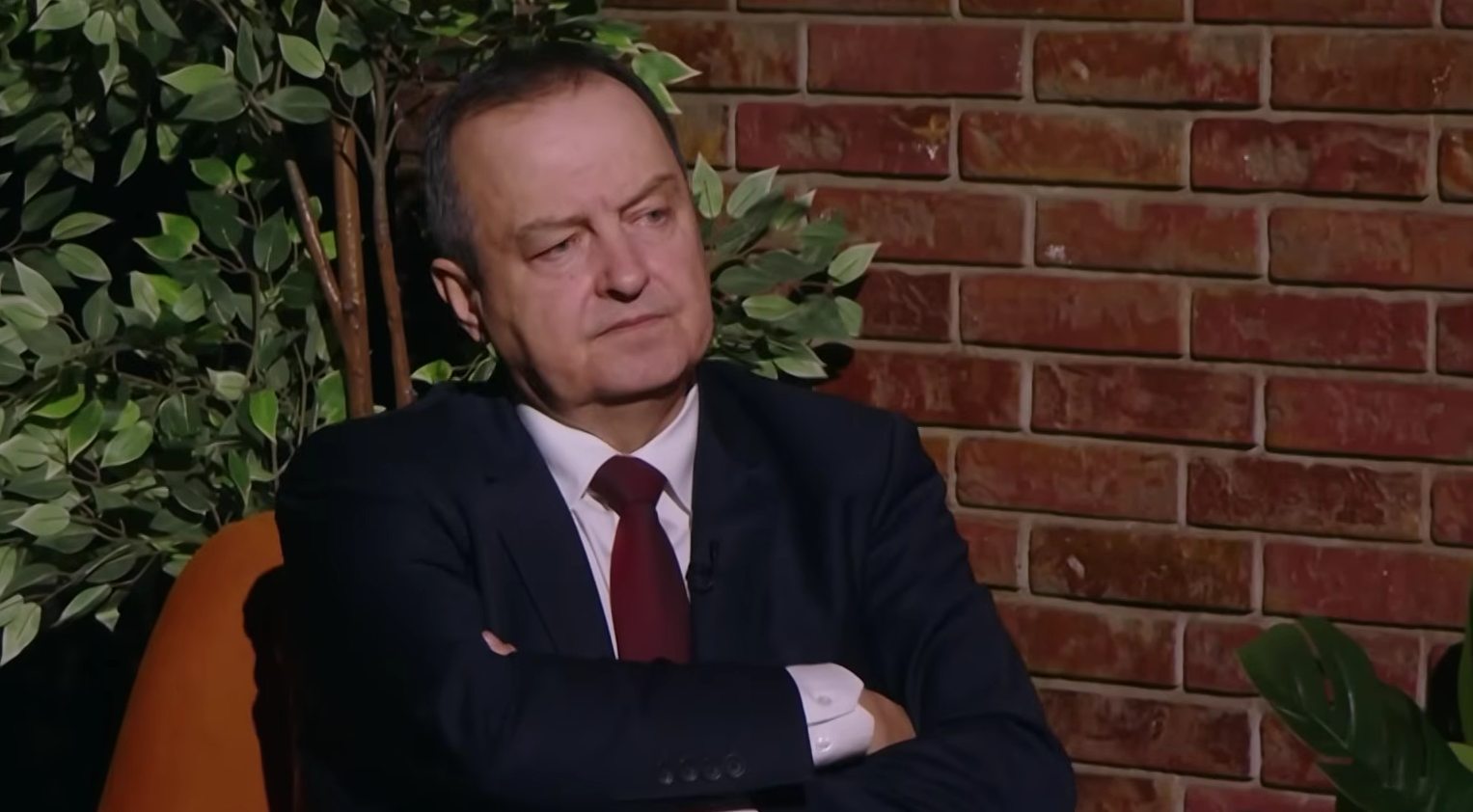
Socialist Party of Serbia (SPS) leader Ivica Dacic has declared his party ready for both parliamentary and presidential elections, signaling that the long-ruling coalition is preparing for a potential snap vote even as President Aleksandar Vucic has yet to set a firm date.
Speaking to state television RTS, Dacic, who serves as Serbia’s Minister of Internal Affairs, said the SPS is prepared to contest elections “even though we still believe that they should be regular elections.”
His remarks reflect the party’s preference for sticking to the constitutional timeline rather than rushing to the polls.
Dacic expressed confidence in the party’s prospects, stating that SPS policies remain rooted in “patriotism and socialism.”
He also said the party is satisfied with what it has achieved alongside its dominant coalition partner, the Serbian Progressive Party (SNS).
Dacic’s remarks come at a pivotal moment.
Vucic announced in late June that early general elections will be held within three to four months and that he intends to resign the presidency.
The move has been widely seen as positioning him to become prime minister, the country’s most powerful office.
SPS Prepares for Potential Early Elections
The SPS has been the SNS’s junior coalition partner since 2012, a political partnership that has kept the Socialists in government despite their steadily declining electoral performance.
In the December 2023 parliamentary elections, the SPS won just 6.7% of the vote and 25 seats in the 250 member National Assembly, down from stronger showings in previous election cycles.
Yet the party’s influence far exceeds its electoral weight, thanks to Dacic’s control of the powerful Interior Ministry and his personal rapport with Vucic.
Dacic’s statement that continuing the SNS-SPS coalition “is in Serbia’s interest” reflects both the party’s dependence on the ruling bloc and its strategic calculation that alignment with Vucic offers the best path to relevance in a political landscape the president has dominated for more than a decade.
Dacic Linked to Possible Presidential Bid
The SPS leader, who turns 60 in January 2027, has also been mentioned as a possible presidential candidate should Vucic step down.
However, his recent health struggles have raised questions about his stamina for a top tier campaign.
Serbia Faces Growing Political Pressure
The broader context for Dacic’s comments is one of mounting political pressure on the Vucic government.
More than a year of student led anti corruption protests, sparked by the November 2024 Novi Sad train station tragedy that killed 16 people, have shaken the government’s grip on power more than any previous challenge.
Vucic has responded with a mix of concession and confrontation, reshuffling governments, promising reforms and cracking down on demonstrators.
At the same time, he has been maneuvering toward elections that he hopes will re-legitimize his rule.
Opposition Questions Election Conditions
The president has consulted with coalition partners including the SPS, the Alliance of Vojvodina Hungarians and smaller satellite parties about election timing.
Most coalition members have expressed readiness for early polls.
Opposition parties, however, have largely boycotted these consultations.
They argue that fair elections are impossible under current conditions, citing concerns over media capture, state resource abuse and what international observers describe as democratic backsliding.
The OSCE’s Office for Democratic Institutions and Human Rights has issued multiple opinions in 2026 criticizing draft amendments to Serbia’s election related legislation.
Freedom House’s 2026 report also notes that the December 2023 vote was marred by media bias and misuse of public resources.
SPS Faces Opportunity and Risk
For Dacic and the SPS, the coming elections represent both an opportunity to consolidate their position within the ruling bloc and a risk.
A further erosion of the party’s vote share could reduce the Socialists to little more than a political appendage of Vucic’s political machine.