The Trump administration has informed Congress that it will not finish spending $400 million in authorized military aid for Ukraine until fiscal year 2029. This timeline would push final deliveries past the end of President Donald Trump’s second term.
According to a Pentagon letter sent to lawmakers in May, the funds are not expected to be fully obligated until fiscal 2026. The last assistance would not reach Kyiv until September 30, 2029.
Two months after the letter was dispatched, the money has still not been disbursed or even put on contract. Ukrainian forces remain critically low on weapons as Russian missile attacks intensify.
Zelenskiy’s Urgent Visit to Washington
The disclosure comes at a delicate moment in U.S.-Ukraine relations. Ukrainian President Volodymyr Zelenskiy is scheduled to meet Trump at the White House on Tuesday.
During the meeting, Zelenskiy will press for urgently needed air defense systems. He will also seek to finalize a drone deal with Washington.
Following that session, Zelenskiy is expected to address all 100 U.S. senators on Capitol Hill. The House of Representatives is currently away on summer recess.
The visit underscores Kyiv’s desperation for faster support. Meanwhile, the Pentagon’s own schedule suggests a pace that lawmakers from both parties consider unusually slow for an active war zone.
Breaking Down the $400 Million Aid Package
The spending plan covers the Ukraine Security Assistance Initiative. It breaks down the $400 million into three main categories.
Roughly $200 million is earmarked for weapons, ammunition and explosives. Another $99.9 million is allocated for vehicles, spare parts and equipment.
The remaining $100 million would pay for services such as transporting defense articles to Ukraine. Despite this detailed blueprint, members of Congress have grown increasingly frustrated.
Congressional Frustration Over the Aid Delay
Lawmakers see the Pentagon’s pace as bureaucratic foot-dragging. In April, Republican Senator Mitch McConnell published a Washington Post editorial directly criticizing the Pentagon for withholding support that Congress had already approved.
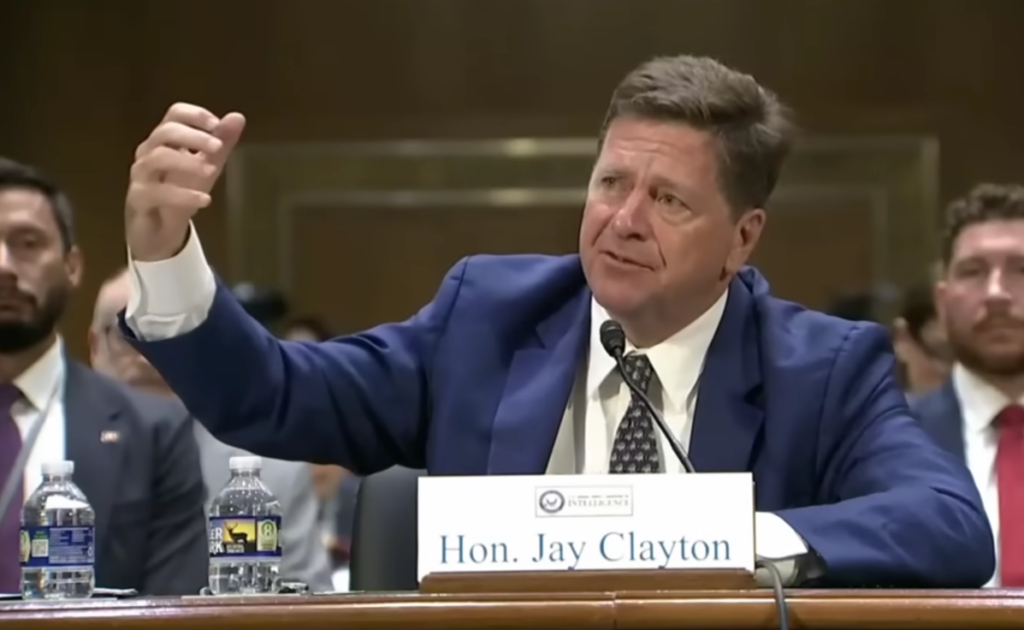
The issue has also dominated recent hearings. Last week, Democratic Senator Dick Durbin pressed Joint Chiefs Chairman General Dan Caine and Defense Secretary Pete Hegseth on the practical impact of such delays.
“If you’re talking about air defenses and the momentum alongside Zelenskyy, what impact will it have if we can’t fund this for three years?” Durbin asked. His question captured the sense of urgency felt by many on Capitol Hill.
Political and Legal Implications of the Timeline
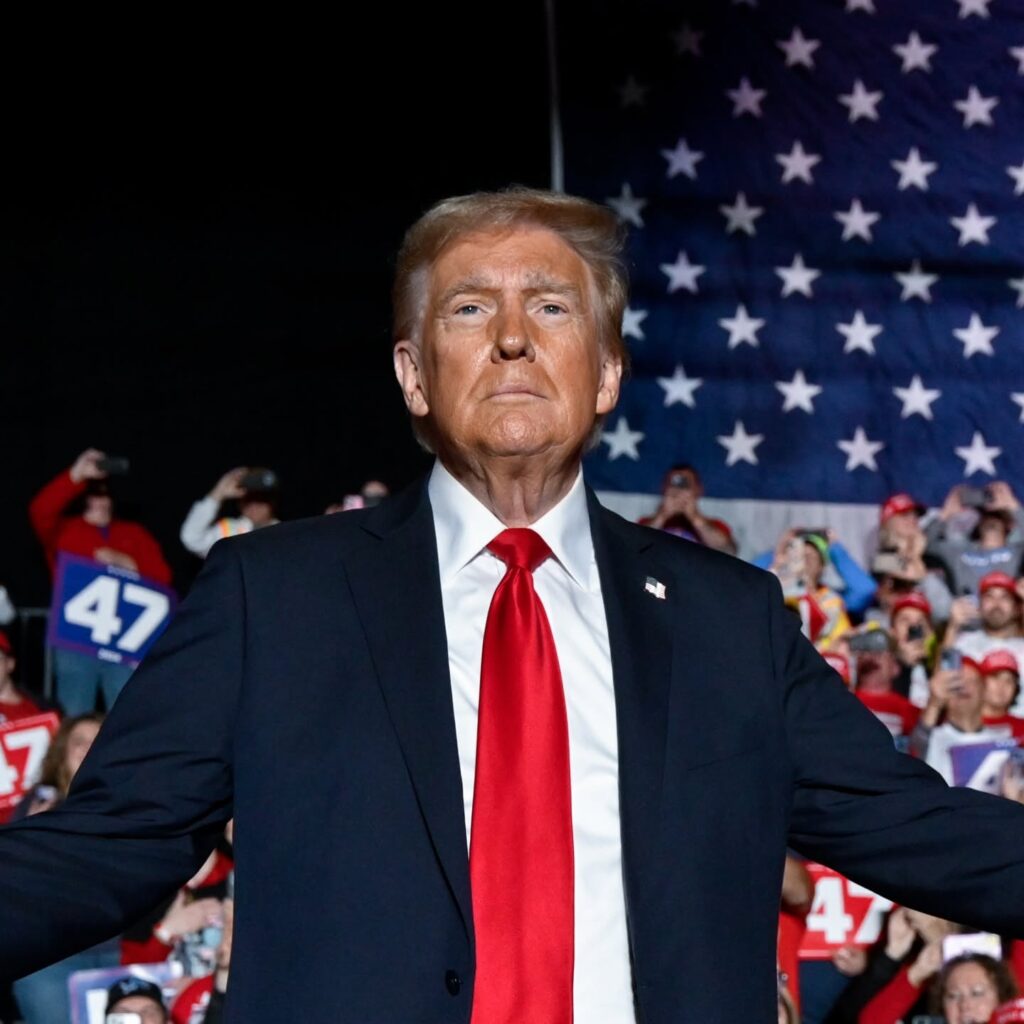
The timeline carries significant political weight. Trump’s second term ends on January 20, 2029, meaning the current plan would leave a substantial portion of the aid for his successor to oversee.
Under U.S. law, the president is legally required to spend funds appropriated by Congress. He cannot unilaterally block them to advance separate policy goals.
The administration’s approach has drawn comparisons to Trump’s first impeachment in 2019. At that time, the Government Accountability Office ruled that withholding defense funds for Ukraine broke the law.
Since Trump and his Republican allies took control of Congress in January 2025, no major new aid bill has passed. Democrats have repeatedly accused the White House of slow-walking assistance that was approved before the current term began.
Recent Policy Shifts Toward Ukraine
Despite the Trump Ukraine military aid delay, the president has recently struck a more supportive tone toward Kyiv. At the NATO summit in Ankara earlier this month, Trump approved a proposal to grant Ukraine a license to manufacture Patriot interceptor missiles domestically.
Zelenskiy had long requested this move to counter Russia’s ballistic missile barrages. The president has also signaled he would sign the Sanctioning Russia Act of 2025.
This bipartisan legislation was introduced by the late Republican Senator Lindsey Graham and Democratic Senator Richard Blumenthal. It would impose sweeping secondary tariffs on countries purchasing Russian energy.
Graham’s sudden death this month has raised questions about whether Trump’s recent tilt toward Ukraine will endure. Without his closest Senate ally actively advocating, both the sanctions bill and continued military assistance face uncertain futures.
Ukraine’s Critical Weapons Shortages
Experts caution that even the Patriot licensing agreement may do little to solve Ukraine’s immediate shortages. Defense analysts note that setting up domestic production could take years.
Complex supply chains and strict U.S. security protocols would need to be established. Ukrainian facilities must meet these standards before manufacturing can begin.
In the meantime, Russia has stepped up its air campaign against Ukrainian cities and energy infrastructure. Moscow is exploiting gaps in Kyiv’s depleted interceptor stockpiles.
The Pentagon has previously held up weapons shipments to Ukraine over concerns about low U.S. stockpiles. However, the current delay involves funds that were specifically set aside by Congress for capacity building and direct support.
U.S. Aid to Ukraine in Historical Context
Since Russia’s full-scale invasion in February 2022, Ukraine has been the largest recipient of American foreign aid. According to the Council on Foreign Relations, Washington had allocated roughly $175 billion related to the conflict by September 2024.
Of that total, $106 billion went directly to Ukraine. Another $69 billion flowed back into the U.S. economy to support American defense industries.
The current $400 million tranche represents a fraction of that total. However, its delayed deployment sends a troubling signal about the durability of U.S. commitments at a time when Kyiv is fighting for survival.
With Zelenskiy arriving in Washington this week, the pressure on the White House to accelerate the pace of aid has never been greater.