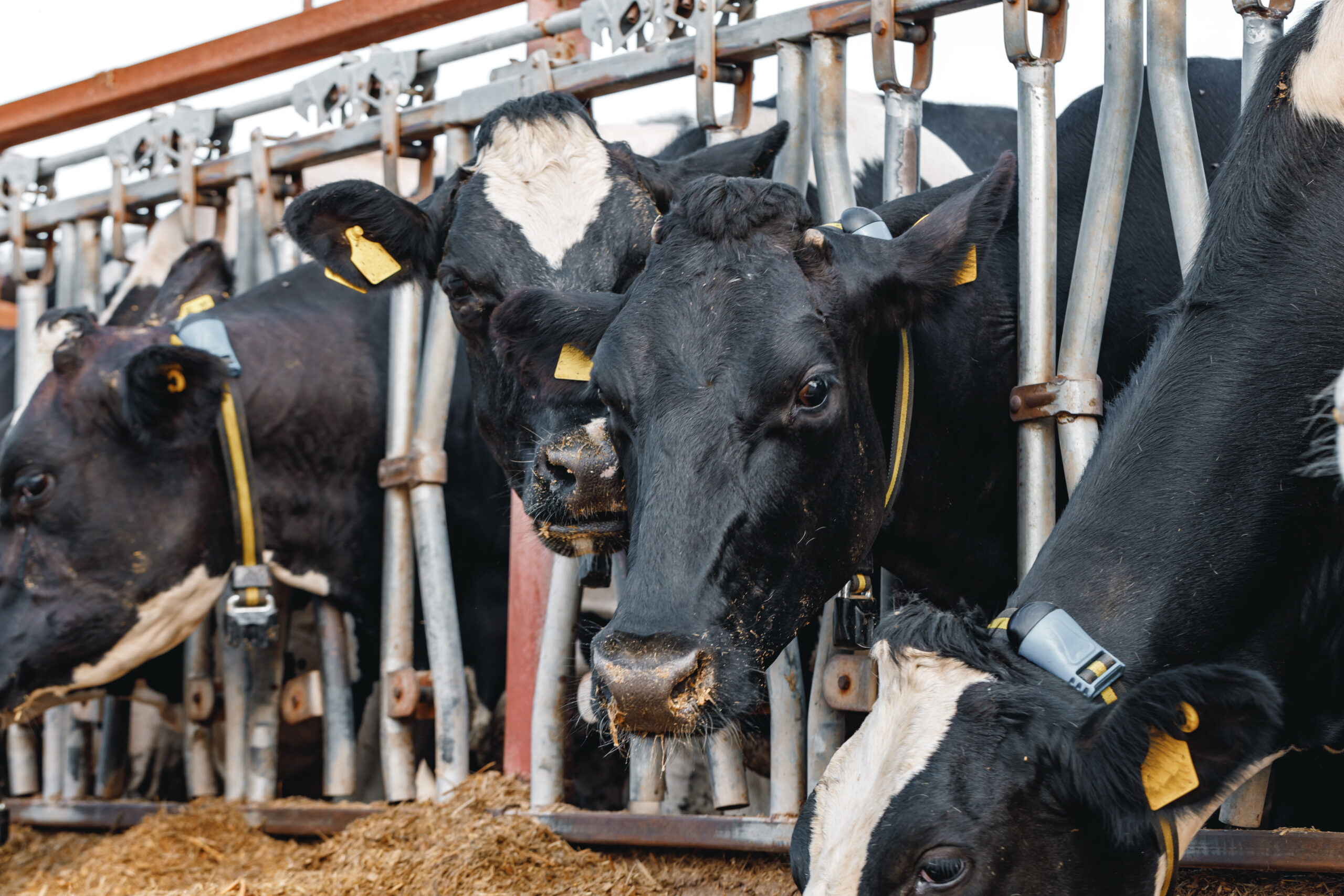
The U.S. Department of Agriculture is investing $25 million in a new facility in Douglas, Arizona, as part of a broader effort to prevent New World screwworm from spreading further into the United States. The investment comes as the pest has already been detected in U.S. livestock and Washington prepares to gradually resume imports of Mexican cattle following a year long suspension.
The Arizona facility will focus on dispersing sterile flies, a biological control technique that USDA considers one of its most effective tools against New World screwworm. The method involves releasing sterile male flies so wild populations have fewer opportunities to reproduce. USDA has previously used the approach to help eliminate the pest from the United States, making it a central part of the current response.
The threat became more urgent after New World screwworm was detected in U.S. livestock this year. USDA confirmed its first 2026 U.S. case in a Texas calf in June, followed by additional detections that prompted federal and state authorities to expand surveillance, introduce movement controls and increase sterile fly releases. The pest can pose a serious threat to livestock, pets and wildlife, with a widespread outbreak potentially causing substantial agricultural losses.
Arizona Facility Supports Broader U.S. Response
The new Arizona facility is closely connected to the planned reopening of the U.S.-Mexico livestock trade. USDA plans to reopen the Douglas, Arizona, port to cattle imports on August 24, with ports in New Mexico potentially following later. The process will be phased and conditional on Mexico implementing an agreed control plan, while imported animals will be inspected by USDA officials for signs of the pest.
The trade suspension has already had major economic consequences for the U.S. cattle industry. Reduced Mexican cattle imports contributed to tighter supplies at a time when the domestic herd was already near historically low levels. That pressure helped push beef prices to record highs, increasing costs for consumers while creating additional challenges for ranchers, processors and businesses throughout the beef supply chain.
Washington is therefore trying to balance two competing priorities: protecting American livestock from a potentially damaging agricultural pest while restoring an important source of cattle imports. Supporters of reopening the border argue that stronger inspections and expanded control measures can allow trade to resume safely, while some U.S. cattle producers remain concerned that increased livestock movement could create additional opportunities for the pest to spread.
The Arizona project is only one part of the larger U.S. response. USDA has expanded sterile fly dispersal along the southern border and completed a dispersal facility in Texas. The department is also developing a major sterile fly production facility at Moore Air Base in Edinburg, Texas, which is expected to eventually produce as many as 300 million sterile flies per week.
International cooperation is another important part of the strategy because New World screwworm cannot be effectively controlled through isolated action. The United States is working with Mexico and Panama, while USDA says an existing facility in Panama produces about 100 million sterile flies each week. A Mexican facility is also being renovated with U.S. support and is expected to add between 60 million and 100 million sterile flies per week once it becomes operational.
For the cattle industry, the stakes are particularly high because the screwworm threat comes alongside already limited cattle supplies, elevated production costs and expensive beef. A major outbreak could add another layer of pressure to the agricultural economy, affecting producers and meat processors while potentially pushing costs higher for consumers.
The latest USDA investment therefore represents more than the construction of another agricultural facility. It is part of a broader strategy combining biological control, livestock inspections, surveillance, international cooperation and trade policy. The success of that approach could determine whether the United States can restore important livestock trade routes while preventing New World screwworm from becoming established across larger areas of the country.
For now, officials are relying on increased preparation and the established sterile insect technique to contain the threat. With the Douglas port scheduled to reopen later in August and additional facilities under development, the coming months will be an important test of whether the United States can protect its livestock industry while restoring cross border cattle trade that remains important to the American beef market.