Serbia is continuing a major operation to remove a sunken German fleet near Prahovo after authorities discovered unexploded weapons still capable of posing a serious danger more than 80 years after World War II. Serbia’s Mine Action Centre confirmed the official details of the complex recovery effort on the Danube, where 21 German military vessels deliberately sunk in 1944 are being removed. The decades old wrecks have long created a danger for river navigation, especially when water levels drop and parts of the vessels become more exposed. However, the operation has revealed an additional threat after large quantities of unexploded military ordnance were found inside several ships. The vessels were sunk as German forces retreated through the region during the final stages of the war. Many have remained on the riverbed near the port of Prahovo for more than eight decades. Serbia’s Mine Action Centre has identified dangerous unexploded ordnance, including anti ship mines, making the recovery process particularly difficult. Each vessel must therefore be carefully inspected before it can be moved, lifted or dismantled.
According to Bojan Glamočlija, director of Serbia’s Mine Action Centre, three vessels have already been removed from the riverbed, including a minesweeper. Four additional vessels have been moved deeper into the riverbed to reduce the risk they pose to navigation. Recovery work has also begun on a fourth vessel, which was cut into three sections to make the operation safer and more manageable. During that process, a depth bomb was discovered in the central section of the ship. The explosive device was safely removed and destroyed by specialists. Recovery teams have also found unexploded hand grenades, anti aircraft ammunition, depth mines and powerful projectiles on the wrecks. Glamočlija warned that explosives contained in such weapons can remain dangerous even after more than 80 years underwater. For that reason, underwater inspections, demining and the controlled removal of explosive devices remain essential parts of the operation.
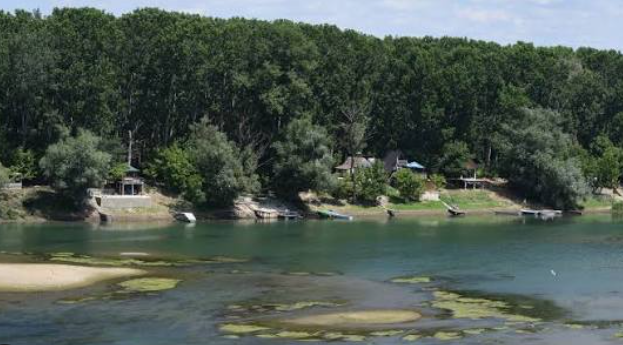
Low water levels on the Danube have made the remains of the sunken German fleet increasingly visible and have once again highlighted the risks they present. Authorities have also warned that unexploded weapons from past conflicts could appear in dried sections of riverbeds as water levels continue to change. Citizens are being urged not to touch any suspicious objects that may resemble military ordnance. Anyone who discovers a potentially dangerous object is advised to move away from the area and immediately contact Serbia’s Interior Ministry. The operation near Prahovo is considered important not only for removing a dangerous legacy of World War II but also for improving safety on one of Europe’s most important waterways. Recovery work is expected to continue as explosives experts, underwater teams and salvage specialists inspect and remove the remaining vessels. The long term goal is to eliminate the danger posed by the wrecks and make navigation along this section of the Danube safer.