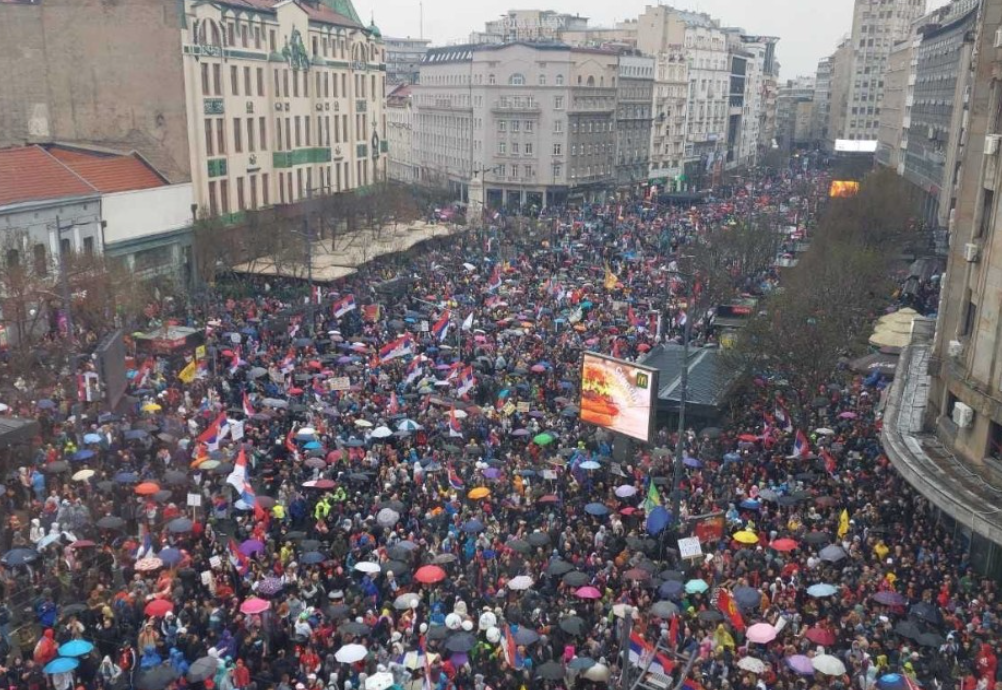
The European Union is increasingly questioning whether Serbia’s ambition to join the bloc is genuine, as Belgrade continues to balance its relationship with Brussels against its close ties with Russia and other countries outside the EU. Serbia has formally been a candidate for EU membership for years, but its progress has remained complicated by political, foreign policy and rule of law issues. The question of whether Serbia is genuinely prepared to make the strategic choices required for membership has become increasingly important as the EU faces a changing security environment and expects candidate countries to demonstrate greater alignment with its policies.
One of the central issues is Serbia’s foreign policy. While Belgrade continues to publicly support its European path, it has maintained close relations with Russia and has not fully aligned itself with EU foreign policy, particularly over Russia’s war against Ukraine. Recent assessments have placed Serbia among the EU candidate countries with the lowest levels of alignment with the bloc’s foreign policy. Analysts have argued that this balancing approach is becoming increasingly difficult to maintain as geopolitical divisions deepen. Serbia has traditionally attempted to preserve relationships with both Western countries and powers such as Russia and China, but Brussels is increasingly looking for clearer evidence that EU membership is actually the country’s strategic objective rather than simply one option among several.
The issue is also closely connected to the broader relationship between Serbia and the EU over Kosovo, democratic standards and the functioning of institutions. Brussels expects Serbia to continue working toward normalization of relations with Kosovo as part of its European integration process, while disagreements over democratic institutions, media freedom and political competition have also contributed to concerns about the country’s readiness for membership. Serbia’s government has repeatedly insisted that EU membership remains a strategic goal, while President Aleksandar Vučić has continued to pursue relationships with countries outside the bloc. This has created a situation in which Serbia can simultaneously present itself as a European candidate while pursuing a foreign policy that does not always correspond with the expectations of EU member states.
The question now facing Brussels is therefore not simply whether Serbia wants to become an EU member, but whether it is prepared to make the political and foreign policy changes necessary to eventually join the bloc. The EU remains an important economic partner for Serbia and provides significant investment and financial support, making the relationship important for both sides. At the same time, European officials are under increasing pressure to ensure that future members share the bloc’s fundamental political and foreign policy principles. For Serbia, the challenge will be demonstrating that its European ambitions go beyond declarations and are reflected in concrete decisions. How Belgrade responds to those expectations could determine how seriously the EU views its membership ambitions in the years ahead.