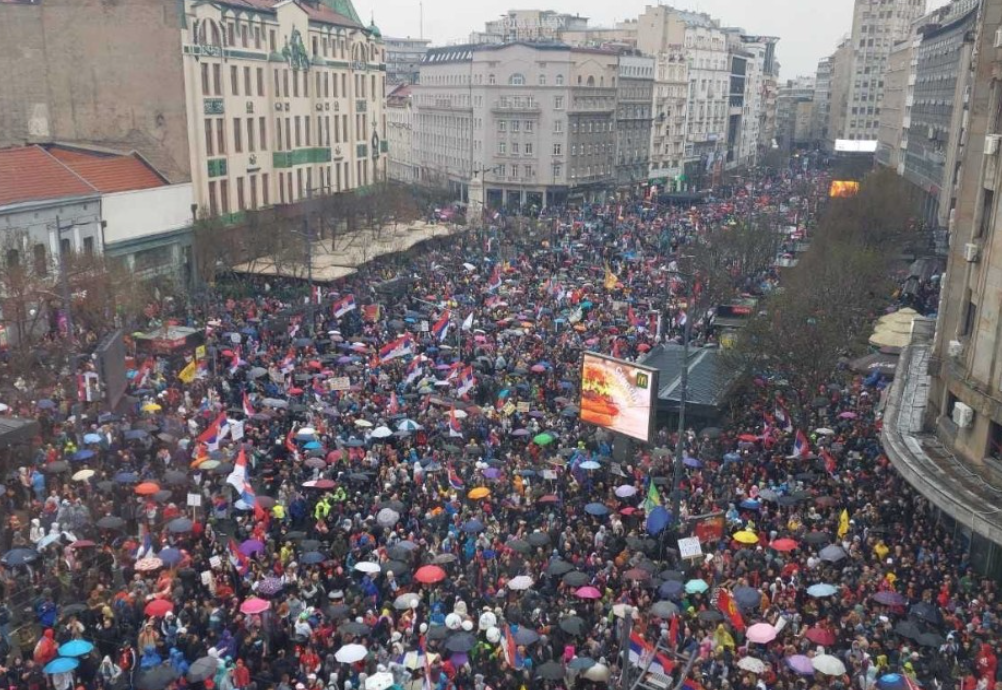
Serbia’s student movement has moved far beyond university campuses, becoming one of the country’s most important political forces after months of demonstrations demanding accountability, institutional change and early parliamentary elections. What began as protests following the collapse of the railway station canopy in Novi Sad, which killed 16 people in November 2024, gradually developed into a nationwide movement involving students, professors and large numbers of citizens. Students have repeatedly argued that the existing political system has failed to provide sufficient accountability and that elections are the way for citizens to decide who should govern the country. Their demonstrations have continued across Serbia, with large gatherings in cities including Belgrade and Novi Sad.
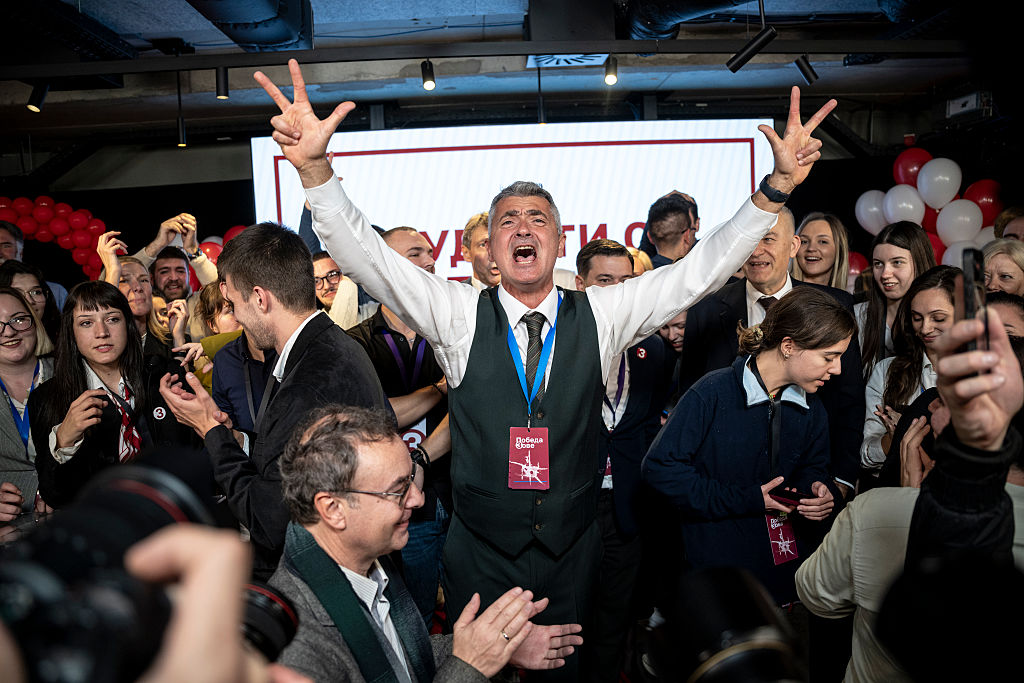
One of the biggest changes in the movement has been the students’ decision to move closer to direct political participation. After months of protests and university blockades, the movement increasingly focused on the possibility of forming a political list and taking part in parliamentary elections rather than remaining only a protest movement. Students have presented the demand for elections as a way to create an opportunity for political change and have organized campaigns intended to reach communities throughout Serbia. Earlier protests repeatedly called for free and fair elections, with students arguing that deeper problems involving corruption and the functioning of state institutions could not be resolved without a political process in which citizens could freely choose their representatives.
The pressure on the government has continued as President Aleksandar Vučić and the ruling Serbian Progressive Party have faced sustained criticism from the student movement. Vučić announced in June that he planned to resign from the presidency after several more weeks, while also saying he would support the ruling political camp in the next parliamentary elections. At the time, however, no election date had been announced. The situation changed on September 9, when Vučić formally dissolved parliament and called early parliamentary elections for October 25, 2026. The campaign will last 45 days, making it the shortest period legally possible under the election timetable. The regular parliamentary election would otherwise have been expected in 2027.
The upcoming election will therefore represent a major test for both the ruling establishment and the student movement that has dominated Serbia’s political landscape for more than a year. Students have spent months building support outside universities and organizing protests in different parts of the country, while the government and its supporters have repeatedly challenged the movement’s political demands. Earlier demonstrations attracted tens of thousands of people, and clashes also occurred following a major student protest in Belgrade in May. With elections now officially scheduled, the movement faces a different challenge: turning the energy of the streets into an organized political campaign and convincing voters that it can offer an alternative to the existing political structure. The result could shape Serbia’s political direction well beyond the October vote.