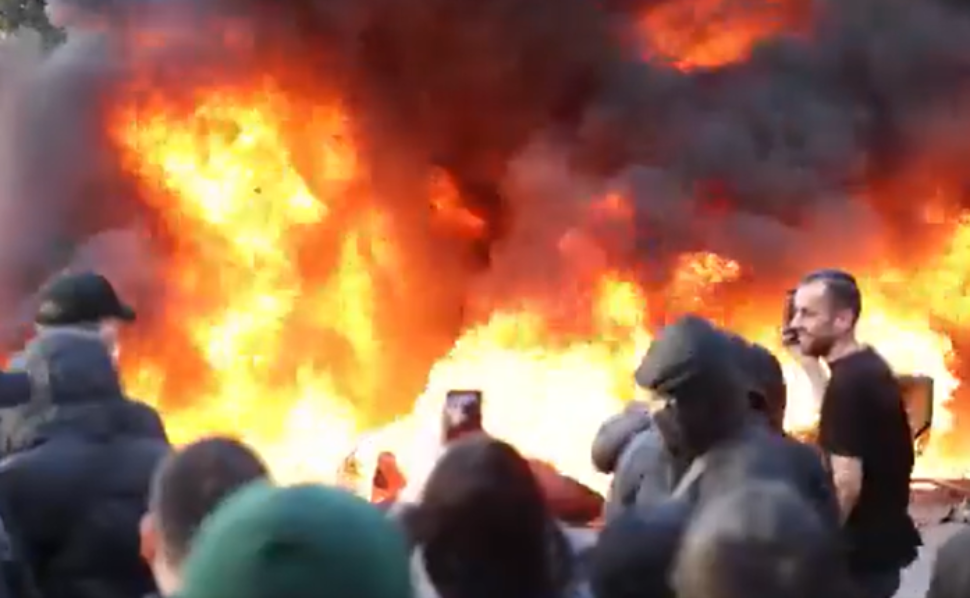
Student protests in Albania have escalated into a broader political confrontation, with demonstrators demanding Prime Minister Edi Rama’s resignation amid growing frustration over education costs, corruption allegations and economic conditions.
Demonstrations in Tirana have entered their third day, with young people arriving from other cities and protests spreading to university communities in Elbasan and Shkodër.
Clashes between protesters and police have resulted in injuries, while authorities have used tear gas and water cannons during the unrest. Fires and damage to buildings have also been reported.
According to Al Jazeera, the demonstrations reflect dissatisfaction that has been building for months, extending beyond university funding and student living conditions.
Edi Rama Rejects Calls to Resign
Rama, who has governed Albania since 2013 and secured a fourth term last year, has rejected demands to step down.
Speaking to Reuters following two days of clashes, the prime minister insisted that governments should change through democratic elections rather than street protests.
He also accused the opposition of responsibility for violence and destruction in Tirana.
Students, meanwhile, have raised concerns about the cost of education, limited employment opportunities and the financial pressures facing young Albanians.
One student told Deutsche Welle that many young people struggle to pay rent and cover their basic expenses while studying.
The unrest follows months of demonstrations connected to a proposed luxury tourism development on Albania’s southern coast involving Jared Kushner, the son-in-law of US President Donald Trump.
The protest movement, sometimes referred to as the “Flamingo Revolution,” has since become associated with wider dissatisfaction over government accountability.
Political analyst Afrim Krasniqi told Al Jazeera that students had protested peacefully for nearly three months but that many of their demands had been ignored.
The demonstrations have also included criticism of Albania’s political opposition, suggesting that frustration extends beyond the governing Socialist Party.
Can the Protests Bring Political Change?
Although Albania continues to pursue European Union membership, protesters argue that progress toward European integration has not translated into sufficient improvements in their daily lives.
Low purchasing power, concerns about public services and the departure of young people seeking opportunities abroad remain significant sources of frustration.
Opposition leader Sali Berisha has expressed support for the protests, but some demonstrators have also voiced dissatisfaction with established opposition parties.
Political analysts interviewed by Al Jazeera and Deutsche Welle have questioned whether the movement can produce lasting political change without a clear political alternative.
The latest unrest has drawn comparisons with Albania’s student protests in December 2018, which prompted Rama to replace eight ministers and announce a package of university reforms.
Some demands from that movement remained unfulfilled, according to Al Jazeera.
For the current protesters, the central question is whether continued demonstrations can produce meaningful institutional reforms or lead to a change in government.
With Rama ruling out resignation and students continuing to mobilize, the political confrontation remains unresolved.