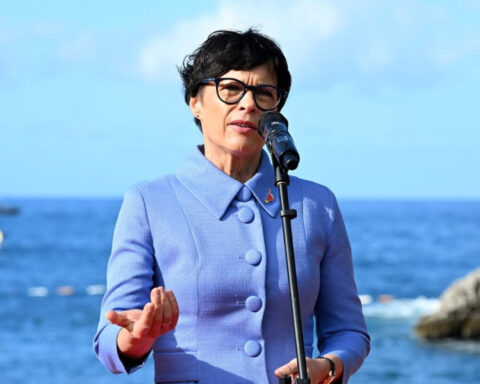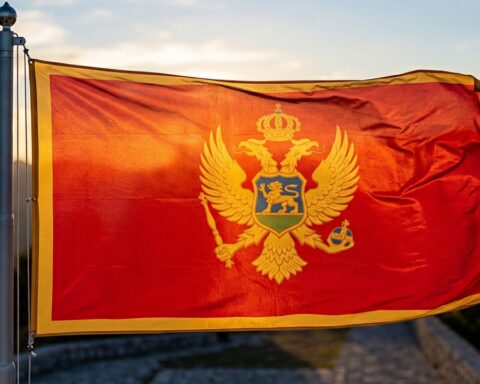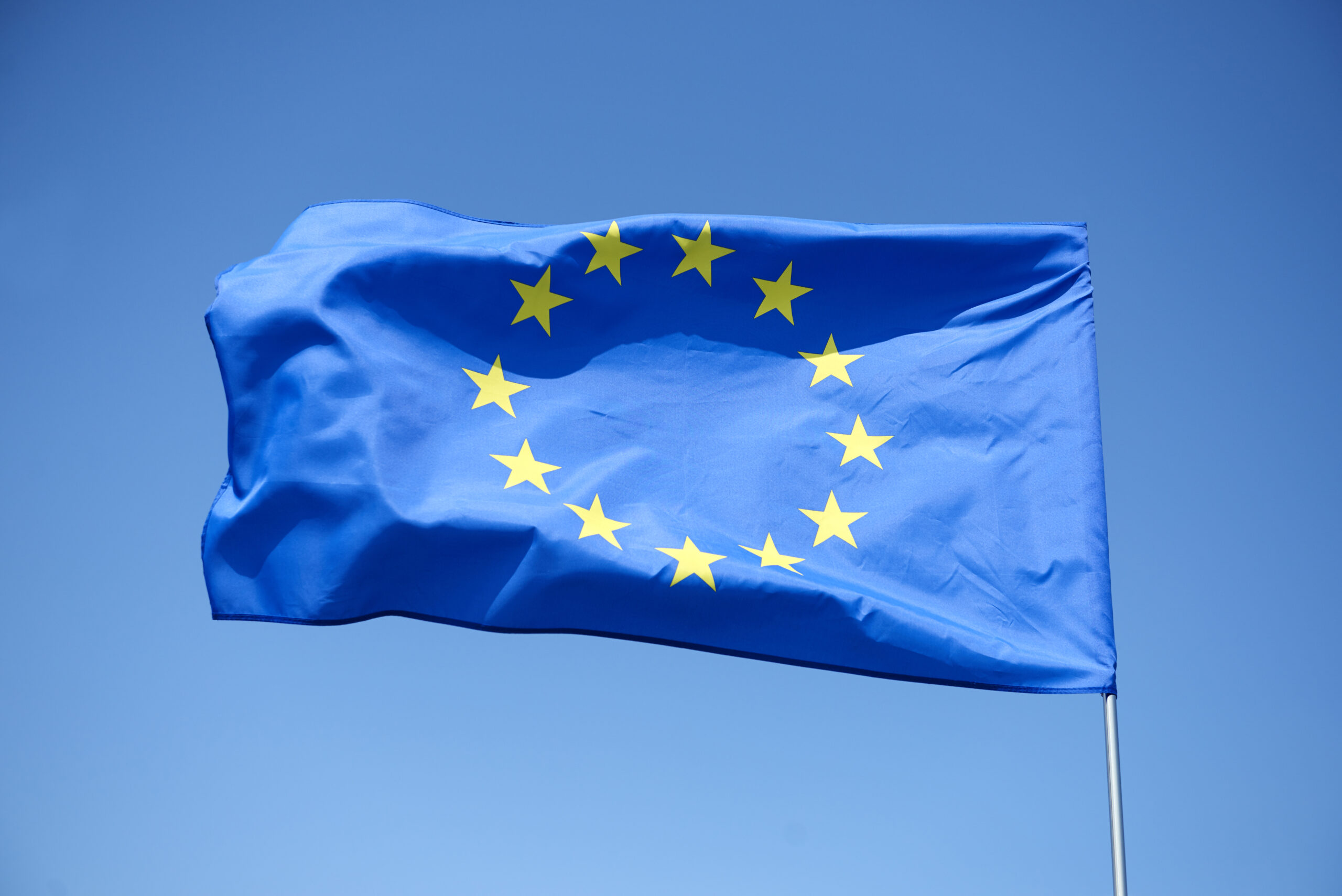
Montenegro must resolve its outstanding disputes with Croatia if it wants to join the European Union, EU Enlargement Commissioner Marta Kos has warned.
Speaking on October 21, Kos said bilateral disagreements are not formally part of Montenegro’s EU accession negotiations. However, the country will still need the approval of all 27 EU member states to complete the process.
Croatia, already an EU member, has raised several unresolved issues in its relations with Montenegro.
Kos acknowledged Croatia’s interests while expressing optimism about recent diplomatic efforts between the two neighboring countries.
She said Montenegro had taken encouraging steps toward resolving the disagreements and welcomed the continuing dialogue with Zagreb.
Croatia’s Support Could Determine Montenegro’s EU Future
Montenegro has emerged as one of the leading candidates for the next round of EU enlargement.
Kos described the country’s progress over the past three years as exceptional, praising its political leadership for advancing accession reforms.
However, she emphasized that technical progress alone would not guarantee membership.
Every EU member state must ultimately agree to Montenegro’s accession.
Although bilateral disputes are separate from the formal negotiating chapters, unresolved disagreements could still complicate the political approval process.
Kos expressed confidence that Montenegro could sign its EU accession treaty by summer 2027.
The longer-term ambition is for Montenegro to become the EU’s 28th member state in 2028.
She also welcomed constitutional amendments approved by Montenegro’s parliament concerning integrity checks for government candidates.
According to Kos, the changes bring the country closer to completing Chapter 23 of the accession negotiations, which addresses the judiciary and fundamental rights.
Progress in this area would represent another step toward concluding the negotiations.
Kos Warns Against Glorifying Convicted War Criminals
The commissioner also addressed controversy involving Montenegro’s parliamentary speaker, Andrija Mandić.
Opposition politicians had criticized Mandić after he expressed condolences to the family of convicted war criminal Ratko Mladić.
An attempt to remove Mandić from his position failed in parliament.
Kos said decisions concerning parliamentary leadership belong exclusively to Montenegro’s lawmakers.
However, she emphasized that glorifying convicted war criminals is incompatible with European values.
She also stressed the importance of reconciliation and respect for victims of the conflicts that followed the breakup of Yugoslavia.
Kos said unresolved historical issues should be discussed openly while maintaining a commitment to reconciliation.
Her remarks came ahead of the Berlin Process summit in Budva, where regional cooperation and Montenegro’s European integration are expected to feature prominently.
Kos said European leaders increasingly recognize Montenegro’s progress and its potential to become the EU’s next member.
Nevertheless, the country’s path toward membership will depend not only on completing domestic reforms but also on securing political agreement across the European Union.
For Montenegro, resolving its disputes with Croatia could prove decisive in meeting its ambitious accession timetable.