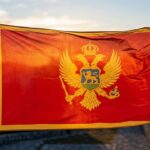
Lake Ohrid ranks fourth and Mavrovo National Park sixth on the American publication’s list of eight destinations, while Sarajevo takes the top spot. The selection highlights Macedonia’s natural beauty, cultural heritage and appeal to travelers seeking experiences beyond Europe’s busiest tourist destinations.

American business and news publication Quartz has named Lake Ohrid and Mavrovo National Park among its eight recommended destinations to visit in the Balkans in 2026, placing two locations in Macedonia on a list that also features historic cities, Adriatic coastlines and Mediterranean islands.
Sarajevo, the capital of Bosnia and Herzegovina, tops the ranking, followed by Kotor in Montenegro and Croatia’s Istrian Peninsula.
In its travel feature, Quartz describes the Balkans as one of Europe’s most underrated regions, offering a remarkable combination of Adriatic beaches, mountain landscapes, historic cities, cultural traditions and distinctive cuisine.
The publication encourages travelers not to attempt to explore the entire region in a single trip. Instead, it recommends choosing two to four countries, planning a manageable itinerary around bus routes and border crossings, and leaving some time unscheduled to discover unexpected places along the way.
Quartz’s Top Eight Balkan Destinations for 2026
- Sarajevo, Bosnia and Herzegovina
- Kotor, Montenegro
- Istria, Croatia
- Lake Ohrid, North Macedonia
- Albanian Riviera, Albania
- Mavrovo National Park, North Macedonia
- Pristina, Kosovo
- Brač Island, Croatia
The inclusion of Lake Ohrid and Mavrovo highlights the diversity of North Macedonia’s tourism offerings, from lakeside history and cultural festivals to mountain scenery, hiking and traditional celebrations.
Lake Ohrid: A Lakeside Destination for Every Season
Ranked fourth, Lake Ohrid is described by Quartz as one of the most atmospheric destinations in the Balkans.
The combination of the lake and its historic town offers a different experience from the region’s coastal resorts and larger urban centers. Recognized by UNESCO for its natural and cultural significance, the Ohrid area combines historic architecture, religious heritage, lakeside views and a more relaxed pace of life.
Rather than filling each day with sightseeing and nightlife, visitors can spend time exploring the waterfront, walking through the town’s historic streets and enjoying the surrounding landscape.
January also offers a distinctive cultural attraction: the Vevčani Carnival, one of the Balkans’ longest-running continuously held festivals. The event is known for its masks, satirical performances and local customs, making it a particularly interesting time to experience the region beyond the summer tourist season.
Despite its international heritage significance, Ohrid remains less familiar to many travelers outside the Balkans than some of Europe’s better-known lakeside destinations. That relative obscurity can appeal to visitors seeking a quieter experience away from heavily visited tourist hotspots.
Quartz recommends Lake Ohrid as a natural addition to a broader itinerary through North Macedonia or the surrounding region, especially for travelers who want to combine nature, culture and history without rushing between destinations.
Mavrovo National Park: Mountains, Nature and Living Traditions
Mavrovo National Park ranks sixth on the list, offering a mountain-focused alternative to the beaches and coastal towns that dominate many Balkan travel itineraries.
Its forested mountain slopes, cool summer climate, hiking opportunities and scenic lake provide a contrast to the region’s warmer coastal destinations. The park is particularly appealing to travelers who enjoy outdoor activities and landscapes away from busy urban centers.
One of its most recognizable sights is the partially submerged Church of St. Nicholas at Mavrovo Lake. The stone building, surrounded by water and backed by green mountain slopes, has become one of the area’s most distinctive landmarks.
The park also offers an opportunity to experience local traditions and cultural events.
A major highlight in July is the Galičnik Wedding Festival, a three-day celebration showcasing traditional Macedonian wedding customs, elaborate folk costumes, music and drumming. The event connects visitors with local heritage through a celebration tied to the traditions of the mountain village of Galičnik.
Unlike attractions that can be visited at any time of year, the festival takes place during a specific period, making the timing of a summer visit particularly important for travelers interested in cultural experiences.
Mavrovo’s mountainous setting also makes it a natural complement to a trip to Lake Ohrid. Together, the two destinations offer a varied itinerary that combines lakeside scenery, historic towns, mountain landscapes and traditional culture.
Sarajevo Takes the Top Spot
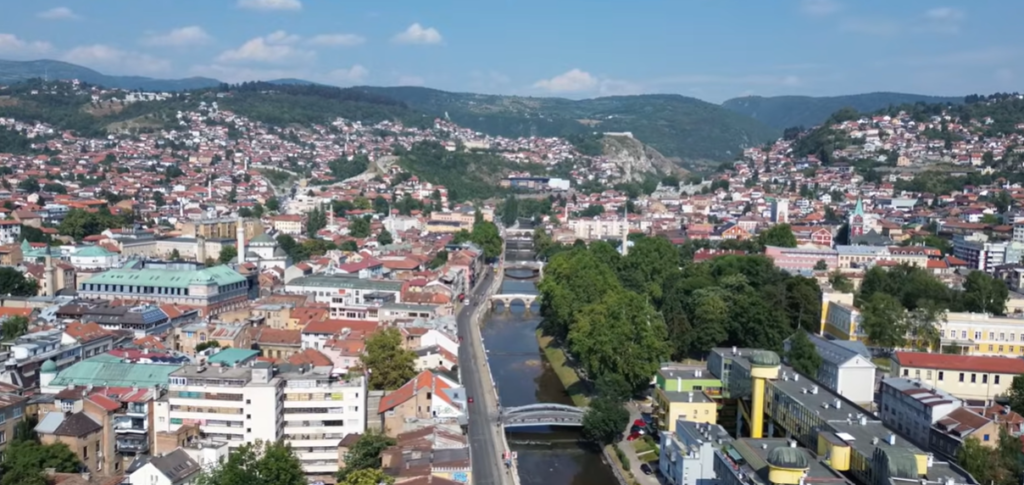
Sarajevo ranks first, recognized for its layered history, distinctive architecture and cultural diversity.
The Bosnian capital brings together Ottoman-era streets, Austro-Hungarian facades, mosques, churches and synagogues within a relatively compact city center that is well suited to exploring on foot.
In the Baščaršija old town, visitors can experience the traditional Bosnian coffee culture, browse historic streets and discover local restaurants and craft shops. Nearby architectural landmarks reveal the different cultural influences that have shaped the city over centuries.
Sarajevo’s more recent history also remains visible. Memories of the 1990s siege are reflected in parts of the urban landscape, adding historical depth to a city that is much more than a picturesque European capital.
The publication presents Sarajevo as a destination that rewards travelers who take their time, engage with its history and experience everyday life rather than simply moving between famous landmarks.
Mostar, approximately two hours away, makes a natural additional stop. Its iconic Old Bridge attracts visitors from around the world, but exploring the quieter streets beyond the main tourist area offers a broader sense of the city’s character.
Kotor, Istria and the Adriatic Coast
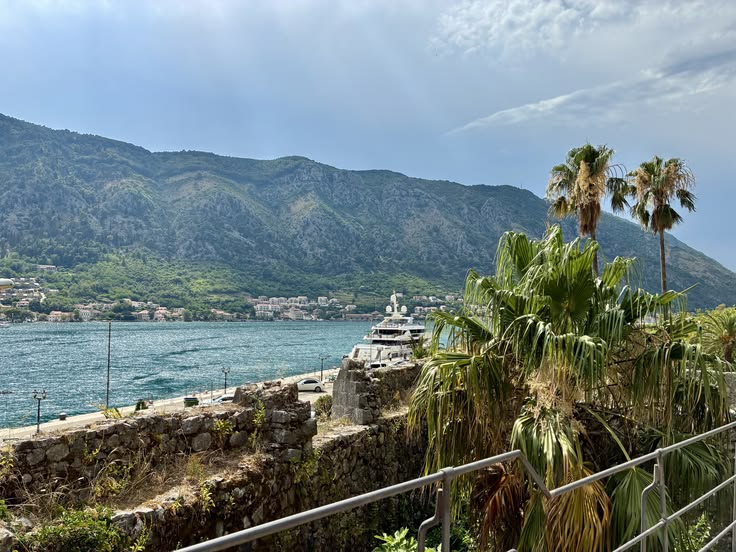
Kotor, Montenegro, ranks second. Its medieval old town, historic fortifications and dramatic setting along the Bay of Kotor make it one of the Adriatic region’s most recognizable destinations.
Third-place Istria, in Croatia, is highlighted for its culinary appeal. The peninsula is known for truffles, high-quality olive oil and family-run wineries producing local grape varieties, including Malvasia and Teran.
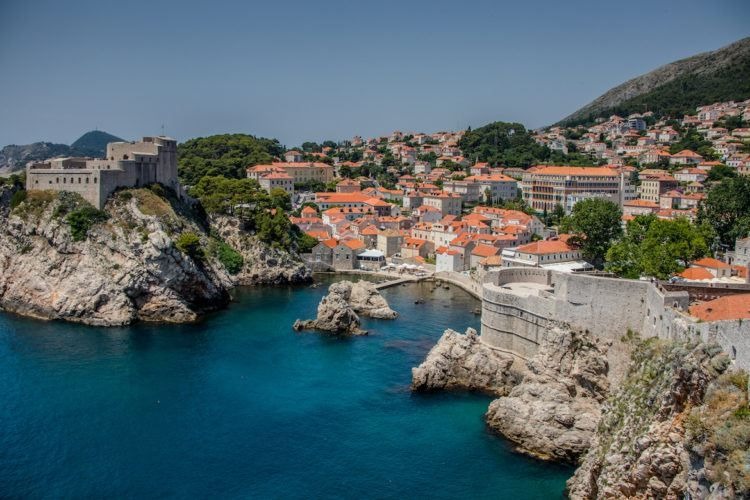
The Albanian Riviera takes fifth place, recognized for its turquoise waters, picturesque coastal towns and comparatively accessible prices compared with some of the Mediterranean’s more established holiday destinations.
Pristina, the capital of Kosovo, ranks seventh. Quartz highlights its youthful atmosphere, lively coffee culture and access to surrounding natural landscapes, presenting it as an underrated European capital worth exploring.
The eighth destination is Croatia’s Brač Island, home to the famous Zlatni Rat beach. Its distinctive pointed shape changes with wind and sea currents, creating a natural feature that can look different from one visit to the next.
A Region Worth Exploring More Slowly
The selection presents the Balkans as a region of considerable variety, where a relatively short journey can connect historic cities, mountain national parks, cultural festivals, island landscapes and coastal resorts.
For Macedonia, the inclusion of both Lake Ohrid and Mavrovo National Park highlights two complementary sides of its tourism appeal: a lakeside destination rich in history and atmosphere, and a mountainous region where nature and living traditions remain central to the experience.
The broader recommendation from Quartz is simple: travelers should resist the temptation to see everything at once. Choosing a handful of destinations and allowing enough time to explore them can offer a more rewarding introduction to the Balkans.
For visitors planning a trip in 2026 or 2027, Lake Ohrid and Mavrovo provide a compelling reason to put Macedonia on the itinerary.