Serbia’s student-led electoral list has secured 52.71 percent of the vote and a projected 140 parliamentary seats, defeating President Aleksandar Vučić’s United Serbia coalition, according to preliminary results announced by the Republic Electoral Commission (RIK).
The student-backed list, running under the name “Students Are Winning,” received 2,267,615 votes, while Vučić’s coalition secured 1,685,022 votes, or 39.17 percent.
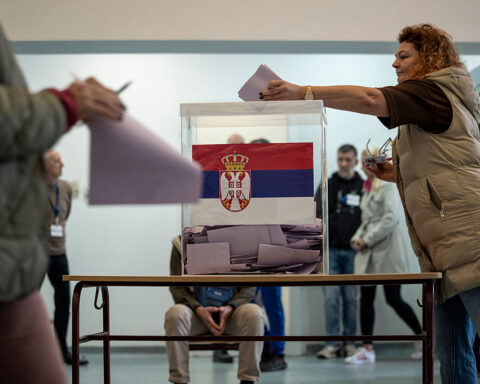
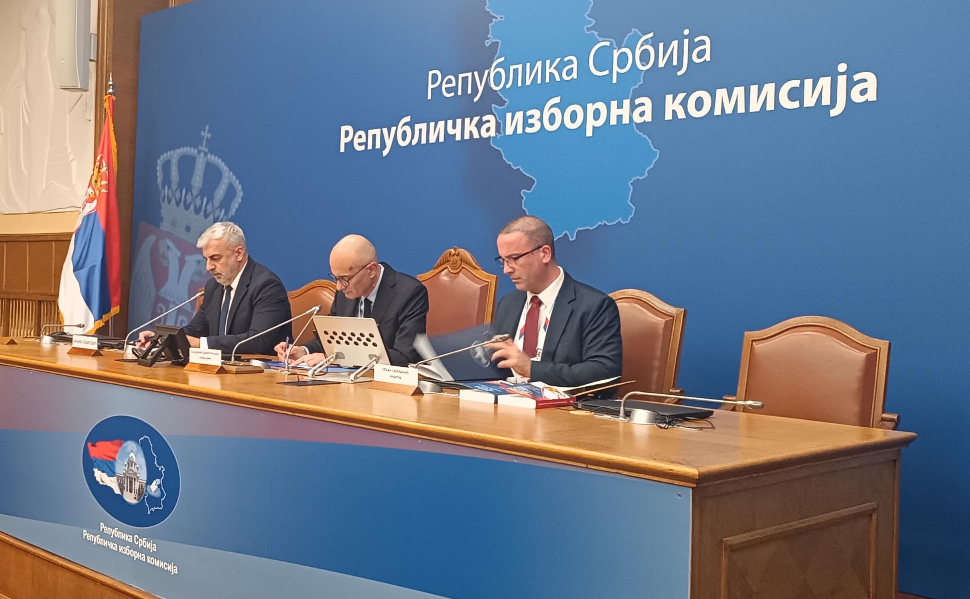
The preliminary results were presented at the commission’s 70th session on Monday evening, October 26, based on processed election records from 8,187 polling stations.
If confirmed, the results would give the student-led movement a parliamentary majority in Serbia’s 250-seat National Assembly, marking a significant change in the country’s political landscape.
Student-Led List Secures Projected Parliamentary Majority
According to RIK President Vladimir Dimitrijević, the preliminary allocation gives the student-led list 140 parliamentary seats, compared with 104 for Vučić’s United Serbia coalition.
Several minority parties are also projected to enter parliament. The Alliance of Vojvodina Hungarians secured two seats, while the Albanian Coalition also won two.
Rasim Ljajić’s electoral list and the SDA Sandžak list are each projected to receive one parliamentary seat.
Other parties, including the Socialist Party-led list headed by Ivica Dačić, failed to secure seats under the preliminary allocation.
The commission’s meeting began shortly after 8 p.m., with 33 of its 35 members present. The proposed agenda was adopted unanimously.
Despite the substantial lead reported for the student-backed list, the figures remain preliminary and are subject to completion of the electoral process.
Overseas Votes Still Being Counted as Election Concerns Emerge
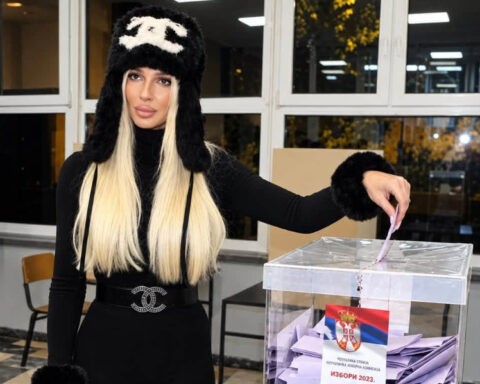
Voting records from Serbian polling stations abroad had not been fully processed when the preliminary results were announced.
Vlada Šutić, a representative of Serbia’s Statistical Office, told the commission that results from only eight of the 93 overseas polling stations had been entered into the system.
Additional physical voting records were expected to arrive the following morning, meaning the overseas vote had not yet been fully reflected in the announced figures.
Commission members also raised concerns about irregularities and organizational problems during election day.
RIK member Sofija Mandić questioned aspects of the voting process, citing problems involving election materials, voting outside polling stations, journalist accreditation and access to voting rights.
Another commission member, Marko Živanović, reported incidents involving unidentified individuals entering polling stations and physical confrontations with election officials in the municipality of Doljevac.
Members also discussed malfunctioning ultraviolet lamps, shortages of voting materials and difficulties organizing voting for citizens unable to attend polling stations in person.
During the meeting, Ivan Šebek called on the commission to apologize to Serbian voters abroad for the conditions they faced. He subsequently offered an apology on behalf of the commission.
Dimitrijević rejected allegations that the electoral commission had previously announced results based on incomplete information, explaining that earlier figures circulated by political representatives had come directly from polling stations.
The commission is expected to continue processing outstanding records before confirming the final election results.
The preliminary outcome places Serbia’s student-led movement in a strong position to form a parliamentary majority, although the final distribution of seats will depend on the official completion of the count.