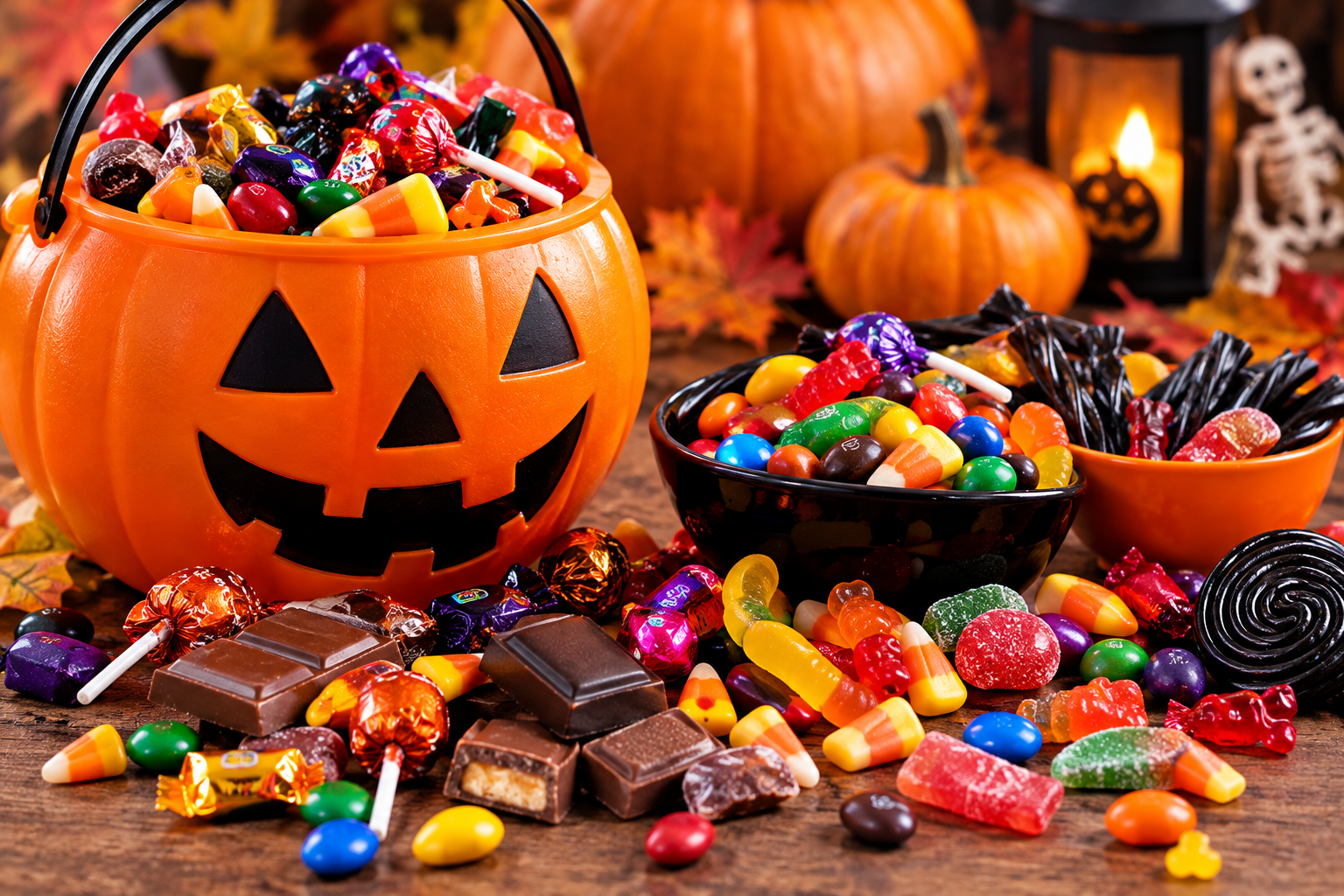
Chocolate, black liquorice, caffeine and sugar-free sweets may pose risks for some people with specific medical conditions or prescriptions. Experts recommend checking ingredient labels and asking a pharmacist about potential interactions.
Halloween brings costumes, carved pumpkins and bowls filled with tempting treats. But for people taking certain medications or managing particular health conditions, some sweets deserve extra attention.
The risks depend on the ingredients, the amount consumed and a person’s individual circumstances. Most Halloween candy is safe for most people when eaten in moderation, but a few ingredients can cause problems in specific situations.
Here are five things to keep in mind before reaching for another treat.
1. Chocolate: A potential concern with some antidepressants
Chocolate is a Halloween staple, but people taking monoamine oxidase inhibitors (MAOIs), a class of antidepressants, may need to follow dietary restrictions.
MAOIs affect the breakdown of tyramine, a naturally occurring substance found in certain foods. Consuming large amounts of tyramine while taking these medications can trigger a dangerous rise in blood pressure.
Some chocolate products may contain tyramine, but the amount varies. Chocolate is not automatically unsafe for everyone taking an MAOI, and dietary restrictions depend on the specific medication and the product.
People prescribed an MAOI should follow their prescriber’s dietary guidance rather than assume that all chocolate carries the same risk.
2. Caffeine: It can add to stimulant effects
Chocolate contains caffeine, although generally much less than coffee or energy drinks.
For people taking stimulant medications for attention-deficit/hyperactivity disorder (ADHD), combining caffeine from several sources may increase side effects such as restlessness, difficulty sleeping, anxiety or a racing heartbeat.
Caffeine can also temporarily raise blood pressure and heart rate in some people. Those with heart conditions, anxiety or medication-related side effects may need to pay closer attention to their total intake.
The amount in chocolate varies by type and serving size, with dark chocolate generally containing more caffeine than milk chocolate. Coffee, tea, energy drinks and some soft drinks can add considerably to the daily total.
Rather than assuming chocolate is incompatible with a particular prescription, check the medication information and ask a pharmacist if you are unsure.
3. Black liquorice: A risk for blood pressure and heart health
Black liquorice contains glycyrrhizin, a compound that can affect the body’s fluid balance and lower potassium levels.
Consuming substantial amounts, particularly over time, may contribute to high blood pressure, abnormal heart rhythms and other serious complications. The risks may be greater for people with hypertension, heart disease or kidney disease, as well as those taking certain medications.
The U.S. National Center for Complementary and Integrative Health warns that liquorice can cause serious adverse effects, especially when consumed in large amounts or by people with certain underlying conditions.
Not every liquorice-flavoured sweet contains real liquorice root. Check the ingredient list if you need to avoid glycyrrhizin, and consult your healthcare provider about any concerns involving medication.
4. Sugar-free sweets: Check for aspartame if you have PKU
Sugar-free candy may be an option for people trying to reduce their sugar intake, but it is not suitable for everyone.
Some products contain aspartame, a low-calorie sweetener that breaks down into phenylalanine. People with phenylketonuria (PKU), a rare inherited disorder, cannot properly metabolize phenylalanine and must carefully control their intake.
In the United States, foods containing aspartame must carry a warning that they contain phenylalanine.
The U.S. Food and Drug Administration considers approved sweeteners safe for the general population under their authorized conditions of use, but people with PKU should avoid or restrict aspartame as directed by their healthcare team.
There is not sufficient evidence to conclude that aspartame in ordinary candy generally causes dangerous interactions with MAOI antidepressants. The established concern highlighted here is its phenylalanine content for people with PKU.
5. Artificial food colourings: Possible reactions in sensitive individuals
Brightly coloured Halloween sweets may contain synthetic food dyes, including Red 40, Yellow 5 and Blue 1.
Some people can experience sensitivity reactions to particular food ingredients or colour additives. Symptoms may include itching or hives, although true allergic reactions to approved food dyes are uncommon.
Food dyes do not simply cancel out the effects of antihistamines. However, if someone experiences a reaction to an ingredient, medication may not prevent every symptom or eliminate the need for medical assessment.
Some research has also examined links between certain artificial food colours and increased hyperactivity in some children, but findings do not mean that every child will react.
People with a known sensitivity should check ingredient labels and follow advice from their healthcare professional.
How to Enjoy Halloween Treats More Safely
A few simple precautions can help make Halloween more enjoyable:
- Read ingredient labels. Pay attention to sweeteners, food dyes and real liquorice.
- Know your medication. Ask a pharmacist whether your prescription has relevant food interactions.
- Watch your caffeine intake. Count chocolate alongside coffee, tea and energy drinks.
- Follow medical dietary advice. People taking MAOIs or living with PKU may need specific precautions.
- Seek urgent care for severe symptoms. Sudden severe headache, chest pain, difficulty breathing or signs of a serious allergic reaction require immediate medical attention.
Halloween treats do not need to be frightening. For most people, moderation is enough—but if you take prescription medication or have a medical condition, checking the ingredients and asking a pharmacist can help you celebrate with greater confidence.