Thousands of workers and students take to the streets across Italy, with clashes reported in Turin, Genoa and Naples. Protesters are demanding higher wages, better public services and an end to increased military spending.
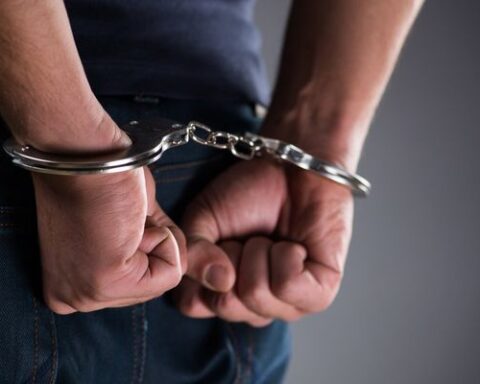
Italy was hit by a wave of nationwide protests and a 24-hour general strike on Friday, October 30, as thousands of workers, students and trade union members took to the streets in major cities. Demonstrations escalated into clashes with police, roadblocks and incidents of vandalism.
In Turin, police used tear gas and water cannons to disperse demonstrators, while in Genoa, protesters set tires on fire near the entrance to the port, sending thick clouds of smoke into the air.
Tensions also rose in Naples, where demonstrators marched toward the city’s central railway station. Police officers and Carabinieri surrounded the main entrance to prevent protesters from blocking access. In Bologna, students blocked the entrances to several high schools, disrupting classes.
The demonstrations were part of a nationwide mobilization called by the USB trade union, which organized a 24-hour general strike involving public- and private-sector employees, high school students, university students and union representatives.
Clashes and Disruptions Across Italian Cities
In Turin, clashes broke out near the Prefecture after demonstrators approached police lines, throwing eggs and smoke bombs. Officers responded with tear gas and water cannons.
In a separate incident, protesters overturned two organic waste bins outside the municipal building.
In Genoa, demonstrators blocked the port entrance by placing and burning tires. In Padua, protesters set fire to a photograph of Education Minister Giuseppe Valditara.
In Naples, students burned an image depicting Prime Minister Giorgia Meloni and University Minister Anna Maria Bernini before continuing their march toward the central railway station, where police deployed to prevent a blockade.
More Than 100,000 Protesters Reported in Milan
In Milan, European Parliament member Ilaria Salis joined student demonstrations, voicing opposition to the rising cost of living and government policies on rearmament.
According to the USB union, more than 100,000 people participated in demonstrations in Milan alone. Organizers estimated that approximately two million people took part in protests across Italy, although these figures have not been independently verified.
In Rome, dozens of young demonstrators gathered near Termini railway station carrying anti-war and anti-rearmament banners. In Trieste, approximately 500 people protested near the port.
What Are the Protesters Demanding?
Demonstrators are calling for wage increases in line with inflation, improved living conditions and greater investment in education, healthcare and public services.
They are also opposing increased military spending and government policies aimed at expanding Italy’s defense capabilities.
The strike affected the healthcare sector as well, with medical staff joining the walkout during Friday shifts. However, emergency medical assistance and legally required minimum services continued to operate.
Government Opposition to the Strike
Ahead of the nationwide mobilization, Transport Minister Matteo Salvini called for the strike to be postponed, arguing that it coincided with the All Saints’ Day and All Souls’ Day holiday period.
The USB union rejected the request, describing the proposed postponement as unlawful and insisting that the 24-hour general strike would go ahead as planned.